Samsung Consumer Memory Prices Surge As Enterprise Demand Squeezes Supply
 April Ossington
27 Jan 2026
April Ossington
27 Jan 2026
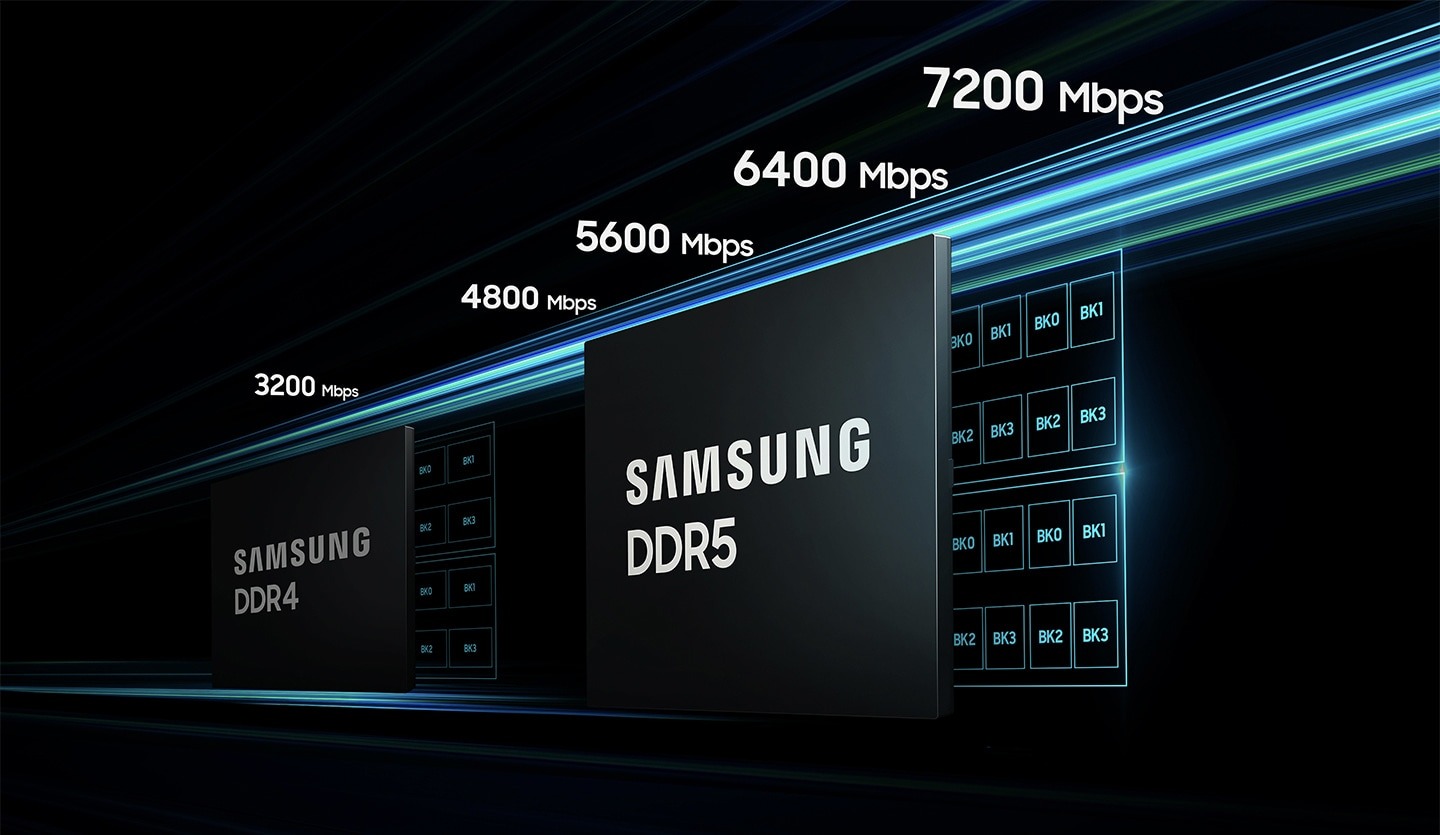
Prices for Samsung’s consumer-focused memory products have jumped sharply in South Korea, with some DRAM modules and solid-state drives now costing two to three times more than they did just a couple of months ago.
Industry sources say the spike is being driven by Samsung shifting a large share of its production capacity towards enterprise-grade memory, where demand is booming, particularly from data centres and artificial intelligence workloads. That move has left fewer chips available for consumer products, creating shortages across retail and distribution channels.
One example highlighted by distributors is Samsung’s Gen 5 DDR5 16GB-5600 desktop memory. In late January, the module was selling for more than 400,000 won, which converts to roughly $A450. In November, the same product was widely available for around 150,000 won, or about $A170. Distributors report they can currently ship only limited quantities, often fewer than ten units at a time, and are unable to fulfil all incoming orders.
Samsung relies on third-party distributors in South Korea to sell its consumer DRAM, including companies such as Mirai Semiconductors and Weditz. Those distributors say they are paying higher wholesale prices to Samsung, costs that are now being passed directly on to customers.
The same pattern is emerging in consumer SSDs and NAND flash products. Samsung’s portable T7 1TB SSD, which sold for about 140,000 won, or roughly $A160, in November, is now priced above 280,000 won, close to $A320. Distributors say bulk purchases of the 1TB and 2TB versions are effectively unavailable due to limited stock.
Larger internal drives have also seen steep rises. The M.2 NVMe 9100 Pro 2TB SSD has climbed from the high-300,000 won range, about $A430, to around 600,000 won, or roughly $A680. Industry contacts expect further increases if supply remains tight.
The underlying driver is Samsung’s prioritisation of enterprise memory, which typically sells for more than 40 per cent above consumer equivalents. These products require stricter reliability standards, additional components, and longer validation cycles, making them both more complex and more profitable. At the same time, Samsung is reportedly facing constraints in sourcing enough components to expand production across all segments.
For consumers, the result is a market where once-routine upgrades are becoming significantly more expensive, with little sign of relief while enterprise and AI-related demand continues to dominate Samsung’s manufacturing priorities.