Google Under Fire For Clearing 250,000 Trees To Build AI Data Centres
 Dominic Bayley
27 Oct 2026
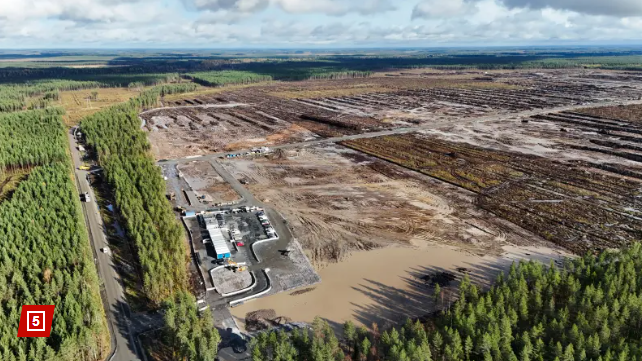
Google is facing fierce criticism after reportedly clearing around 250,000 trees to make way for new artificial intelligence data centres before completing mandatory environmental assessments.
The technology giant is accused of stripping approximately 816 acres of forest in northern Finland, leaving behind vast areas of exposed earth, muddy tracks and damaged natural habitats.
According to The Guardian, the clearing is linked to Google’s US$15 billion investment in Finnish AI infrastructure, announced in September, which includes major developments near the towns of Muhos and Kajaani.
However, Finnish environmental authorities have intervened, ordering preparatory work at both sites to stop amid concerns that the company began extensive land clearing before completing the required Environmental Impact Assessment (EIA) process.
The Finnish Licensing and Supervision Agency said significant work had already been undertaken, including tree removal, topsoil stripping, construction of access roads and storage areas, and changes to drainage systems.
Officials argue that these activities can substantially alter the surrounding environment and should be assessed before major development proceeds.
The agency instructed Google’s project subsidiary, Tuike Finland Oy, to halt preparatory activities by October 23 while authorities examined the environmental implications.
The scale of the clearing has sparked anger among residents and conservation groups, who fear the developments could permanently damage local ecosystems.
Some residents have reported wildlife moving away from disturbed forest areas, with wolves allegedly appearing closer to nearby villages in search of food.
Local resident Anni Ranta told The Guardian that animals had fled their natural habitats, forcing predators to venture closer to populated areas.
There are also concerns about the impact on nearby waterways, with reports that streams have turned brown following the removal of vegetation and disturbance of soil.
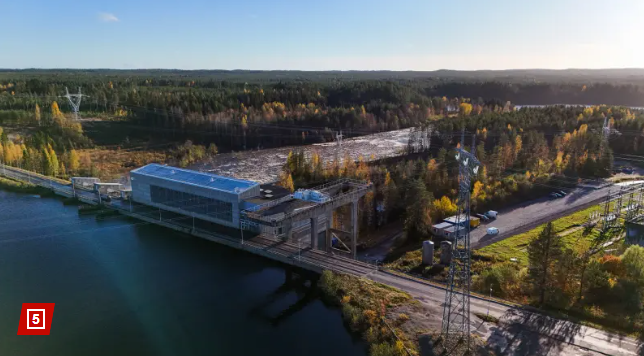
The affected waterways feed into the Oulujoki River system, raising fears that sediment runoff could damage aquatic ecosystems.
Residents have also questioned the potential noise generated by the data centres, particularly given the area’s rocky terrain.
Conservation groups have been highly critical of Google’s approach, accusing the company of moving ahead with construction preparations before the environmental approval process was completed.
Hanna Halmeenpää, chair of the Finnish Association for Nature Conservation, described the clearing as an example of corporate arrogance, questioning why such extensive work had been allowed to proceed.
Google has defended its actions, saying it believed it had the necessary legal approvals to begin removing trees.
The company’s Finnish country manager, Antti Järvinen, has since apologised for the environmental damage and said Google would take steps to protect surrounding water systems.
The technology giant has also outlined plans to replant trees across approximately 321 acres of land as part of its restoration efforts.
The controversy comes as technology companies accelerate investment in massive data centres to support increasingly sophisticated AI systems.
These facilities require substantial amounts of electricity, cooling infrastructure and land, prompting growing concerns about their environmental footprint.
Google, Microsoft, Amazon and Meta are among the companies spending billions expanding their AI computing capacity, often in regions offering relatively inexpensive electricity and cooler climates.
However, environmental groups argue that the speed of development is placing increasing pressure on natural habitats and existing planning regulations.
The situation in Finland also reflects broader concerns about the rapid growth of AI infrastructure.
In the United States, New York Governor Kathy Hochul introduced a temporary pause on permits for certain large-scale AI data centres in July, citing concerns about the impact of energy-intensive facilities on the state’s electricity network.
For Google, the Finnish developments represent an important part of its European AI expansion strategy, but the environmental dispute has raised questions about how quickly such projects should be allowed to proceed.
With work now suspended at the affected sites, Finnish authorities are expected to examine the environmental consequences before determining how the developments can move forward.