Samsung Australia Calls Major Creative and Media Review Amid Market Pressure
 David Richards
06 Feb 2026
David Richards
06 Feb 2026
Samsung Australia has launched a review of its creative and media arrangements, putting its long-standing relationship with Clemenger Group under question and marking the latest shift in the electronics giant’s agency strategy.
The move follows a series of agency changes, including a brief stint with WPP’s Ogilvy & Mather PR, a subsequent move to Omnicom for PR services and an earlier exit from social agency We Are Social.
Mumbrella reports the South Korean company is in the early stages of reassessing its creative and media briefs, which were consolidated under Clemenger via CHE Proximity in 2020.
The review could result in Samsung dropping its current creative and media partner.
The decision comes as Samsung faces intensifying pressure in Australia’s consumer electronics market.
While its mobile division continues to deliver growth, other categories — particularly TVs and home appliances — are under sustained attack from aggressive Chinese competitors such as TCL, Hisense, Haier and Fisher & Paykel, alongside renewed competition from European brands in the affordable premium segment.
According to its most recent financial filings, Samsung Electronics Australia reported revenue of $2.9 billion in 2025, up from $2.87 billion the year prior. Profit rose sharply from $51.1 million to $63.6 million, with B2B sales identified as a major contributor.
Advertising and marketing expenditure totalled $184 million, though Samsung does not disclose how much of that spend is allocated to retailer marketing versus external media and agency partners.
The review follows internal leadership changes, including the departure of Vice President Jeremy Senior last year after a difficult 2023 trading period.
Samsung’s advertising account remains one of the largest in the consumer electronics and appliance category, spanning brand advertising, performance marketing and direct-to-consumer activity.
The move comes despite recent creative success.
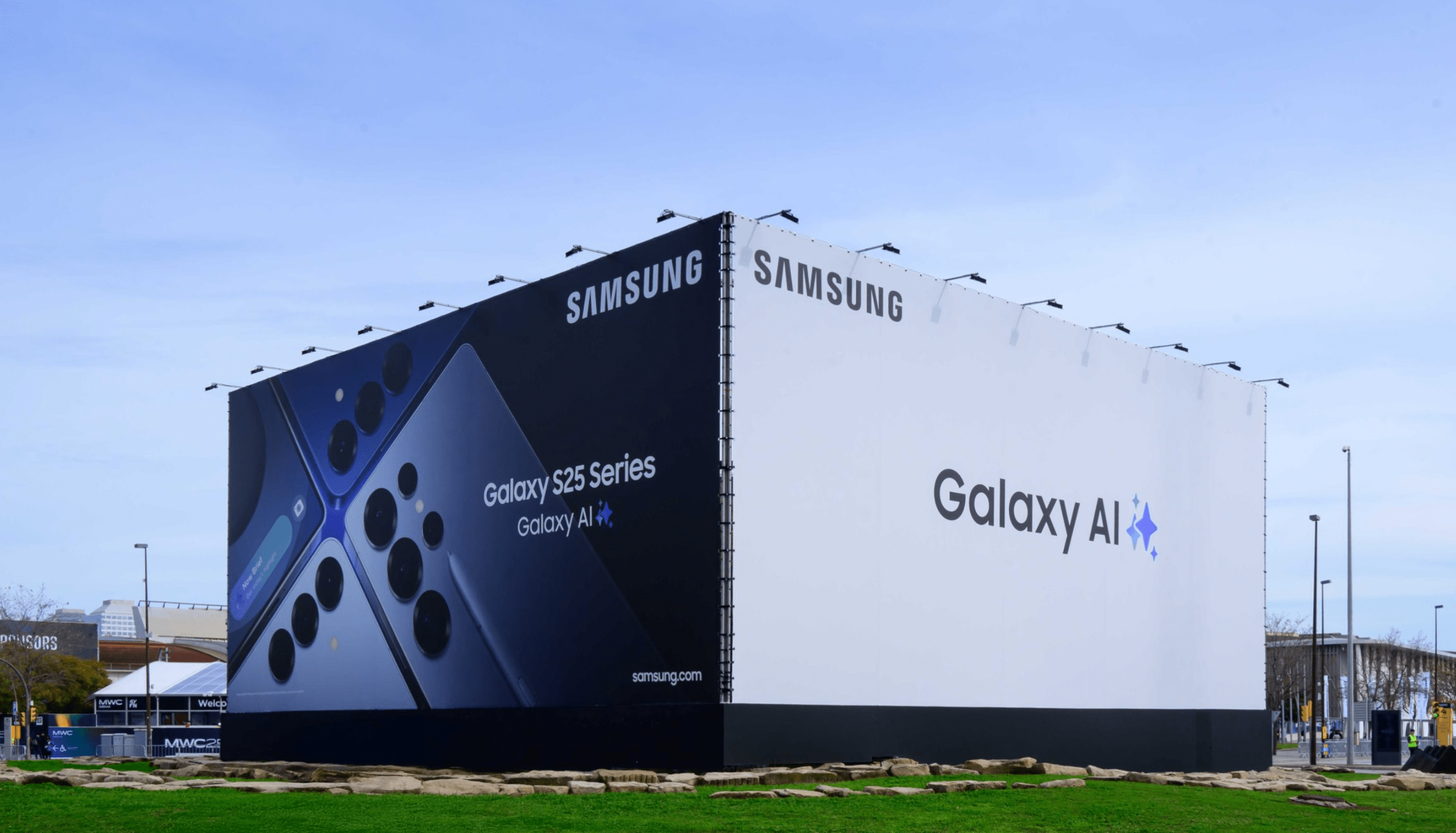
Clemenger won the Media Federation of Australia’s Grand Prix award for its “Clash of Commuters” campaign promoting Samsung’s flagship Galaxy S25 handset, with the next-generation S26 range launching this month.
Previously, Samsung worked with Publicis’ Leo Burnett (now Leo Australia).
ChannelNews understands Samsung is seeking a “refresh” of its digital marketing strategy as it expands its direct-to-consumer sales push, particularly around peak buying periods.
The company is also reviewing the scale of its marketing spend through retail partners.
The timing coincides with growing tension between brands, retailers and media owners.
This week JB Hi-Fi announced a partnership with Retail Media Networks, which already works with Bunnings, Woolworths and Coles.
Several major advertisers have told ChannelNews the expansion of retail media is “of concern”, given the millions they already spend through retailers.
Samsung ran a major national campaign last year for its Galaxy Z Fold7, Flip7 and Watch8 lineup, spanning digital, social, TV, BVOD, out-of-home, creators and PR.
The brand was also named 2025 Advertiser of the Year at Spikes Asia, winning awards for campaigns including “Flipvertising” and “Try Galaxy Fold”.
The company has also invested heavily in experiential marketing, partnering with Westfield Sydney and Scentre Group BrandSpace to create immersive brand activations in shopping centres — a shift that challenges retailers seeking a greater share of marketing budgets.
Analysis by ChannelNews indicates Samsung is losing share in key categories such as TVs to Hisense and TCL, with margins under pressure as competition intensifies. The review is seen as part of a broader reset as Samsung rolls out multiple products unveiled at CES 2026.
While Samsung remains one of the strongest brands in Australia’s consumer electronics market, its strategy is evolving.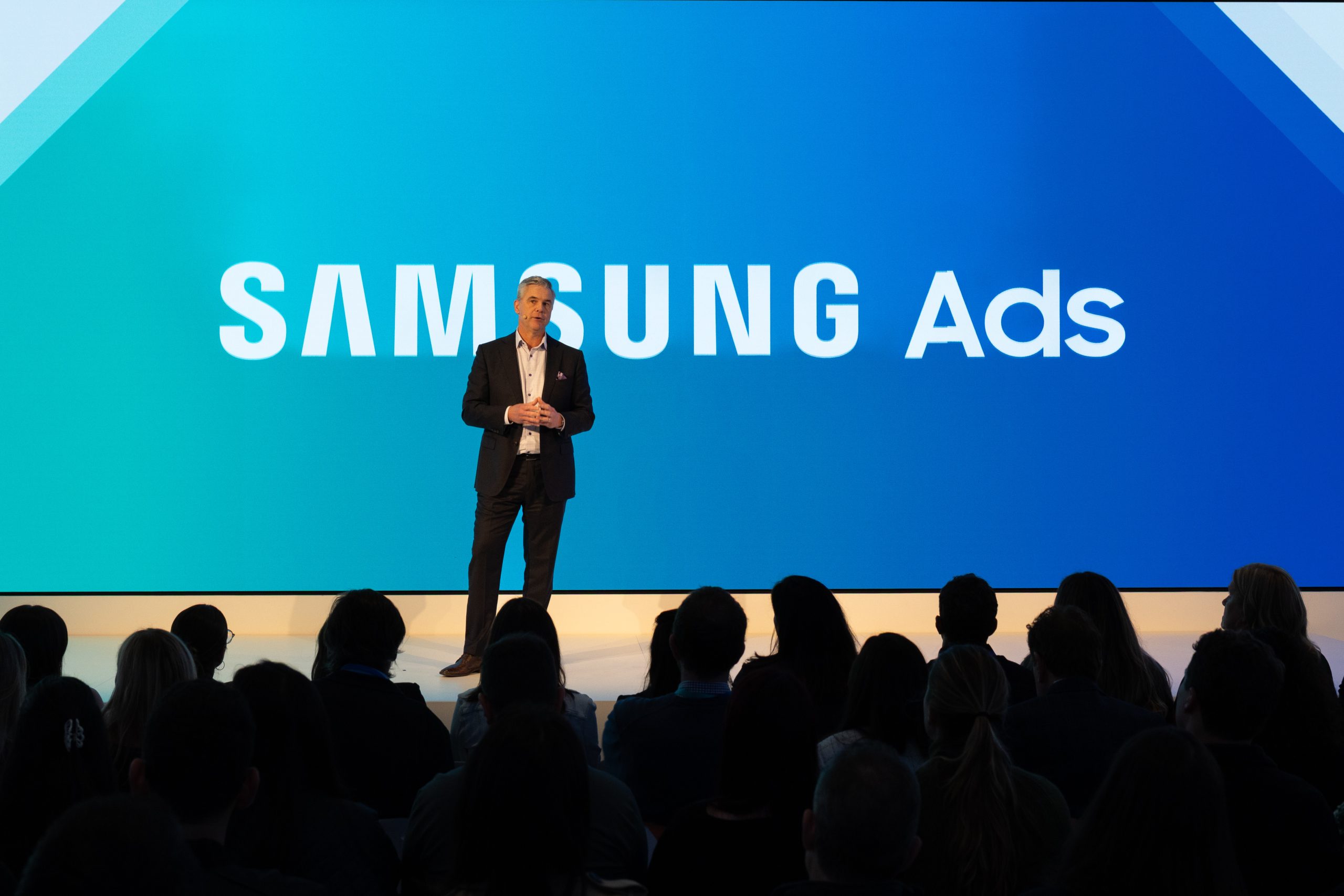
Like LG and Hisense, Samsung is increasingly leveraging its own owned-media ecosystem, including its Tizen-powered smart TV network and Samsung Ads platform.
Samsung Ads, launched locally in 2021, uses first-party smart TV data and Automated Content Recognition (ACR) technology to sell targeted advertising across linear TV, connected TV and digital platforms.
The Australian operation has grown to around 40 staff, and while local revenue is undisclosed, executives have indicated growth has broadly tracked headcount expansion.
Retailers are now using Samsung Ads to target customers more precisely, further eroding traditional broadcast TV’s dominance.
One senior media executive told ChannelNews this week that the rise of Samsung Ads and retail media networks is “destructive to traditional media”, warning the shift risks undermining long-form brand storytelling in favour of transactional, data-driven advertising.