Samsung Admits Galaxy S26 Ultra Doesn’t Have 10-Bit Display Despite Earlier Claims
 Joe Gallop
05 Mar 2026
Joe Gallop
05 Mar 2026

Samsung has cleared up confusion surrounding the display technology in its newly released Galaxy S26 smartphone lineup, confirming that all three models ship with 8-bit panels – not the 10-bit displays some early briefings suggested.
Ahead of the Galaxy S26 launch, Samsung representatives indicated that the flagship Galaxy S26 Ultra would feature a 10-bit display, marking a step up from the 8-bit panel used in the Galaxy S25 Ultra.
But the company has since corrected that information, confirming the Ultra, along with the Galaxy S26 and S26+, all use 8-bit displays.
The clarification came after discrepancies emerged between comments made during media briefings and the specifications listed on Samsung’s official product pages.
For consumers who pre-ordered the device expecting a 10-bit panel, the distinction may be significant.
A true 10-bit display can reproduce up to 1.07 billion colours, compared with roughly 16.7 million on an 8-bit panel. In practice, the higher colour depth can deliver smoother gradients, improved colour accuracy and reduced colour banding.
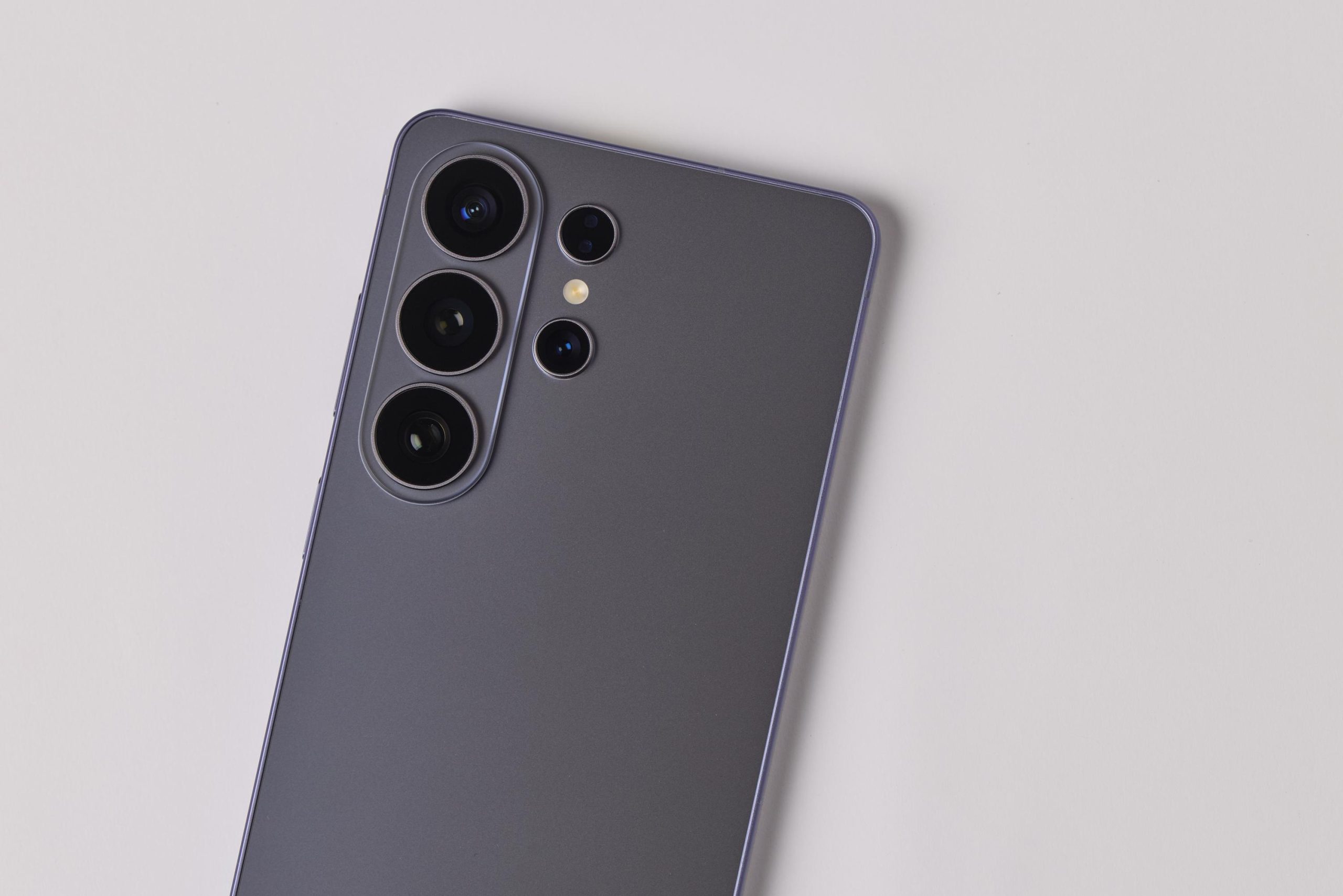
Despite the hardware remaining 8-bit, some early hands-on reports suggested the Galaxy S26 Ultra exhibits less visible banding than its predecessor.
Some believe Samsung may be relying on a technique known as frame rate control (FRC) to simulate 10-bit output.
Often described as “8-bit + FRC”, the method rapidly alternates pixel shades to mimic the smoother colour transitions of a native 10-bit panel. The approach is widely used in high-end displays but is not considered equivalent to true 10-bit hardware.
The situation has raised questions about the messaging around the device’s display capabilities, particularly given that the higher colour depth was mentioned during pre-launch discussions with media outlets.
Samsung has not publicly detailed how its display processing works on the Galaxy S26 series, but the company maintains that the devices support up to 16 million colours – consistent with an 8-bit panel.
For buyers, the real-world difference may be subtle, as many improvements in image quality come from software processing and panel calibration.
But the clarification serves as a reminder that even flagship smartphone specifications can sometimes become muddled during launch briefings.