Roomba Maker IRobot Files For Bankruptcy As Chinese Rivals Reshape Robot Vacuum Market
 April Ossington
19 Dec 2025
April Ossington
19 Dec 2025

iRobot, the US company best known for creating the Roomba robot vacuum cleaner, has entered bankruptcy protection after years of declining sales and intensifying competition from Chinese manufacturers. Chief executive Gary Cohen has acknowledged that the company failed to keep pace with rivals that moved faster on price, features and technology.
The company confirmed it has filed for Chapter 11 bankruptcy in the United States. Subject to court approval, ownership will transfer to China-based Picea Robotics, iRobot’s main contract manufacturer and a major creditor. The restructuring process is expected to conclude by February, after which iRobot will continue operating as a private company under Picea’s ownership.
Cohen, who took over as chief executive in early 2024 following the departure of co-founder Colin Angle, said the filing was unavoidable after the collapse of the company’s last major rescue attempt. In 2022, Amazon agreed to buy iRobot in a deal valued at about $A2.55 billion, including assumed debt. That acquisition ultimately failed in January 2024 after competition regulators in the US and Europe raised concerns about Amazon’s potential market power.

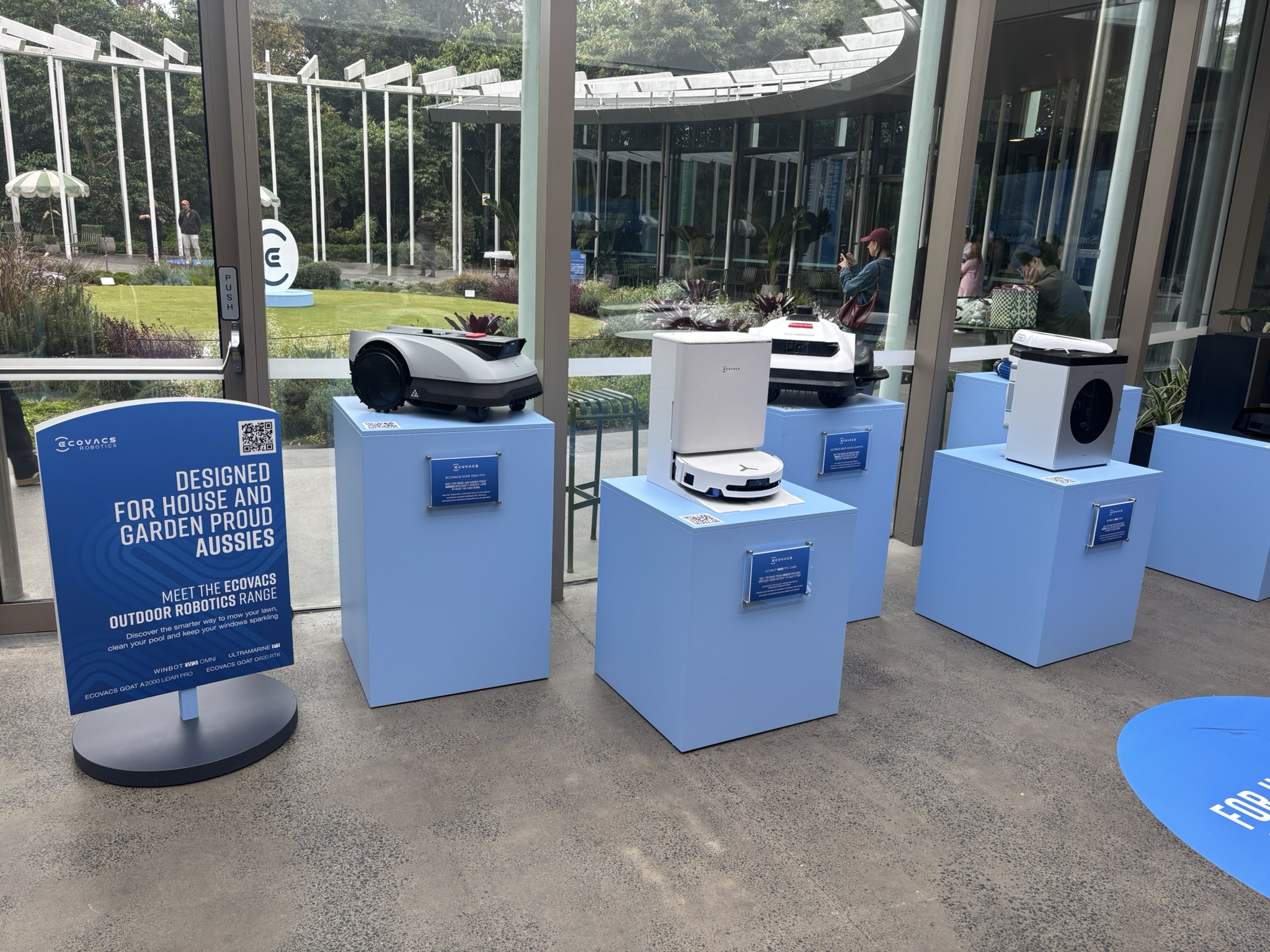
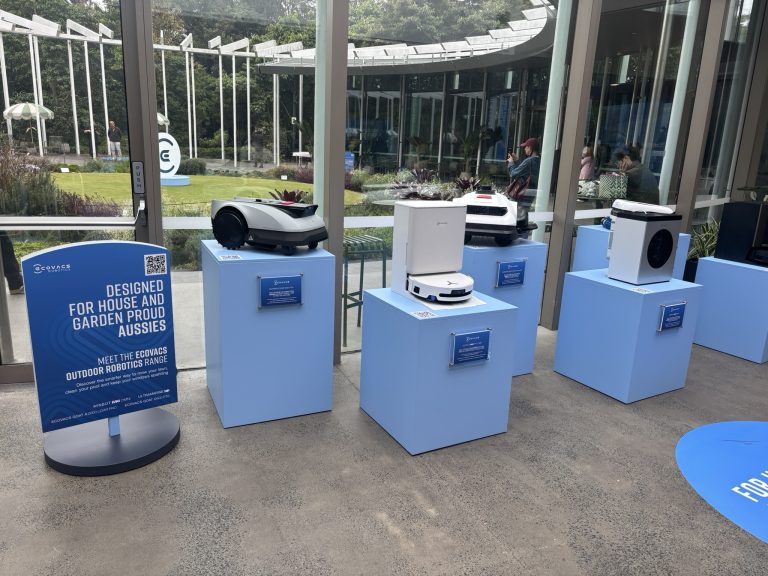
While iRobot spent more than a year pursuing the Amazon deal, competitors surged ahead. Chinese brands such as Roborock and Ecovacs Robotics introduced lower-priced machines with advanced sensors, faster mapping and combined vacuum-and-mop functions. Cohen admitted the company suffered from several years of slow innovation at a time when the market was evolving rapidly.
Once the dominant force in the category it created, iRobot controlled around 50 per cent of the global robot vacuum market in 2017, according to IDC. That share has since fallen to about 7 per cent in the January to September period this year. Sales have declined steadily since peaking in 2021, and the company has posted net losses for three consecutive years through 2024.
Despite the financial setback, Cohen insists the bankruptcy marks a reset rather than an ending. He has described the process as a way to preserve the business, protect around 500 jobs and keep the Roomba brand alive. Headquarters, engineering, software development and marketing functions will remain in the US, and the company recently signed a long-term lease for its Boston base.
Under Picea’s ownership, iRobot has already begun to change direction. Earlier this year, the company launched eight new robot models, its largest line-up to date, many of which include features customers had long been asking for, such as lidar navigation and combo vacuum-mop designs. Cohen credits the partnership with helping close a four-year technology gap in roughly 12 months, even if the first wave of products closely resembles mid-range offerings from other Chinese brands.
Some of the newer models include distinctive touches, such as a dust-compacting bin that reduces the need for an auto-empty dock and a retractable cover for the roller mop on premium units. Cohen describes the development process as a partnership, with Picea contributing speed and manufacturing expertise while iRobot works to reassert its own design and software strengths.
A major factor behind iRobot’s earlier struggles was its long commitment to camera-based navigation rather than lidar. While the company invested heavily in machine learning and vision systems, it struggled to deliver consistent results at scale. Cohen said customers increasingly expect robots to map homes in minutes rather than hours, forcing a shift in strategy.
Looking ahead, iRobot plans to maintain a strong focus on Japan, where the brand remains profitable and commands around 60 per cent market share, according to Euromonitor International. Japan accounted for 17 per cent of the company’s global sales in the third quarter, making it iRobot’s second-largest market after the US. New products are scheduled to launch there in spring, with no job cuts planned.
Cohen also sought to reassure customers about data security following the change in ownership. He said iRobot is not altering its data storage or privacy policies, with cloud services and app development continuing to be based in the United States.
For investors, the outcome is less positive. iRobot will be delisted from the Nasdaq as part of the restructuring, wiping out the value of publicly traded shares. Cohen, himself a shareholder, acknowledged the disappointment but said the decision was made to give the company a chance at long-term survival.
Whether iRobot can reclaim its former status remains uncertain. The brand still carries significant recognition, and its partnership with Picea gives it access to the speed and efficiency that define today’s market leaders. If the company can successfully blend that with its own history of innovation, it may yet carve out a meaningful future in an increasingly crowded field.