Rocket Failure Wipes Out 40 Amazon Satellites, Putting NBN’s Broadband Plan At Risk
 David Richards
17 Nov 2026

The NBN’s plan to replace its ageing Sky Muster satellites with Amazon’s Leo network has been thrown into doubt after a United Launch Alliance Vulcan rocket failed shortly after liftoff, destroying 40 Amazon Leo satellites.
The Vulcan rocket suffered what ULA described as “an anomaly 10 minutes into the flight” after launching from Cape Canaveral and failed to reach orbit, taking the entire Amazon payload with it.
It is ULA’s first total mission failure since the Boeing (NYSE:BA) and Lockheed Martin (NYSE:LMT) joint venture was formed in 2006, according to GeekWire and Spaceflight Now.
The loss is a direct blow to the Federal Government owned NBN Co, which picked Amazon over Elon Musk’s Starlink and has tied its entire regional satellite strategy to Amazon getting its constellation into space.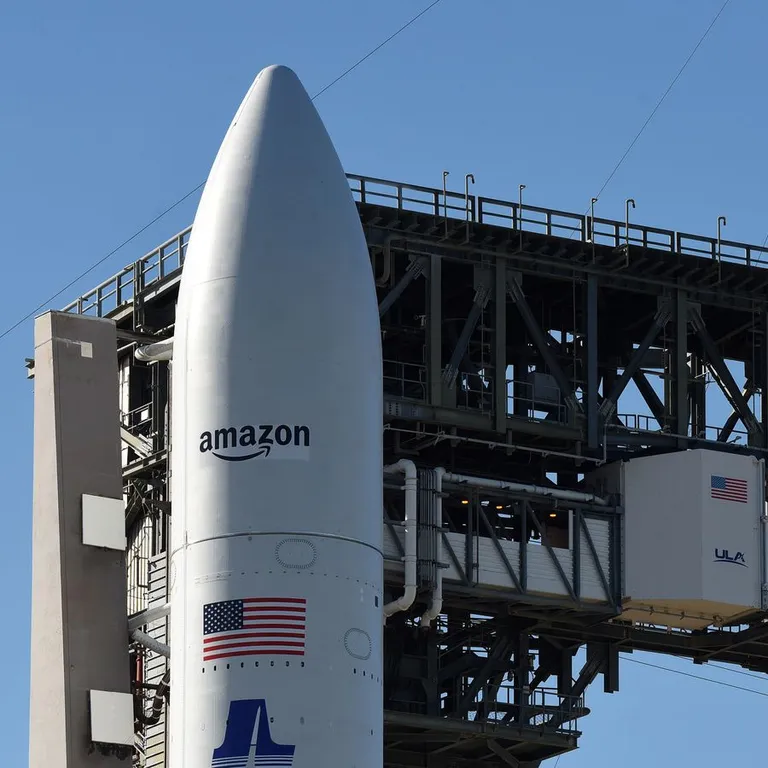
Amazon’s Workhorse Rocket Goes Down
The failed flight was the first of 38 Vulcan launches Amazon has bought, and was meant to be the rocket’s comeback mission.
Vulcan matters to Amazon more than any other launcher. It was scheduled to carry more than 1,500 first-generation Leo satellites, close to half the constellation and more than any other rocket in the program.
Amazon’s director of launch systems has described Vulcan as the program’s “primary workhorse over the next several years.”
A failure investigation is now likely to ground Vulcan again. Amazon had said a second Vulcan mission could follow within weeks of this launch, known as LV-01. That timetable is now uncertain.
Backup Rockets Thin On The Ground
Amazon’s alternatives are limited. Blue Origin’s New Glenn has been grounded since an explosion in May, leaving an Arianespace Ariane 6 launch, scheduled for around 23 November, as the next flight.
Amazon has blamed earlier delays largely on a shortage of rockets, citing slips with Ariane 6, New Glenn and Vulcan Centaur.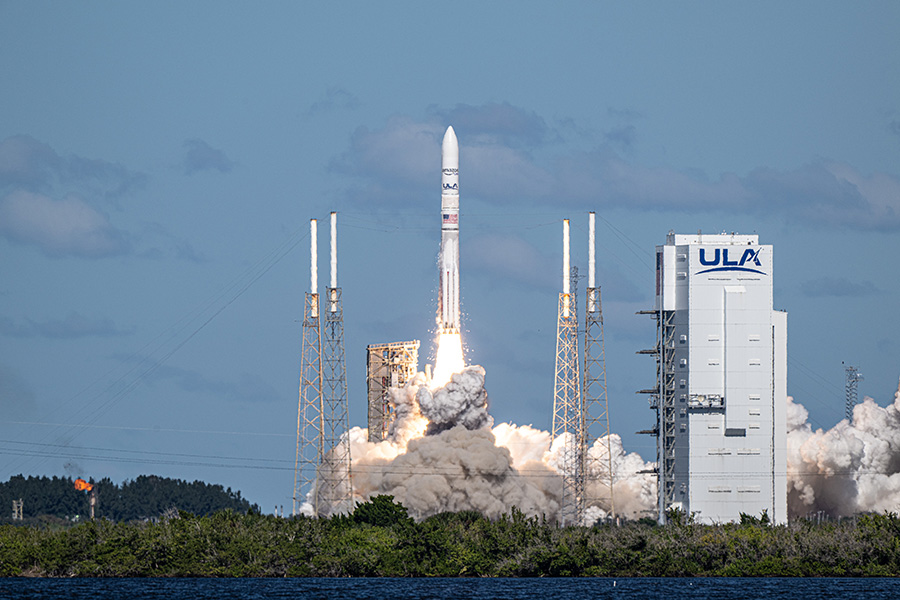
The company is calling the failure a setback rather than a collapse, and says more than 1,000 satellites are built and waiting for launch.
But the pressure is mounting. The US Federal Communications Commission requires Amazon to have all 3,232 first-generation satellites deployed by 30 July 2029.
What It Means For The NBN
NBN Co and Amazon announced an eight-year wholesale agreement in August 2025 covering more than 300,000 premises in NBN’s existing satellite footprint in regional, rural and remote Australia. The service was commissioned to gradually replace the Sky Muster fleet.
The rollout has already slipped once. It was originally expected to launch towards the end of this year and is now planned for mid-2027, with the NBN pointing to Amazon delays.
WhistleOut understands the delay is at least partly because Amazon is running behind schedule. The NBN’s timetable now depends on how many satellites Amazon can get into orbit.
Under current plans, NBN will fold its 12/1 Mbps and 25/5 Mbps Sky Muster tiers into a single 50/10 Mbps Leo offering. Customers on the 100/5 Mbps Sky Muster Plus tier will be offered a faster 100/20 Mbps Leo plan.
Meanwhile, Starlink continues to take regional customers from the NBN.
The NBN does have some breathing room, with Sky Muster still operating while the transition plays out.
NBN management has not yet commented.
Amazon’s satellite network was originally called Project Kuiper and was renamed Amazon Leo in November 2025.