Retail Boss Warns Of Shoplifting Crisis
 Nigel Bowen
27 Aug 2025
Nigel Bowen
27 Aug 2025

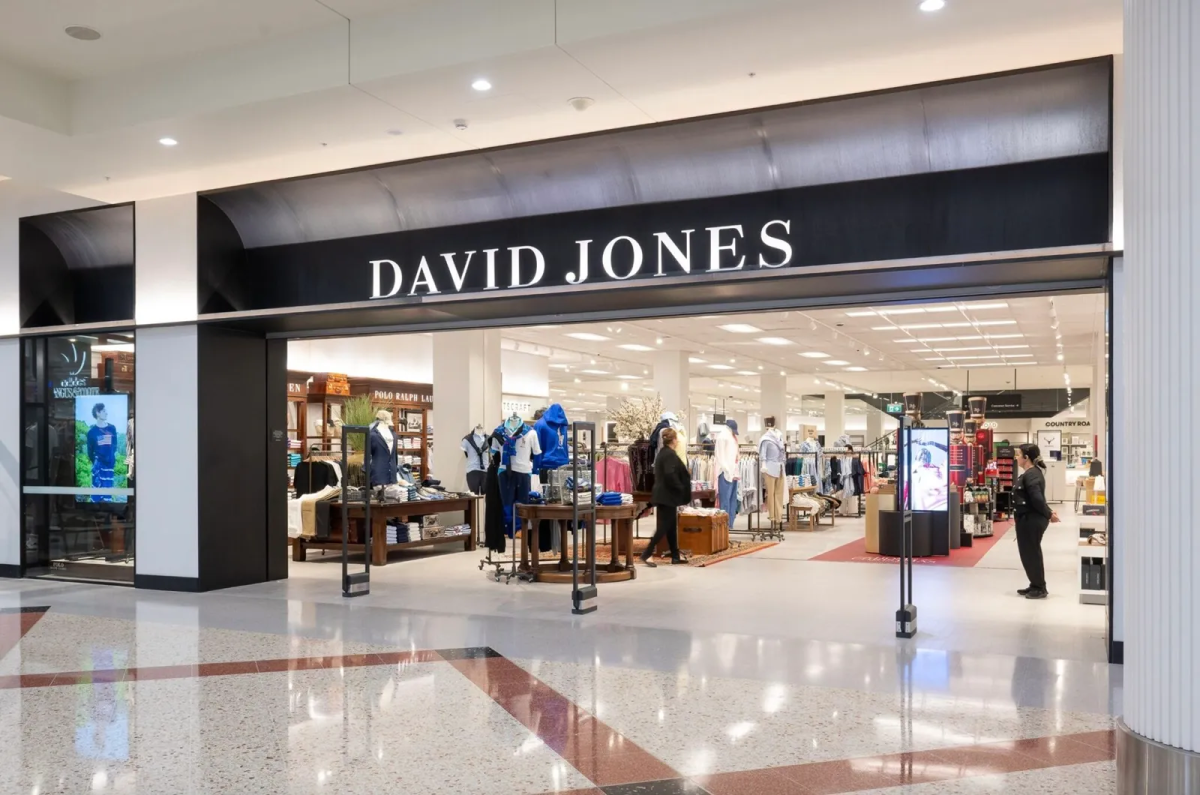
The debate over retail crime has flared again, with the Australian Retail Council warning that theft, intimidation and violence are spiralling into a national crisis.
The Council’s chief executive, Chris Rodwell, has authored an AFR op-ed in an attempt to draw more public attention to an issue that has long concerned retailers.
Channel News reported last week that Victorian shoplifters were partly to blame for Super Retail Group’s weaker profits. The outdoor and auto retailer flagged rising theft as a substantial drag on margins.
Rodwell argues the problem extends well beyond stock losses, citing escalating threats, intimidation and even weapons in stores across the country.
Victoria has become the epicentre of the crime wave, with police recording more than 82,000 retail crime incidents in the past year, a 27.6% jump. Over the same period, there’s also been a 66% surge in weapon-related offences.

Shoplifting in Australia appears to have been professionalised
Organised networks and repeat offenders, rather than occasional teen shoplifters, appear to be driving the rise in store theft.
Data from crime-tracking platform Auror shows that just 10% of offenders were responsible for over 60% of losses last year.
Rodwell is now warning that without decisive action, Australia could see its retail precincts hollowed out in much the same way as has occurred in San Francisco.
After California raised the felony theft threshold to US$950 (A$1,425), shoplifting surged. US retail chains, including Walgreens, Target, Whole Foods, and Nordstrom, eventually closed stores in some of the more crime-ridden San Francisco neighbourhoods.
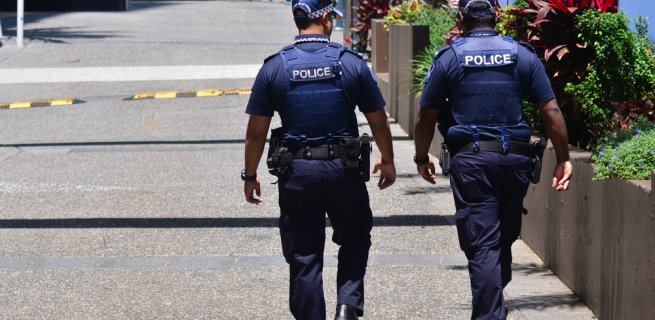
The Australian Retail Council is now calling for stricter penalties, increased visibility in policing, and broader adoption of anti-theft technologies, such as body cameras and facial recognition.
With retail employing 1.4 million Australians, many of them teenagers and young adults, Rodwell pointed to the human cost of theft.
He noted, “One in four retail crime events involves some form of violence, intimidation, threats, or physical or verbal abuse… We owe [staff] better than sending them to work with the expectation they’ll face abuse, threats or worse,” he said.
Store theft is now estimated to cost Australia around $9 billion a year.