Poor Visual Marketing Costs Retail Billions As Consumers Walk Away
 Peter Holmes
29 Jan 2025
Peter Holmes
29 Jan 2025

Worn out fixtures, messy displays and difficult to find products are costing US retailers $125 billion (A$200 billion) annually, according to new research.
A report by GlobalData on behalf of OneDoor – a visual merchandising software company – said a third of consumers had been “frustrated” by not being able to find a product, and that “a customer’s propensity to purchase an item is severely dampened if they have to spend time and effort locating it within the store”.
It also said tatty fixtures reflect “poorly on the quality of products offered and cheapens the shopping experience for the consumer”.
“As well as being a cosmetic issue, damaged fixtures in a store raise questions about product quality and may, in some cases, be a safety concern to customers. Investing in higher quality, hardwearing fixtures in store may bring down upkeep costs long term and help drive sales by contributing to a more positive overall retail experience for the consumer.”
Messy, cluttered and disorganised displays were among the “main points of frustration for shoppers”.
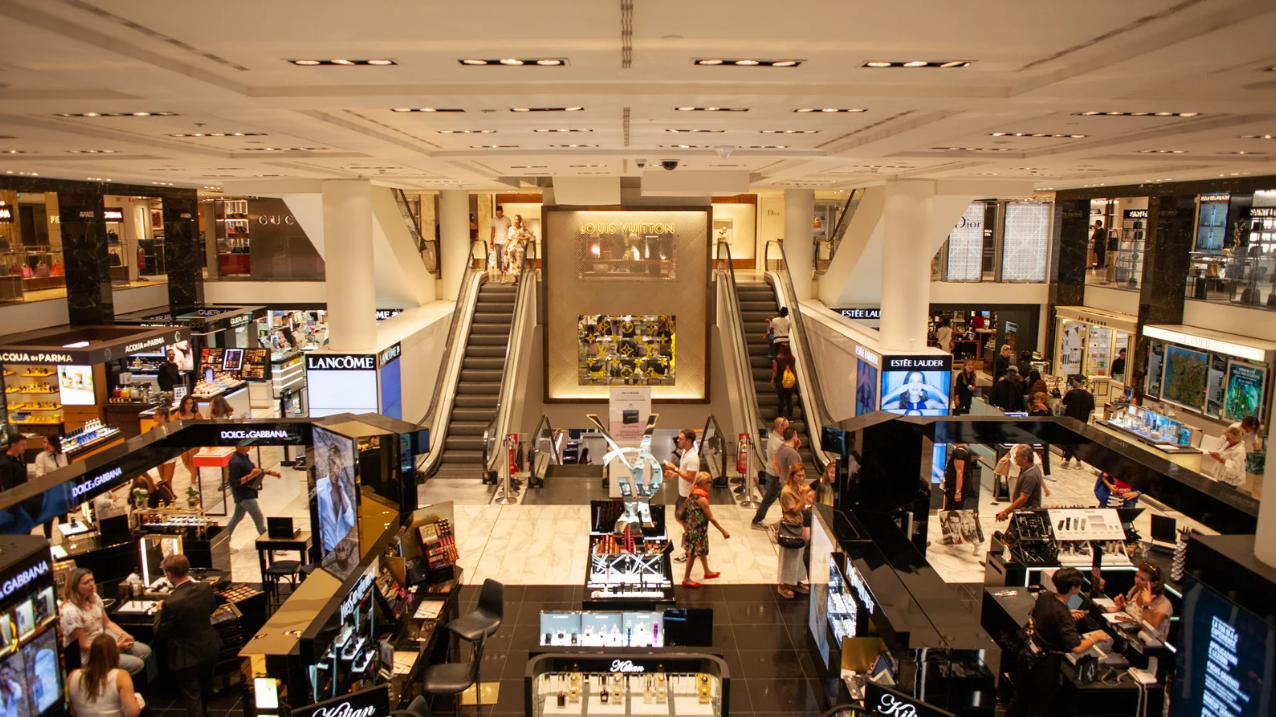
The mid-market had the highest level of losses from poor merchandising in the last year, according to the report, with retailers in this segment losing out on a potential US$54.1 billion (A$86 billion) in sales.
“This segment saw the highest shopper abandonment rates, with over 39 million customers leaving stores due to merchandising challenges.”
Of the discount shoppers who experienced “poor merchandising”, 51.5 percent were likely to return “and, while more tolerant in some areas, particularly where prices are competitive, this group also exhibits lower tolerance for inefficiency in product accessibility”.
The most common frustration for luxury shoppers were cluttered and messy displays.
Younger shoppers, particularly those aged 25-34, were the most likely to leave stores due to poor merchandising, with nearly a quarter (24 percent) having done so in the past year.
“This age group, along with bargain hunters and research shoppers, is particularly sensitive to product visibility and clutter-free environments, as they rely on clear displays to find deals or locate specific products.

“The frustration caused by cluttered and hard-to-navigate stores often leads these shoppers to leave without purchasing or to turn to online alternatives.”
The report said women and shoppers with children were more likely to leave a store “when they encounter disorganised merchandising, further compounding the issue”.
Per the report: “Losses only refer to poor merchandising and not to any other reason for leaving a store or abandoning a sale, such as items being out of stock, a store being closed during operating hours, annoyance with some aspect of customer service, and so forth. Online and non-store sales are excluded. Non-retail, such as automotive sales, foodservice sales and gasoline sales, are also excluded.”