PlayStation Buyers Know They Don’t Own Their Digital Games, Sony Argues in Court
 Emma Wheaton
04 Sep 2026
Emma Wheaton
04 Sep 2026
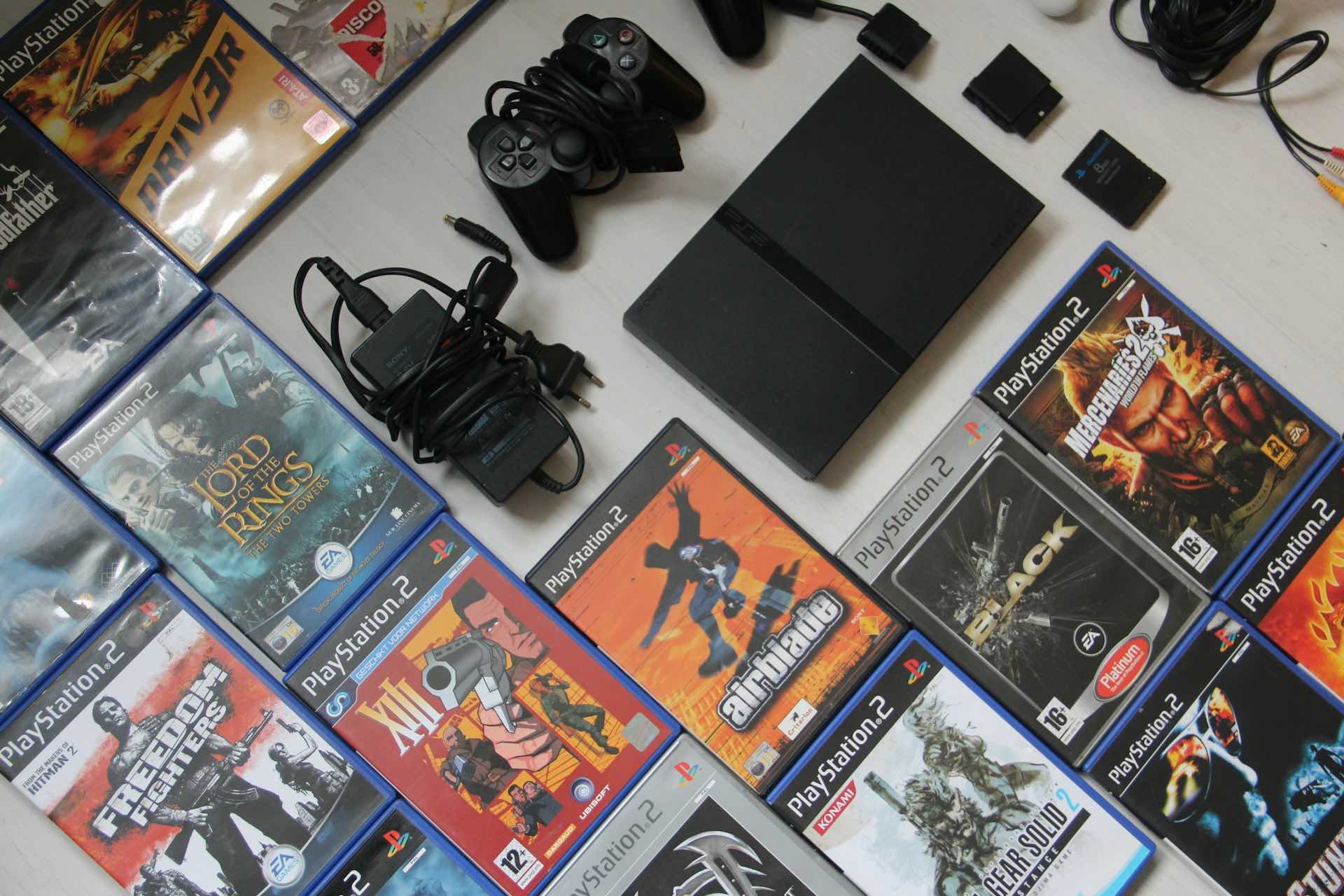
In a class-action lawsuit over digital game ownership, Sony arguing that PlayStation customers understand they are purchasing licenses rather than owning the games themselves.
Sony Interactive Entertainment is facing a class-action lawsuit in California that challenges how the company describes digital game purchases on the PlayStation Store. The plaintiffs argue that Sony does not make it sufficiently clear that customers are buying licenses to use games rather than acquiring ownership of the digital products.
Sony is taking the position that reasonable consumers already understand the distinction.
In a recent court filing, the company argued that its existing terms and licensing agreements make the nature of digital purchases clear. Sony points to language in its Software Product License Agreement stating that software is licensed rather than sold to the customer. The company also argues that the nature of digital distribution itself makes traditional ownership of a game fundamentally different from owning a physical copy.
The argument centres on the question: What does it mean to buy a digital game?
When a customer purchases a physical game disc, they receive a tangible object that can also be resold, traded or kept, independently of the retailer that sold it. A digital purchase works differently, with the game remaining tied to a digital storefront and the customer’s account. The publisher or platform operator retains control over the software and the terms under which it can be accessed.
According to Sony, that distinction should be obvious to consumers.
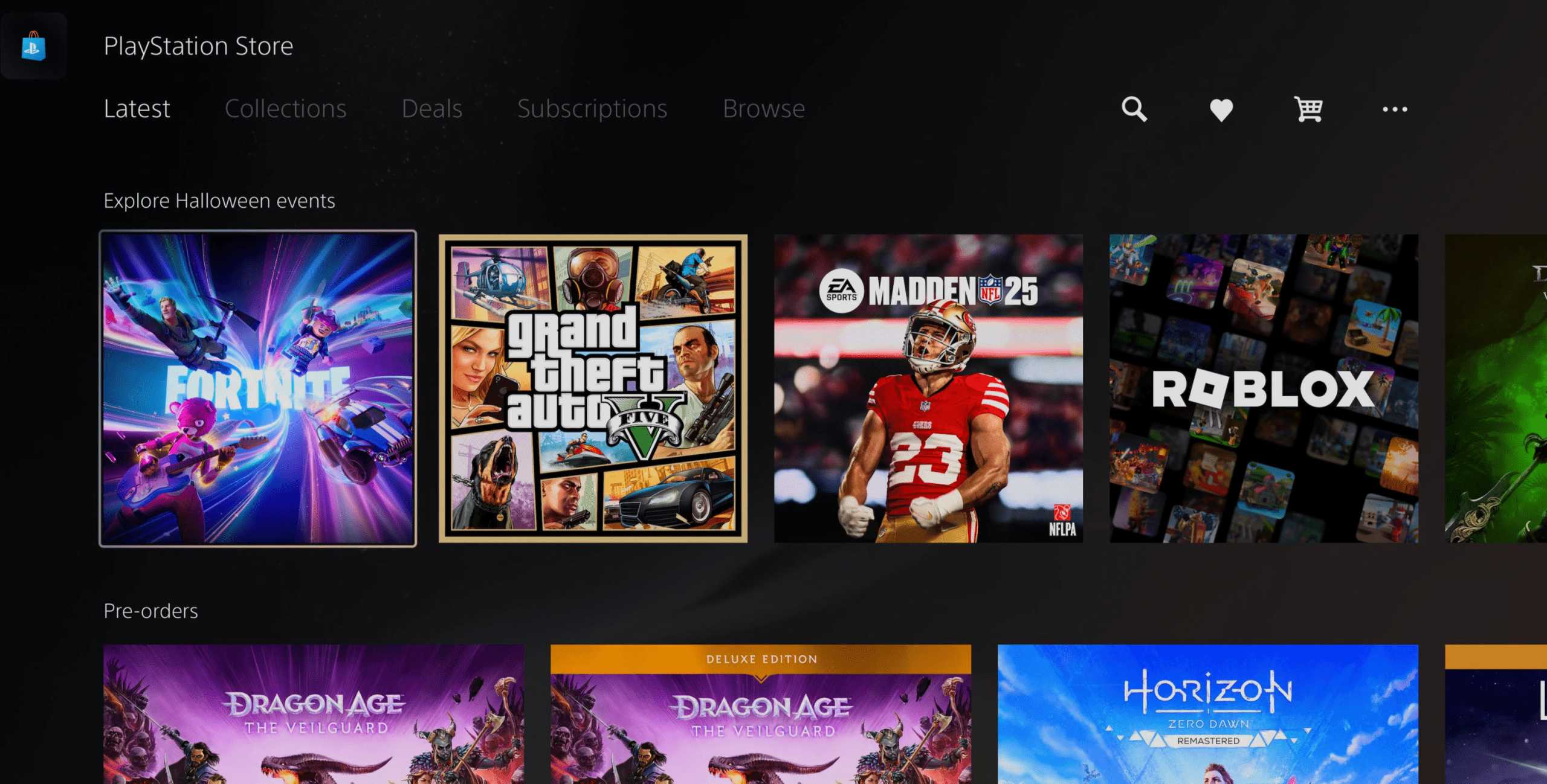
The lawsuit was filed in June by four PlayStation customers who allege that Sony’s use of terms such as “buy” and “purchase” can give consumers the impression that they are acquiring ownership of the games. The plaintiffs argument is that California law requires digital retailers to be more explicit over a transaction and whether it is providing a license rather than ownership.
Sony disputes that consumers are being misled and its lawyers argue that the company’s licensing language, along with the nature of digital distribution, provides sufficient notice.
The dispute comes at an important moment for the games industry. Digital purchases have become the main way for players to acquire games and the ability to access older titles increasingly depends on companies continuing to operate online stores and maintain compatibility with newer hardware.
It’s an issue that looks set to become even more significant for PlayStation customers after Sony announced it will discontinue its physical disc production for PlayStation games as of January 2028.
While new releases will continue to be sold through retailers, they will solely be available in digital formats.
The shift is bringing to the fore a debate over digital ownership. If consumers purchase games that exist only as digital licenses, questions surrounding access, preservation and what happens when a storefront or license disappears could become increasingly important.
For now, Sony’s position is clear. According to them, buying a digital PlayStation game does not mean owning the game itself, and consumers already understand that.
The court will have to decide whether Sony’s disclosures satisfy California’s requirements.
The case could have implications beyond PlayStation as the wider entertainment industry continues to move from physical products toward digital access and the legal distinction between buying something and buying a license to use something is highlighted.