Philips Sharpens OLED Gaming Push With 165Hz, Four HDMI 2.1 Ports And New Gamebar
 April Ossington
14 Sep 2026
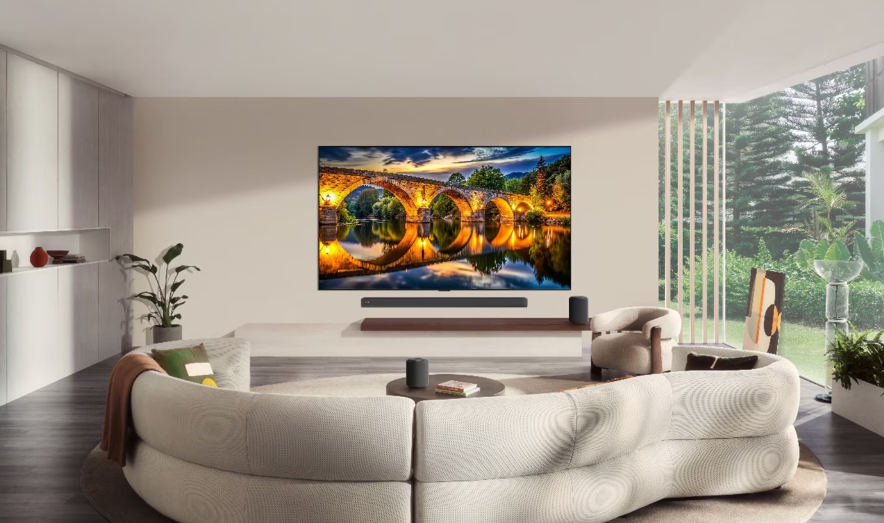
Philips has used IFA 2026 to preview a major upgrade to the gaming features on its latest OLED TVs, adding four full-bandwidth HDMI 2.1 ports, refresh rates of up to 165Hz and a redesigned Gamebar with per-game settings.
The changes bring Philips closer to rivals such as LG and Samsung, which have offered broader HDMI 2.1 support for several years.
Philips’ 2026 OLED range now supports four HDMI 2.1 inputs at 48Gbps, with ALLM and VRR across all four ports. Support also extends to AMD FreeSync Premium and Nvidia G-Sync Compatible.
The move has been enabled by MediaTek’s Pentonic 800 processor, while maximum refresh rates have increased from 144Hz to 165Hz at 4K.
That higher refresh rate is mainly relevant to PC gamers, as PlayStation 5 and Xbox Series X consoles remain limited to 120Hz.
Philips has also reduced input lag to around 7ms at 120Hz, making the new models more competitive for fast-paced gaming.
Another major addition is Gamebar 2.0, which introduces a new Reference picture mode. The setting is designed to maintain more accurate colour and brightness in SDR, HDR and Dolby Vision while keeping input lag low.
Philips says its AI system can also recognise specific games and automatically apply preferred settings. Users can then adjust picture and sound settings on a game-by-game basis.

At launch, only a limited number of titles will be recognised, although Philips plans to expand the database over time.
The company is also introducing an AI-assisted motion interpolation mode for games running at 30fps. The system creates additional frames to deliver a smoother 60fps presentation, although Philips says the feature adds around 10ms of extra input lag.
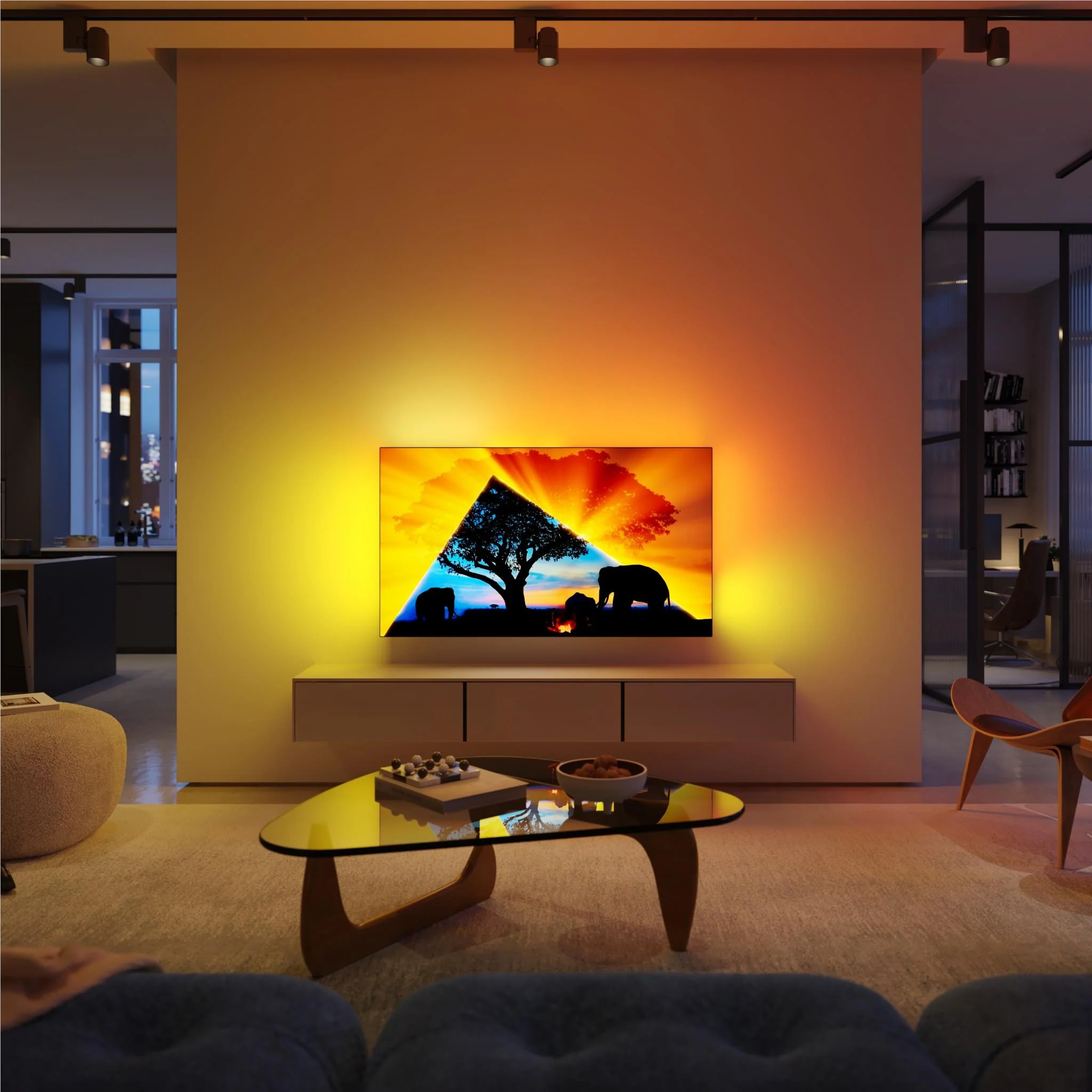
Ambilight remains another part of Philips’ gaming strategy, with AmbiScape extending lighting effects beyond the TV and into compatible room lighting.
Together, the upgrades give Philips a stronger gaming proposition across OLED, combining higher refresh rates, broader HDMI 2.1 support, lower latency and a greater focus on picture accuracy.