Oura Targets Turnaround with Apple Hire as Questions Raised About Ring Vs Watch
 David Richards
19 Mar 2026
David Richards
19 Mar 2026
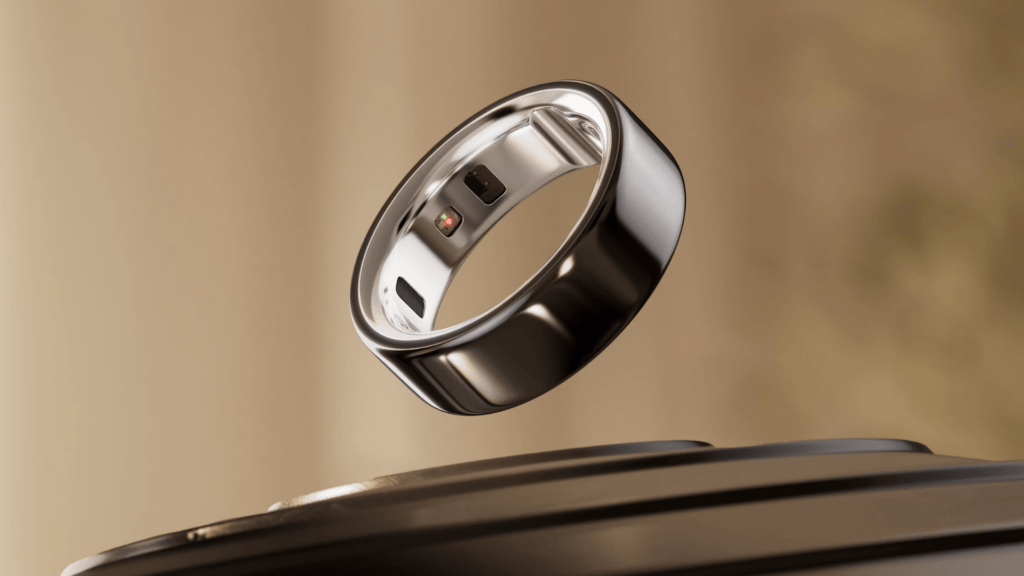
Oura Health has moved to strengthen its hardware capabilities by recruiting a senior Apple executive, as mounting criticism over the accuracy, durability and value of smart ring data raises broader questions about the future of wearable technology.
The company has appointed Brian Lynch, formerly Apple’s senior director in charge of home devices, as its new Vice President of Hardware Engineering. The hire signals a clear attempt by Oura to sharpen its product offering and potentially expand into new categories, amid growing competition from smartwatch makers and increasing consumer scrutiny.
At Apple, Lynch was responsible for shaping the hardware roadmap across a portfolio of smart home initiatives, many of them experimental. His remit included development work on intelligent displays, advanced automation systems and a mobile robot—projects that have yet to be released publicly. He also spent time as an engineering manager on Apple’s now-abandoned self-driving car program, which was shuttered in 2024.
His exit comes at a sensitive time for Apple, whose smart home ambitions have repeatedly stalled despite years of development and reported plans for AI-driven displays, home security systems and robotics. For Oura, however, the hire represents an opportunity to inject deep hardware expertise into a product line that has increasingly come under fire.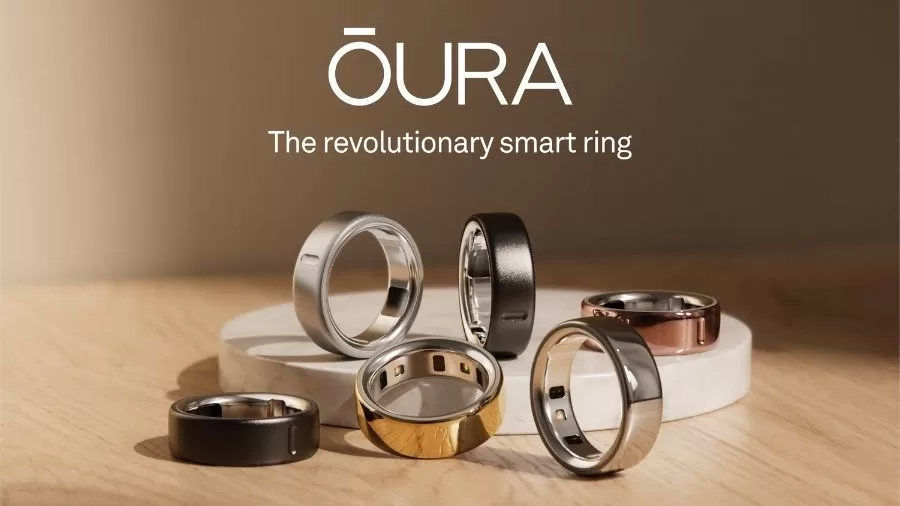
Accuracy Under the Microscope
While Oura has positioned its ring as a leader in sleep and recovery tracking, critics argue that its core measurements rely heavily on estimation rather than direct monitoring.
The device does not directly measure sleep, instead using heart rate, temperature and motion data to infer sleep patterns. Multiple studies and user reports suggest that its breakdown of sleep stages—such as REM and deep sleep—can be inconsistent when compared with clinical sleep lab testing.
Users have also reported discrepancies of 30 to 60 minutes in total sleep time, raising concerns about reliability—particularly as sleep tracking remains the ring’s primary selling point.
Despite this, Oura has continued to promote comparative sleep data, including recent claims that New Zealand users sleep longer than Australians—figures that critics say should be treated cautiously given the limitations of the underlying technology.
Workout Tracking Falls Behind
Beyond sleep, the Oura Ring has struggled to match the performance of established wearable competitors in fitness tracking.
Devices from Garmin, Apple and Samsung generally offer more accurate and comprehensive workout monitoring, particularly for strength training and low-movement activities such as Pilates and yoga—areas where Oura’s reliance on motion and heart rate data can fall short.
The absence of real-time feedback further limits its appeal for active users. Unlike a smartwatch, the ring has no display, forcing users to rely entirely on a smartphone app to review performance data after the fact.
Lynch is expected to play a key role in addressing these gaps, with speculation that Oura may look to expand beyond rings into new hardware categories—including the possibility of a smartwatch-style device.
Cost and Durability Concerns
Oura also faces criticism over pricing and its subscription model. The ring retails for up to $799 in Australia, with many of its key insights locked behind a monthly membership fee. Without the subscription, functionality is significantly reduced—a model that has drawn consistent complaints from users.
Durability is another recurring issue. Online reviews frequently highlight that the ring is prone to scratching, particularly during gym use or weight training, raising concerns about longevity for a product designed to be worn continuously.
There are also usability concerns tied to the form factor itself. Wearing a powered ring 24 hours a day can become uncomfortable for some users over time—an issue noted across competing products in the category.
Competition from Smartwatches
The broader challenge for Oura is the increasing capability of smartwatches, which continue to dominate the wearables market.
Devices such as the Apple Watch, Samsung Galaxy Watch and Garmin’s range offer integrated displays, real-time tracking, richer data visualisation and broader functionality. Battery life also remains competitive, with some devices—such as those from Suunto—lasting up to 24 days, far exceeding Oura’s typical 5–7 day cycle.
These devices also deliver more detailed activity data and insights through their companion apps, often without requiring an additional subscription.
The Psychology of Sleep Tracking
Even in its strongest category—sleep—Oura faces a less tangible but growing criticism: the psychological impact of constant monitoring.
Some users report becoming overly fixated on sleep scores, leading to increased stress and anxiety—an effect that can paradoxically worsen sleep quality. Experts have warned that excessive reliance on consumer sleep metrics can distort perceptions of rest and recovery.
A Critical Moment
Oura’s core proposition remains compelling for a specific segment of users—those focused on long-term health trends, recovery and passive tracking without the distraction of a screen. However, as the wearables market matures, expectations around accuracy, durability and value are rising sharply.
The appointment of Brian Lynch suggests Oura is aware of these pressures and is preparing for a significant evolution in its hardware strategy.
Whether that results in meaningful improvements to the ring—or a pivot into entirely new devices—may determine whether the company can maintain relevance in an increasingly competitive and sceptical market.