OpenAI’s Next-Gen AI Video Generator Brings Realistic Physics and Cameo Social App
 Joe Gallop
02 Oct 2025
Joe Gallop
02 Oct 2025
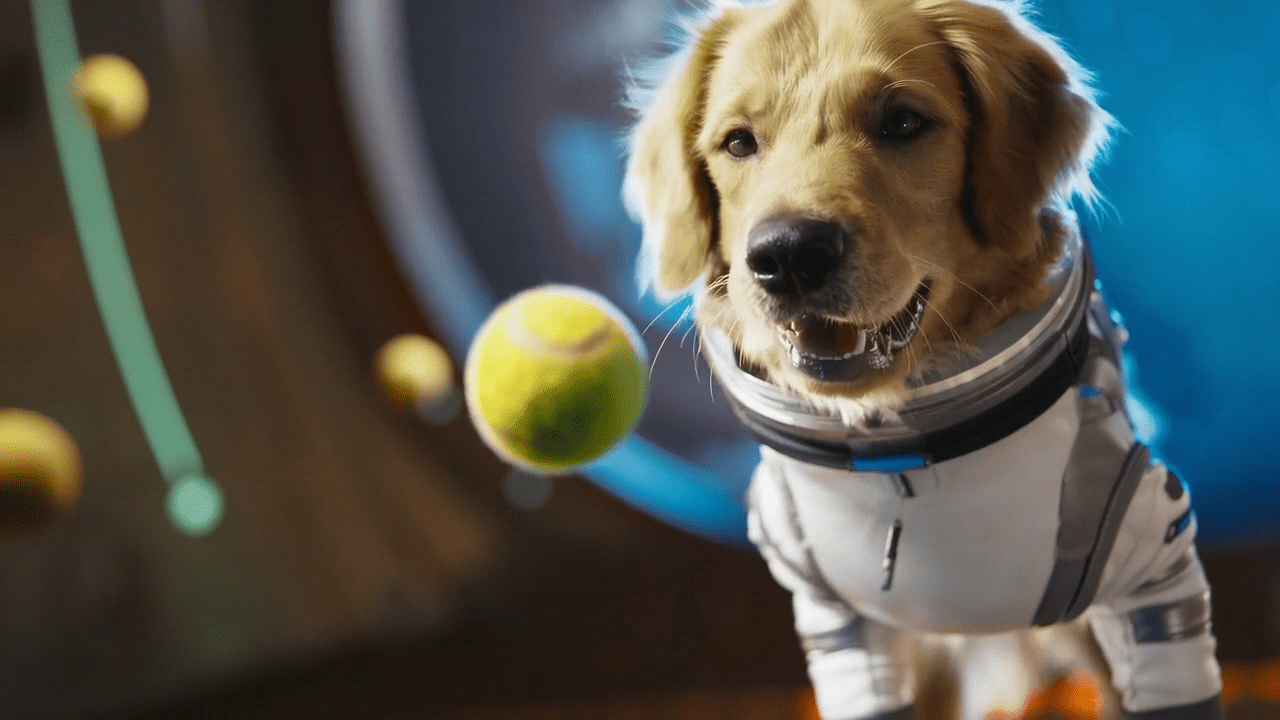
OpenAI has unveiled Sora 2, its next‑generation video and audio creation model, marking a significant advance in AI content generation.
Described by the company as a potential “GPT‑3.5 moment” for video, Sora 2 delivers more physically accurate, realistic and controllable outputs than previous systems.
The original Sora, launched in February 2024, was hailed as a breakthrough for AI video, introducing object permanence and basic world simulation.
Sora 2 pushes further, generating complex scenes such as Olympic gymnastics routines, backflips on paddleboards with realistic physics, and even triple axels with cats – all with sound effects and dialogue synchronised to the action.
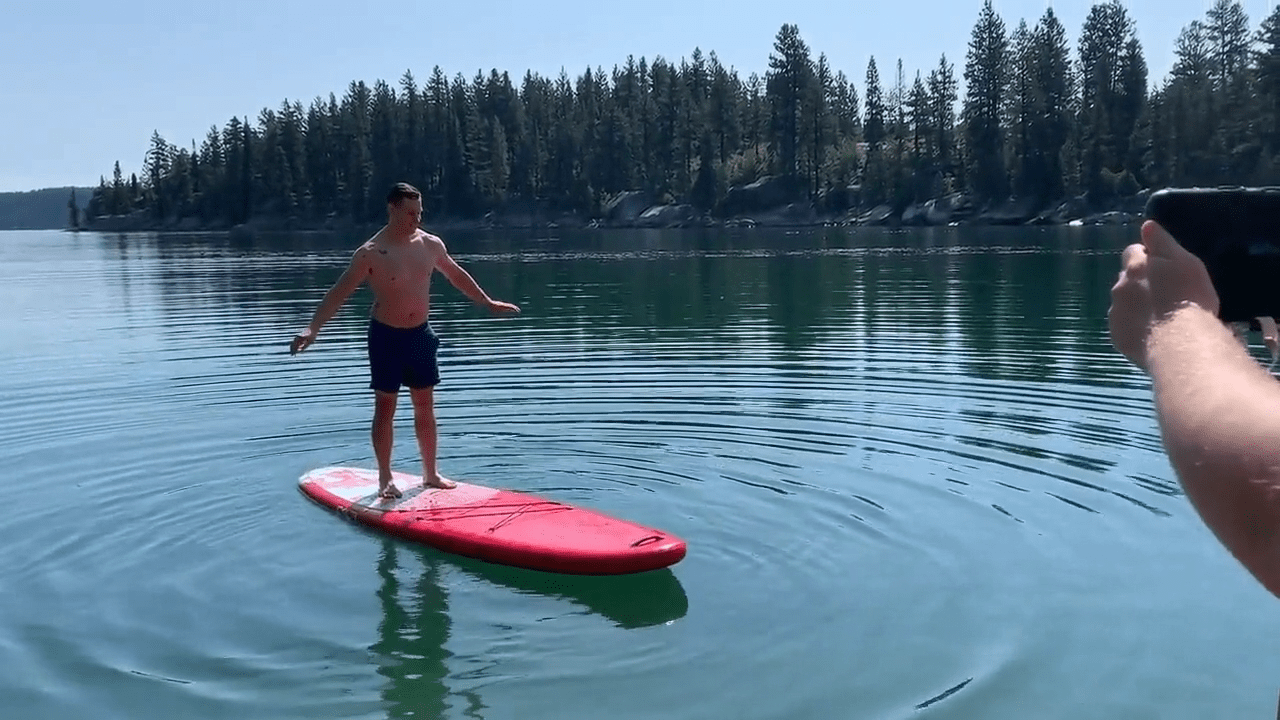
A screen grab from one of the Sora 2 sample videos
Unlike earlier models that often warped reality to meet prompts, Sora 2 adheres more closely to physical laws.
For example, missed basketball shots produce natural rebounds rather than unrealistic “teleporting” balls. The system also models multi‑shot scenarios with persistent world state and supports cinematic, realistic and anime styles.
Alongside the model, OpenAI has launched the Sora iOS app, currently invite‑only, designed as a social platform for creating, remixing and sharing AI‑generated videos.

A standout feature is Cameos, allowing users to insert themselves or others into generated scenes after a one‑time identity verification process. Users maintain full control over who can use their likeness and access can be revoked anytime.
OpenAI says it has built safeguards into the app, including restrictions on public figure likeness use, parental controls and wellbeing measures to avoid over‑consumption.
The initial rollout begins today in the US and Canada, with expansion planned for other regions.
Sora 2 will initially be free with generous limits, and ChatGPT Pro subscribers will gain access to a higher‑quality “Sora 2 Pro” model. An API release is also planned.