Nokia 300 Charge Launches With 40-Day Battery Life And Reverse Charging
 April Ossington
25 Aug 2026
April Ossington
25 Aug 2026
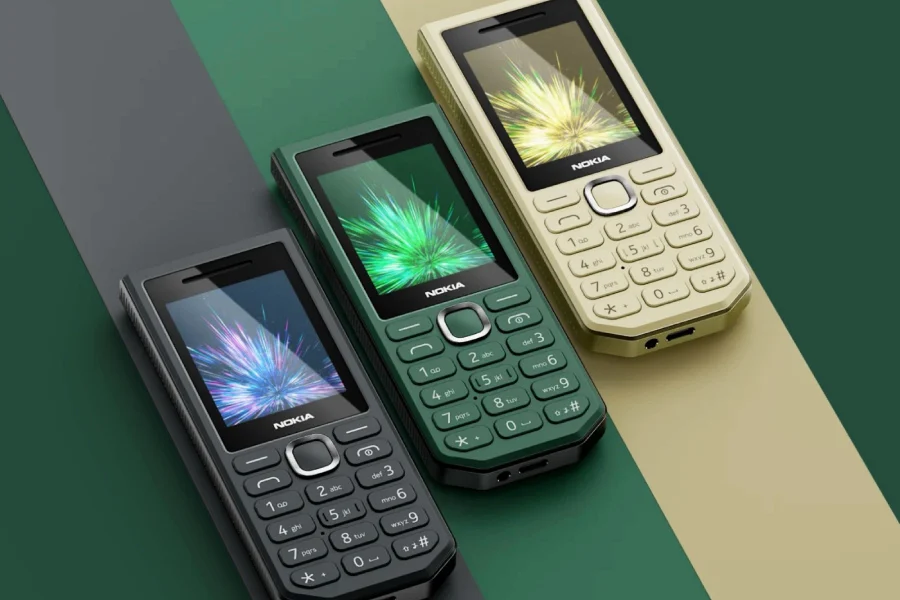
HMD has launched a new Nokia feature phone built around exceptionally long battery life, with the Nokia 300 Charge promising up to 40 days on standby and the ability to charge other devices.
The Nokia 300 Charge uses a sizeable 3,700mAh battery, an unusually large capacity for a basic feature phone. HMD claims it can deliver up to 37 hours of continuous talk time, while charging is handled through USB-C.
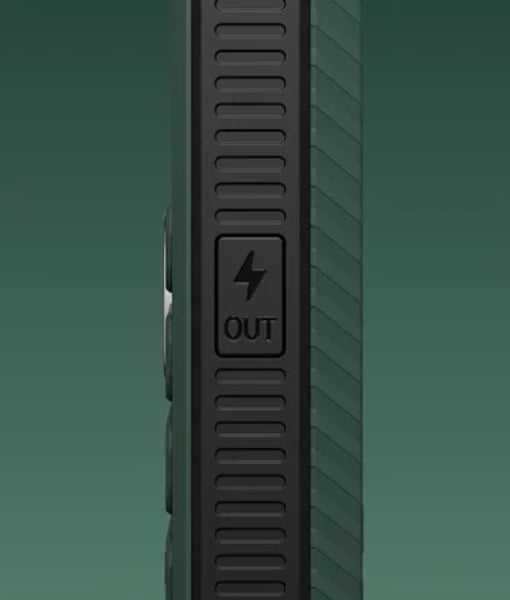
Its battery can also double as a portable power source. A dedicated “Out” button on the side of the handset activates 10W reverse charging, allowing compatible devices to draw power from the Nokia 300 Charge.
The concept follows the battery-focused approach taken with HMD’s Nokia 123 Shield, although the new model puts even greater emphasis on its ability to remain powered for extended periods.
Otherwise, specifications are deliberately simple. The Nokia 300 Charge has a 2.4-inch LCD display with a resolution of 320 x 240 pixels and is powered by the Unisoc SC6531E processor.
It runs Nokia’s S30+ software and comes with just 4MB of RAM and 4MB of internal storage. The handset measures 136.6 x 55 x 14.94mm and weighs 138g.
Connectivity is also basic, with support limited to the 900MHz and 1800MHz bands on 2G networks. That could restrict the handset’s usefulness in countries where older mobile networks have already been switched off.
Australia is one such market. Telstra and Optus closed their 3G networks in 2024, while Australia’s 2G networks were shut down years earlier, meaning the Nokia 300 Charge’s current network specifications would make it unsuitable for normal mobile use locally.
The handset is being offered in sandstone, green and black.
Pricing in the Philippines has been set at 2,190 Philippine pesos, equivalent to approximately A$58 based on current exchange rates.
HMD has also listed the Nokia 300 Charge on its global website, although availability outside the Philippines has yet to be confirmed. There is currently no indication that the model will receive an Australian release.
While smartphones continue to compete on cameras, AI and increasingly powerful processors, the Nokia 300 Charge takes a very different approach. Its combination of long standby time, simple operation and reverse charging could appeal to buyers looking for an emergency or secondary handset, provided they live in a market where its 2G connectivity remains supported.