Noise-Cancelling Headphones Raise Safety Questions For Outdoor Use
 April Ossington
23 Oct 2026
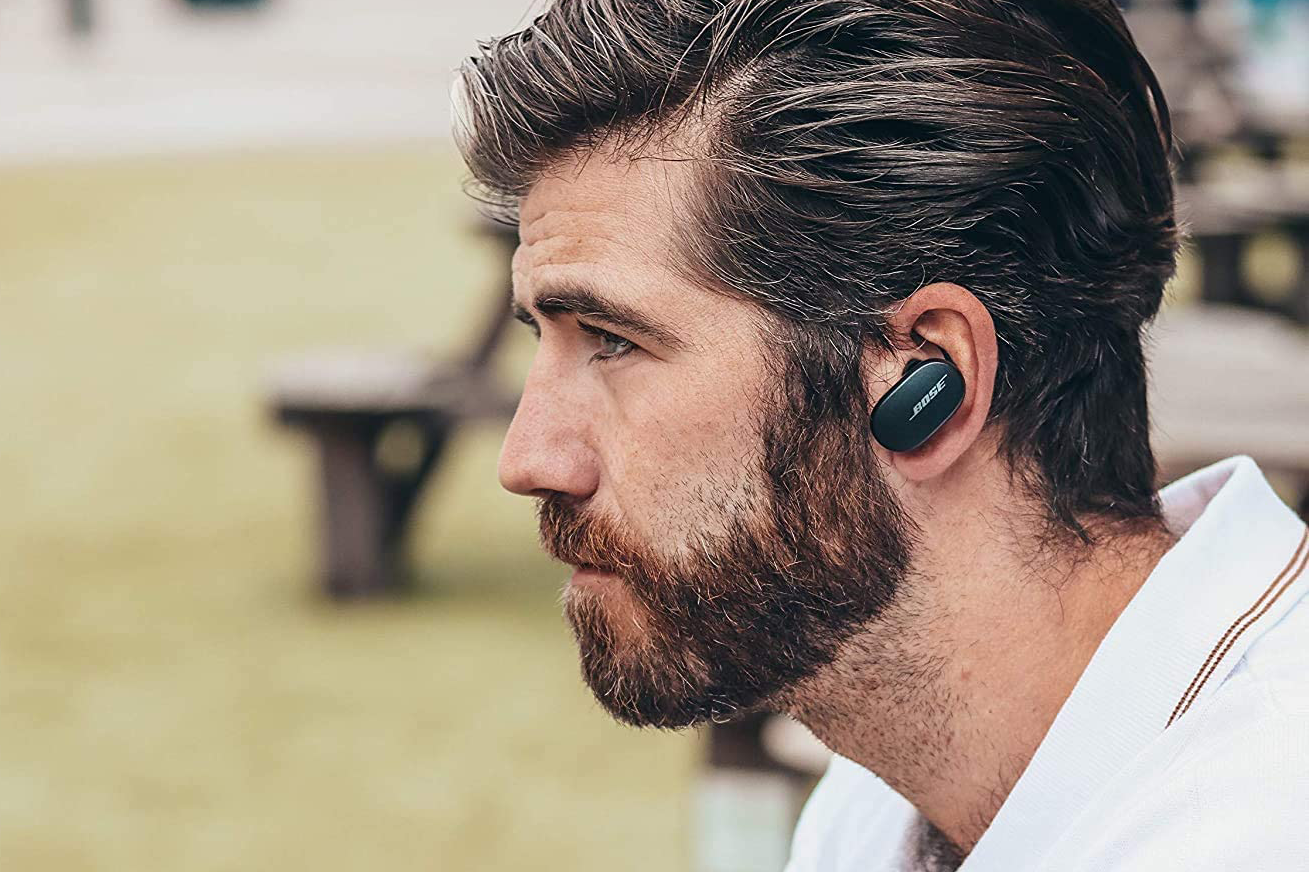
The growing popularity of noise-cancelling headphones and earbuds is raising fresh questions about situational awareness, particularly when they are used while running, walking or commuting outdoors.
The issue came into focus following the death of 47-year-old Thelma Candelaria in Eloy, Arizona, on 15 October. According to local reports, Candelaria was filming one passing train when another approached on an adjacent track.
Police said both trains sounded their horns and the engineer of the second train applied the emergency brakes. Her daughter said Candelaria had been wearing noise-cancelling headphones.
The investigation remains ongoing and there is no evidence that active noise cancellation directly caused the incident. However, the case has highlighted the potential risks of reducing environmental sound in situations where traffic, warning signals or other people need to be heard.
Active noise cancellation works by using microphones and processing to reduce external sound. The technology is highly effective in controlled environments such as aircraft cabins, offices and public transport, but it can also make important background sounds less noticeable.
Simply switching ANC off does not always remove the problem. Closed-back headphones and sealed in-ear earbuds can still block sound through passive isolation.

Many modern headphones include transparency or ambient modes that use external microphones to reproduce surrounding noise. These can improve awareness, although their effectiveness depends on factors including playback volume, wind, fit and the quality of the audio processing.
Users exercising outdoors can reduce risk by keeping volume levels lower, choosing well-lit routes and checking their surroundings before changing direction or crossing roads.
Extra caution is particularly important around railway lines, road crossings and busy transport areas, where headphones can make it harder to recognise approaching vehicles or warning signals.
Open-ear headphones and earbuds have emerged as another option for people who want to listen to audio while retaining greater awareness of their surroundings.
Unlike sealed earbuds, open-ear products leave the ear canal unobstructed, allowing environmental sound to reach the listener naturally. The trade-off is usually weaker bass response and less isolation from external noise.
Playback volume still matters. Even open-ear designs can mask approaching vehicles or warning sounds when music is played loudly.
The wider issue is that maximum noise isolation is not always an advantage. Features such as quick-access ambient modes, automatic volume reduction and clearer warnings about the limits of noise-cancelling technology could become increasingly important as headphones are used in more outdoor and public environments.
For consumers, the safest option remains matching the listening mode to the situation rather than leaving maximum noise cancellation switched on throughout the day.