No KPop Demon Hunters Toys In Stockings This Christmas
 April Ossington
10 Nov 2025
April Ossington
10 Nov 2025

Netflix is facing a holiday demand problem nearly every entertainment company wishes it had. For the tens of millions of tweens, teens and adults who have streamed the company’s surprise megahit KPop Demon Hunters hundreds of millions of times since June, there is no bigger wish list item in December than dolls, action figures and plush toys inspired by the three KPop idols who save the world in the animated musical. The problem is the supply is not there. At retail the official offerings are mostly novelty items. A card game, some phone grips, apparel, wooden ornaments. Parents who want a real toy under the tree are essentially out of luck for 2025.
Most of the core toys will not hit stores until sometime in the first half of next year. That means nearly a year lag between the movie’s release and the moment a kid can pull a Huntr X doll out of real toy packaging.
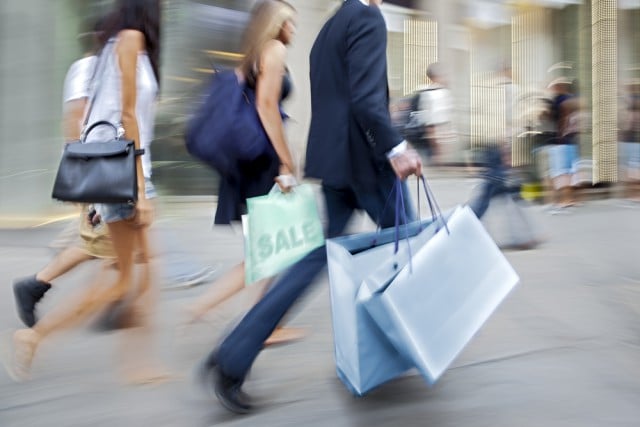
For most studios and most retailers, missing the Christmas window would be catastrophic. Holiday shopping is the biggest retail event in the United States and most of the developed world and digital commerce is still climbing. Adobe forecasts US online spending of more than 250 billion dollars in November and December, which would be up more than five per cent from last year.
Netflix, however, is saying publicly that it is not panicked. Consumer products are still a tiny business for the company. Netflix treats toys less as a line of business and more as a marketing accelerator. The real objective is not to sell a lot of dolls in December 2025. The real objective is to create the first global kids franchise that Netflix owns outright.
Industry analysts say this is the strategic question that matters. Emily Horgan, a widely followed kids media consultant and former Disney executive, says Netflix can still win the larger game if it does not make big mistakes. Disney itself had similar lag years with Frozen and Cars. Both films caught the company by surprise, which meant that product pipelines were thin the first holiday season. But both properties went on to become multi decade merchandising engines that continue to print money long after the films themselves.
Netflix has changed Hollywood’s economics forever, but it still does not have franchise pillars at the level of Harry Potter, Star Wars or Despicable Me. The closest things to major Netflix franchises to date are Bridgerton and Stranger Things and even those do not convert as easily into toys.
Retailers arguably had the chance to avoid all of this. Netflix pitched KPop Demon Hunters to toy companies years ago. The title was always presented with merchandising potential. Most buyers passed. Original animation is considered high risk. And other recent originals from other studios, including Universal’s Migration and Pixar’s Elemental, did not create the kind of lightning strike demand needed to justify early tooling.
The other problem was that retailers did not have a great precedent for Netflix owned kids’ properties. The streamer’s biggest preschool brands, such as CoComelon and Gabby’s Dollhouse, are produced by third parties. Mattel experienced a difficult outcome with Karma’s World, a kids series created by Ludacris, which led to one holiday toy line and not much else.
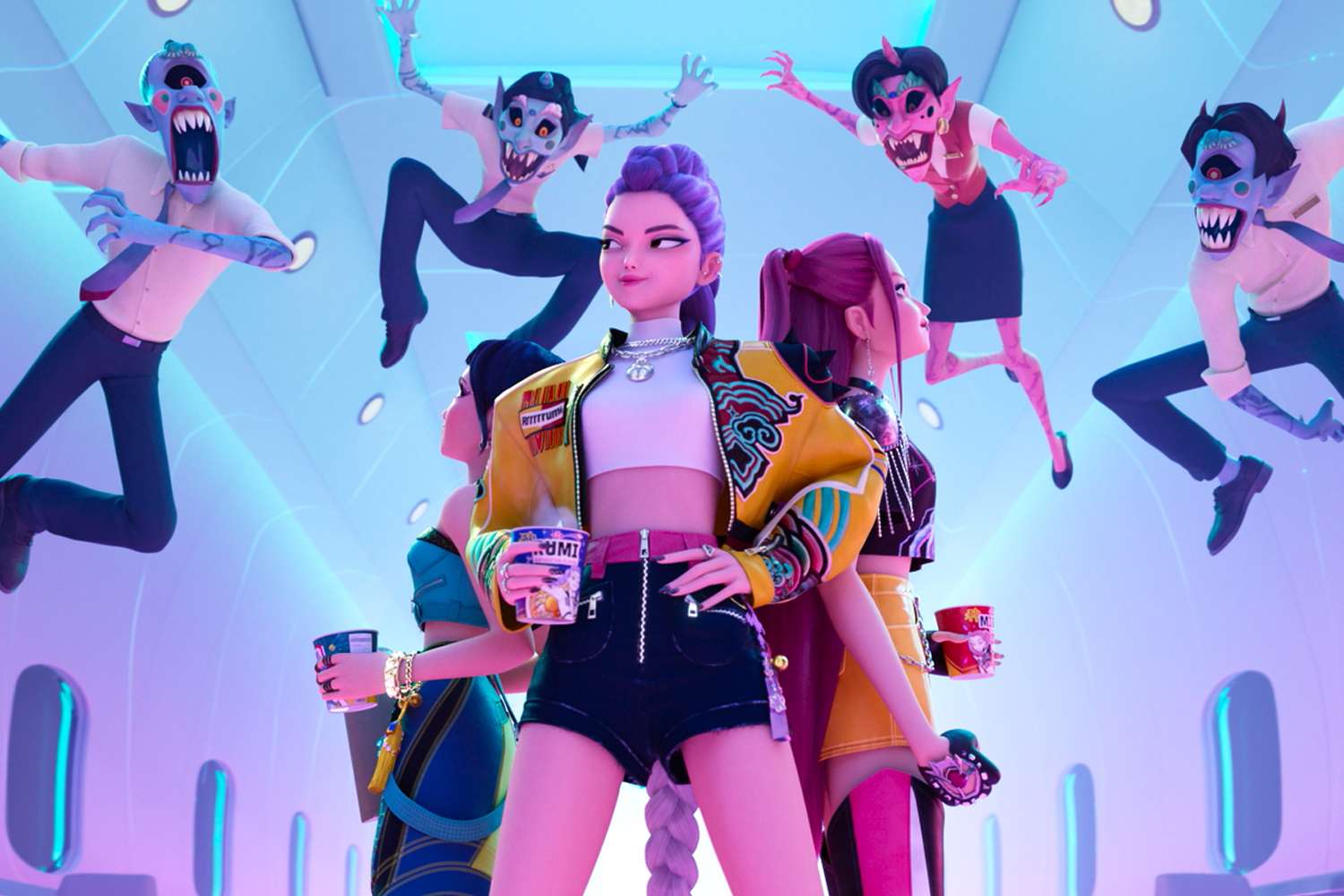
Even inside Netflix there was not total confidence. Early test footage did not land well. Directors Maggie Kang and Chris Appelhans reworked the film in response. No one in June expected a global mania. Then TikTok happened. A soundtrack that spread organically, a wave of fan edits and internet challenges, and then a flywheel. KPop Demon Hunters became the most watched Netflix original movie in history. It has been among the service’s top ten movies for more than four straight months. The songs continue to chart on Billboard.
Netflix says it has learned from past happy accidents. During development and early marketing, the company prebuilt large vaults of short form social content, so that if the movie caught fire, the marketing team could pour fuel on it instantly. The company also predesigned concepts for food partnerships and beauty partnerships so that brand deals could land faster. It also built a significant catalogue of non-toy merchandise for its own ecommerce shop so that there would at least be something to sell on day one.
Now that demand is undeniable, inbound interest from consumer brands is intense. Companies across Asia, especially in Korea, were first to move. Noodle maker Nongshim issued themed ramen. Everland, a major Korean theme park, launched attractions and events. Messaging giant KakaoTalk added emoji sets. Bakery chain Paris Baguette released cakes and cookies with film artwork.
The toy work is now fully underway. And in an unusual structural deal, Mattel and Hasbro will co-hold the master license. Mattel, with Barbie heritage, will build dolls, action figures and play sets. Hasbro will specialise in plush. Both companies acknowledge that the supply chain itself cannot compress much further. It takes time to tool, to manufacture, to test, to ship. Even so, Mattel says this is the fastest it has ever brought a master license to commercialisation.
Netflix is doing everything it can to keep the property in the cultural bloodstream during the wait. There has already been special theatrical sing along weekends. There have already been Halloween partnerships and costumes through Spirit Halloween. Netflix is exploring short form content based on the characters while the long road of building a second feature plays out. The company has now closed deals for the sequel with the directing team and with Sony, which originally developed the concept.
If all goes to plan, the sequel will arrive in 2029. And by then the toy industry will be ready.