New Fight Between Microsoft & Google Is On, The Big Winner CE Retailers
 David Richards
20 Aug 2026
David Richards
20 Aug 2026
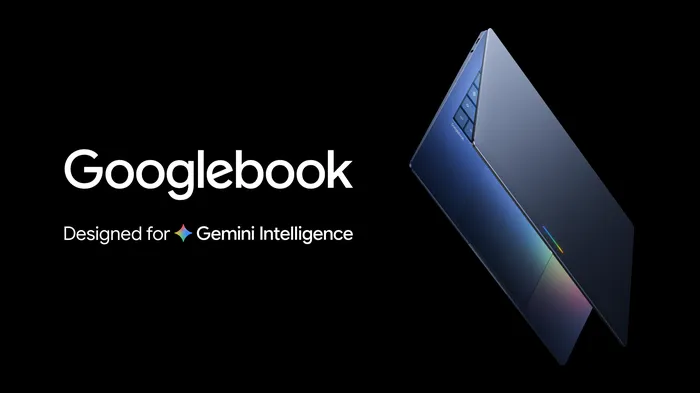
The battle between Microsoft and Google is set to move to another level, with Google finally confirming a date for the launch of its premium Googlebook platform — a move that could pose a significant new threat to Microsoft and its dominance of the PC market.
Google will unveil the new platform in New York City on September 15, 2026, with Gemini AI and a native Android codebase at the centre of its strategy.
The announcement is set to deliver CE retailers such as JB Hi Fi, The Good Guys and Harvey Norman, along with specialist notebook retailers a major boost with the introduct of a whole new category of PC products.
Rather than simply delivering another Chromebook refresh, Google appears to be preparing a much broader assault on the traditional Windows laptop market, potentially giving consumers and businesses a new reason to move away from Microsoft-powered PCs.
The stakes could be significant for Microsoft. Windows remains deeply entrenched in the PC market, but Googlebook could challenge that position by combining Gemini AI, Android integration and new premium hardware in a single ecosystem. If Google can make switching between an Android phone and Googlebook as seamless as Apple has made the relationship between the iPhone and Mac, Microsoft could face increased pressure among millions of Android users choosing their next laptop.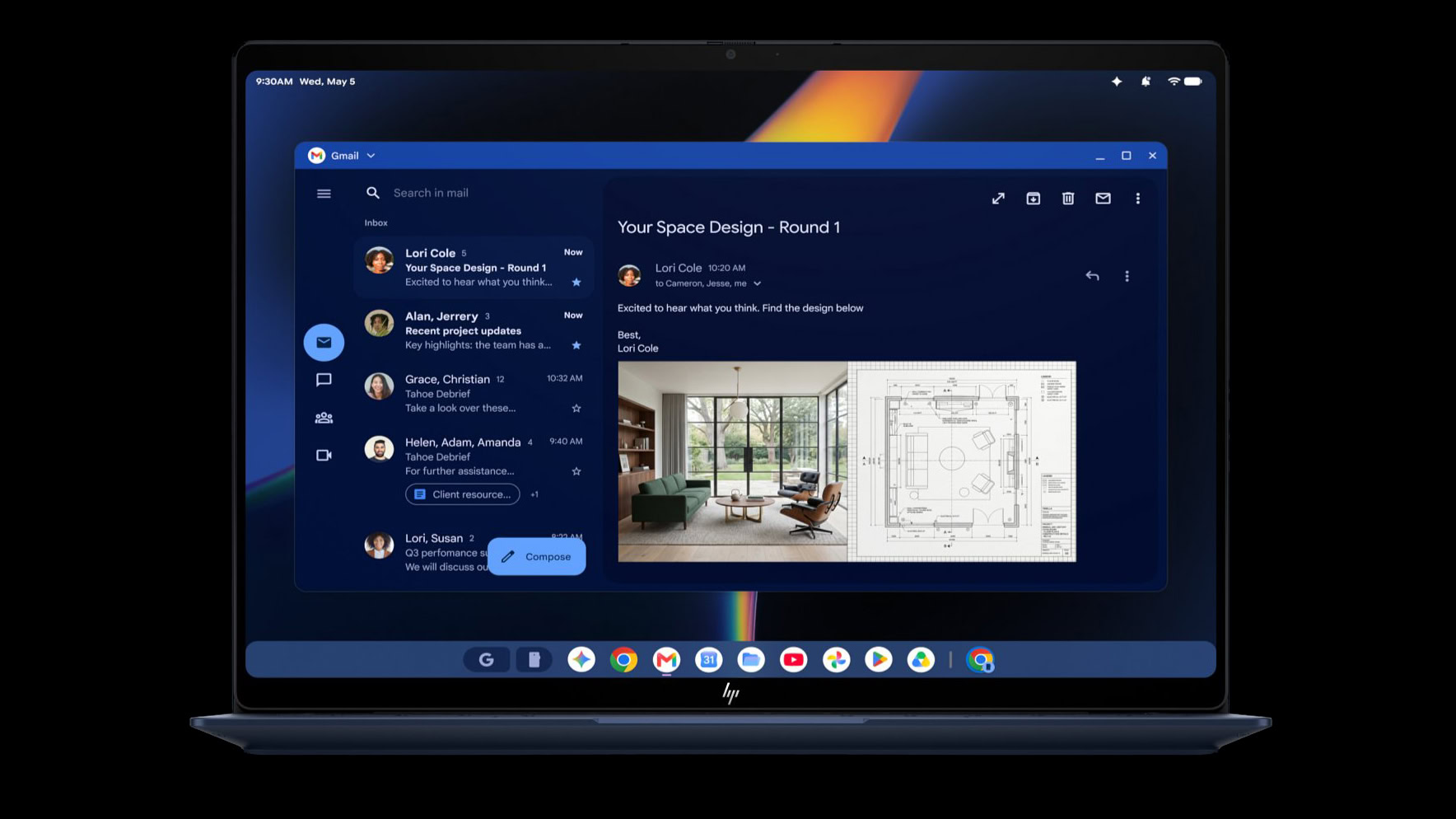
Google’s September event is expected to reveal new software, custom widgets and a feature called Magic Pointer, designed to create a closer relationship between Googlebooks and Android phones.
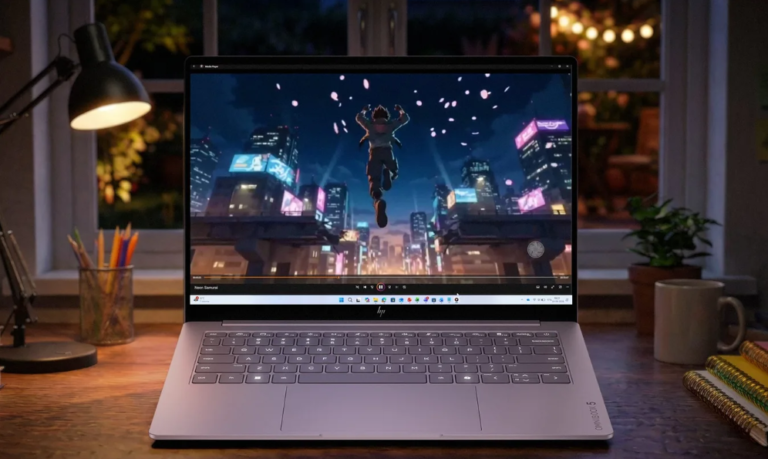
Google has already confirmed hardware partnerships with Lenovo, ASUS, HP and other manufacturers, meaning the event is expected to feature multiple Googlebook designs rather than a single flagship device.
According to an official invitation received by Chrome Unboxed, the September 15 event will include a keynote from Google executives covering Googlebook software, Gemini features and the platform’s native Android codebase.
Hands-on stations featuring hardware from Google’s OEM partners are also planned. That could give attendees their first proper look at the laptops manufacturers are preparing for the platform rather than another collection of software demonstrations.
The laptops are also reportedly expected to feature Google’s HiLight LED bar, a glowing design element that has appeared on other Google hardware.
But it is the combination of Gemini and Android that could represent the biggest challenge for Microsoft.
Microsoft has spent heavily positioning Windows and Copilot at the centre of the AI PC era. A credible Googlebook ecosystem would give major PC manufacturers another AI-focused operating system to put on premium laptops, potentially weakening Microsoft’s position as the default software platform for PC makers.
There is also a wider strategic risk. Google already controls Android, the world’s dominant mobile operating system, and has Gemini embedded across a growing number of its products and services. Bringing those assets together on laptops could allow Google to compete with Microsoft across hardware, operating systems, productivity software and AI at the same time.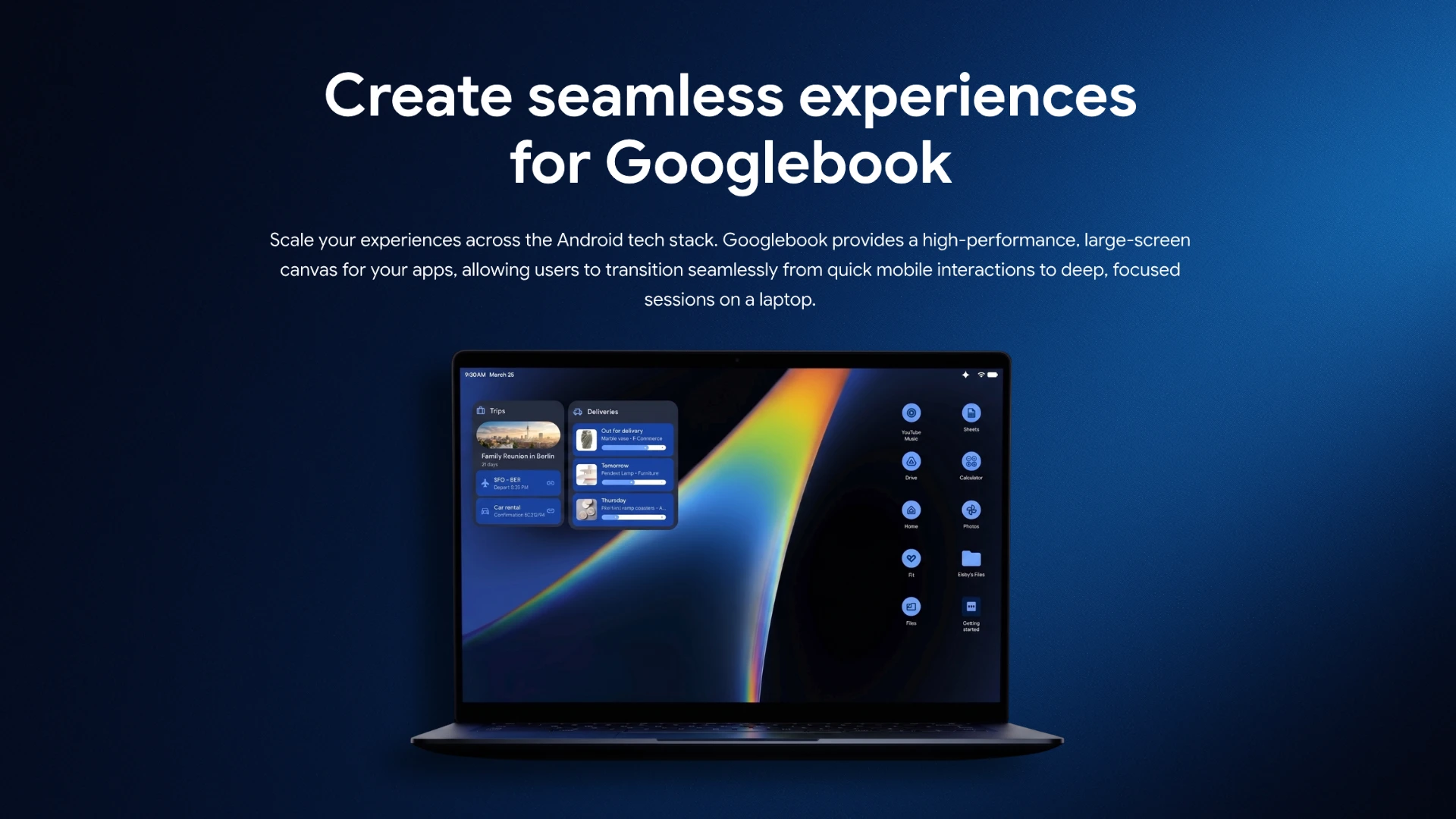
The immediate question will be whether Google can persuade consumers — and eventually businesses — that Googlebook is a genuine replacement for Windows rather than simply the next generation of Chromebook.
Google has previously confirmed that Googlebook will support processors from Intel, Qualcomm and MediaTek, giving manufacturers considerable flexibility over pricing, performance and form factor.
New code references may now provide an early look at some Qualcomm-powered machines.
According to GbookHub, two designs codenamed Annite and Pic are linked to Qualcomm’s eight-core Snapdragon X Plus X1P-42-100 processor and a platform called Mica. The chip can reach 3.4GHz, while the references also point to fingerprint support and the absence of a USB-A port on those particular designs.
Additional references to Quartz and Mica could be connected to the more powerful Snapdragon X Elite X1E-80-100, although that connection remains less certain.
Snapdragon X Plus models could give manufacturers more room to build Googlebooks around price, battery life and different form factors. Current Windows laptops using the processor generally sell for around $700 to $1,100, although Googlebook pricing has yet to be announced.
Intel-powered hardware has also leaked, including an Acer model reportedly offering up to 32GB of RAM and a 2.8K OLED display.
For now, Annite and Pic remain code names rather than confirmed products.
The September 15 showcase should finally reveal whether Google’s ambitious laptop strategy can turn those scattered pieces into a convincing alternative to conventional Windows and ChromeOS machines.
For Microsoft, the bigger concern may not be whether Googlebook immediately takes a large chunk of Windows market share. It is whether Google can establish a credible third ecosystem around Android and Gemini that gives consumers, PC manufacturers and eventually enterprise customers a viable reason to reduce their dependence on Windows.
If it succeeds, the battle between Google and Microsoft for the AI era will have expanded decisively from search, cloud and artificial intelligence to one of Microsoft’s most important strongholds: the PC.