Meta Says Smart Glasses Secret-Recording Glitch Is Fixed as Privacy Fears Grow
 Emma Wheaton
20 Oct 2026
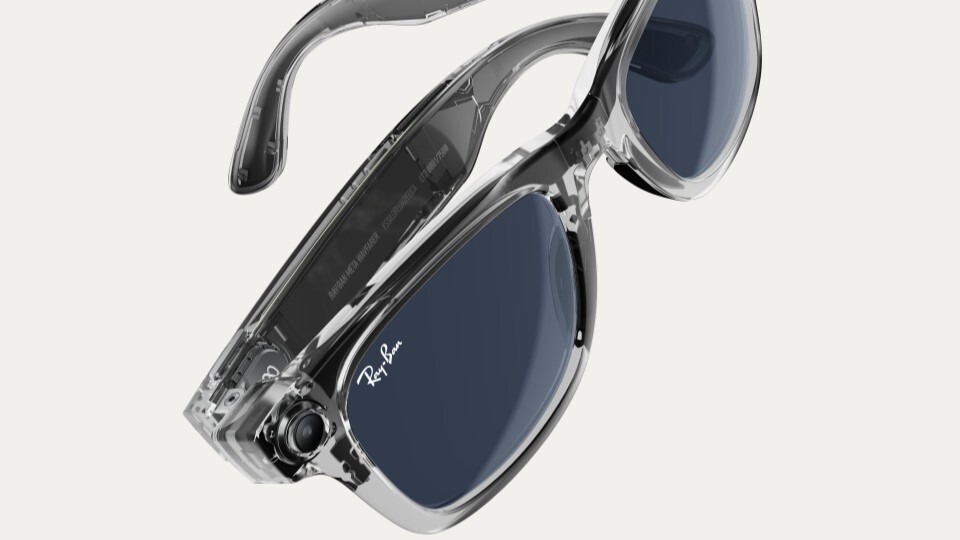
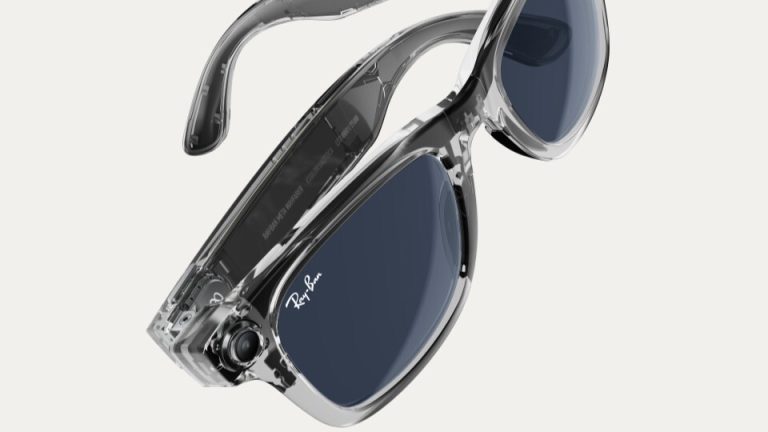
Meta’s Ray-Ban smart glasses are facing renewed privacy scrutiny after users reported that the devices recorded conversations without being prompted by their usual “Hey Meta” voice command.
While Meta now says the software issue has been fixed after users reported the unexpected recordings, questions remain over how the devices captured private conversations in the first place.
According to reports shared on Reddit, one owner claimed that three pairs of Ray-Ban Meta glasses, spanning second- and third-generation models, had captured conversations without the wake phrase being used.
The user said the “Respond without Hey Meta” setting was disabled, yet audio recordings and text transcripts allegedly appeared in their Meta AI conversation history.
The owner also reported noticing the glasses’ white indicator light activating during ordinary conversations, despite not intentionally invoking the AI assistant.
Other users described similar experiences, including unexplained indicator-light activity and apparent activations without the usual voice-command.
The reports remain anecdotal and the extent of the issue and how widespread it is, remains unclear.

Meta reported that the issue has been resolved. A spokesperson also said users could manage, review and delete voice logs of their interactions with Meta AI through the relevant settings.
The company has not disclosed the underlying cause or confirmed whether a recent software update was responsible.
Meta’s smart glasses light is supposed to alert people when the camera is capturing photos or video. The company has also introduced safeguards so that the camera is disabled if the indicator is tampered with or obstructed.
However, the latest complaints concern unexpected audio capture. So how can users trust when an AI-enabled device is listening and storing information?
Privacy concerns around smart glasses have grown internationally, including in Australia.
The Office of the Australian Information Commissioner (OAIC) said on 7 October it had begun preliminary inquiries with five smart-glasses hardware or software providers.
The regulator is examining how privacy laws apply and how companies protect personal information collected using the technology. There have also been calls for restrictions on smart glasses in sensitive public spaces.
Although Meta says the software issue has been fixed, without a detailed explanation of what went wrong, there are questions about how similar incidents will be prevented.