How Logitech Reinvented The Humble Mouse, With A Little Help From AI And Foldable Smartphone Technology
 David Richards
20 Oct 2026
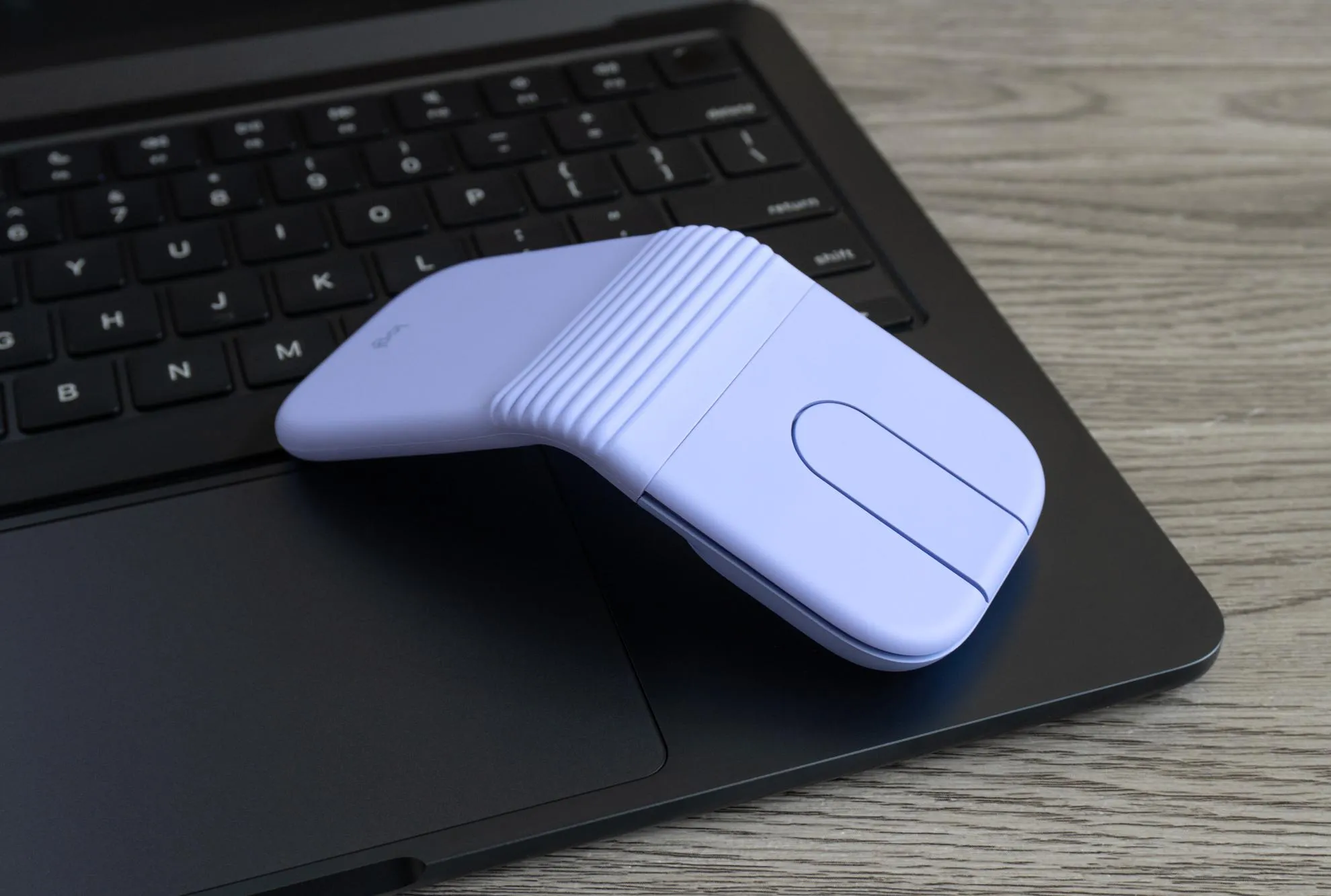
After decades of relatively little change to the traditional computer mouse, Logitech has developed a new folding design aimed at mobile workers.
During a visit to Sydney, earlier this year product development chief Jonathan Wong revealed how his team overcame the engineering challenges, including turning to artificial intelligence to solve a problem nobody anticipated for the humble mouse, this week I caught up with him again to see how things were going with his new foldable baby the Logitech Mobi Fold that is revolutionizing mouse portability while delivering a whole new way to travel with a mouse.
From his his base in California he expanded on how his team had developed a completely new type of foldable computer mouse, one of the more fascinating revelations was that they had to turn to artificial intelligence to stop the device from clicking itself.
It was just one of several engineering challenges faced by Wong, a former BlackBerry, Samsung and Meta executive who joined Logitech around 2024, and the team of industrial designers tasked with reinventing one of the most familiar products in computing.
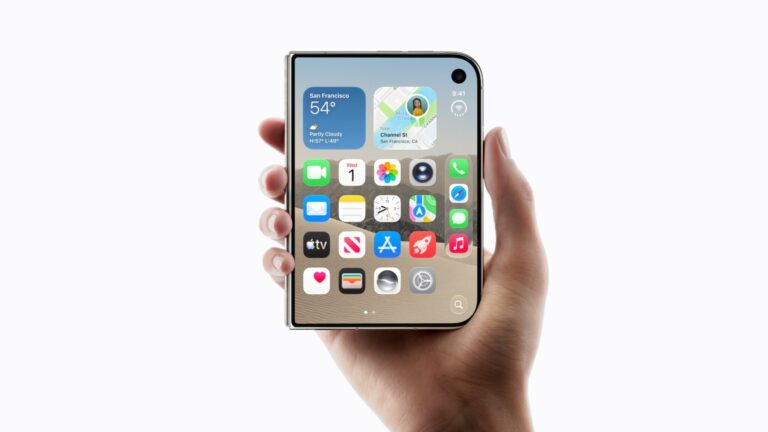
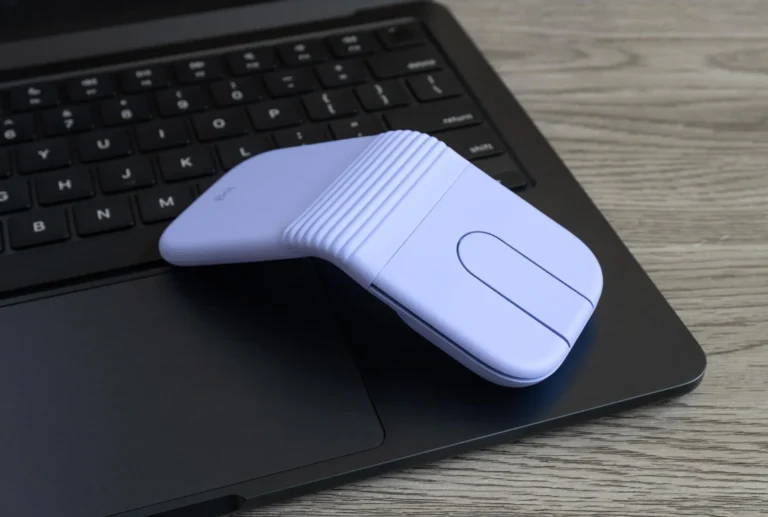
The result is the new A$129 Logitech Mobi Fold, a mouse that borrows a concept from the latest generation of foldable smartphones, opening into a conventional pointing device before folding into a compact accessory small enough to slip into a pocket.
What intrigued me during my discussion with Wong was not simply the folding mechanism, but how Logitech had approached the challenge of redesigning a product that has remained fundamentally unchanged for decades.
After all, the humble mouse is one of those bog standard products found alongside PCs and notebooks in offices and homes around the world.
While smartphones have become foldable, notebooks have become thinner and more powerful, and tablets have evolved into serious productivity devices, the traditional computer mouse has largely retained its familiar shape.
And that presents a problem for the growing number of people who work in hybrid environments, moving between offices, homes, airports, hotels and coffee shops, like myself.
Conventional mice are bulky, take up space in a travel bag and, in my case, have an annoying habit of disappearing.
I have been a long-time fan of Logitech’s MX Anywhere mouse, although over the years I have managed to lose more of them than I care to remember.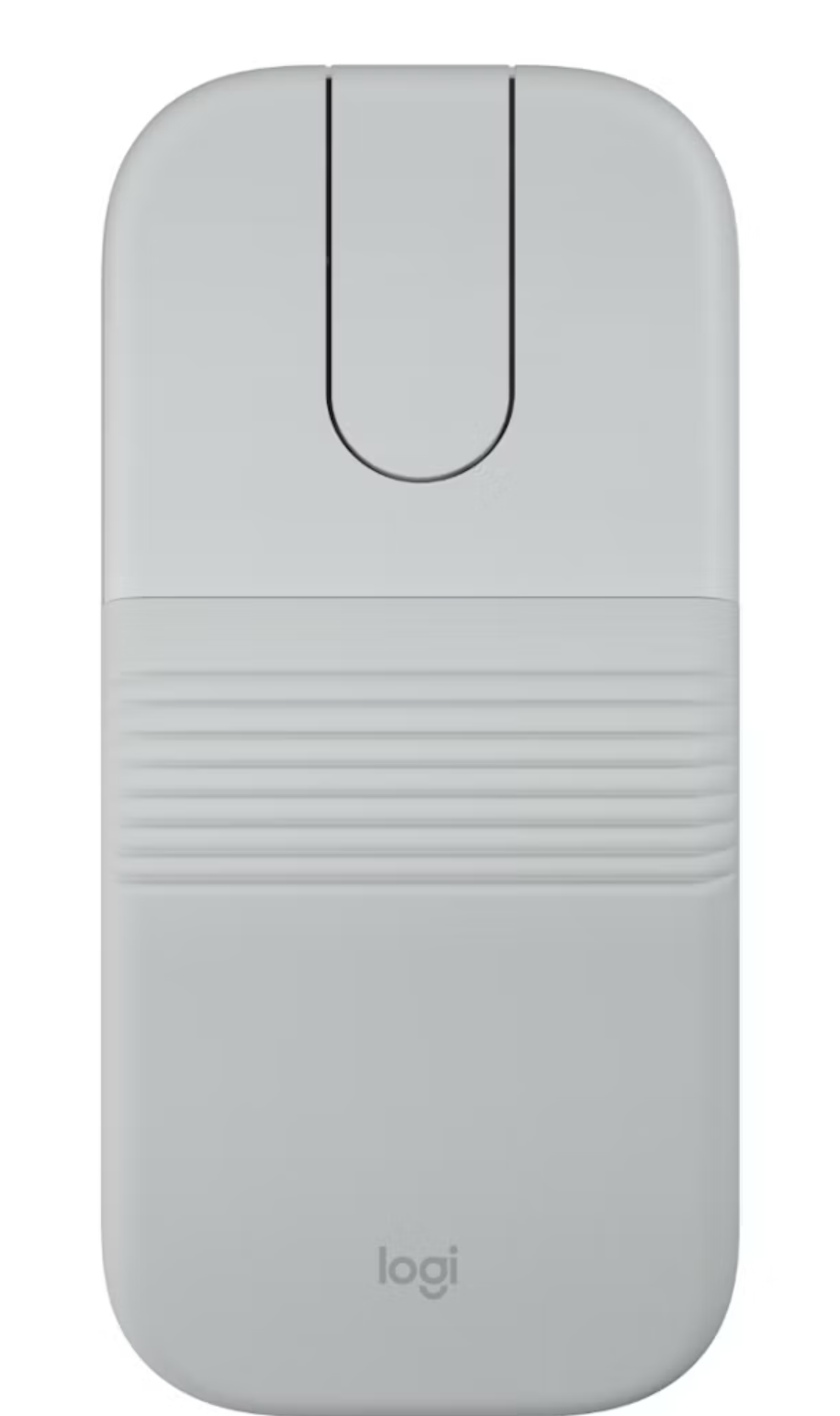
So when the Mobi Fold arrived at my office, I was immediately interested.
Here was a mouse that could fold into a compact shape, fit easily into my pocket alongside a smartphone and open into a fully functioning pointing device.
But what really interested me was how Logitech had managed to make it work.
Wong, who leads the product team behind the device, explained that the objective was to create a “truly folding and unfolding product”, rather than simply shrink an existing mouse.
Working alongside industrial designers Tae Kim and Oscar Garcia, his team set out to rethink the traditional mouse around the needs of people who increasingly use notebooks and other mobile devices away from conventional desks.
And the research they uncovered suggested Logitech was addressing a much bigger opportunity than simply developing another premium computer accessory.
The Surprising Gap Between Mouse Ownership And Usage
According to research cited by Logitech, 72% of notebook and PC users own a mouse.
Yet only 26% use one when working remotely in locations such as airports and coffee shops.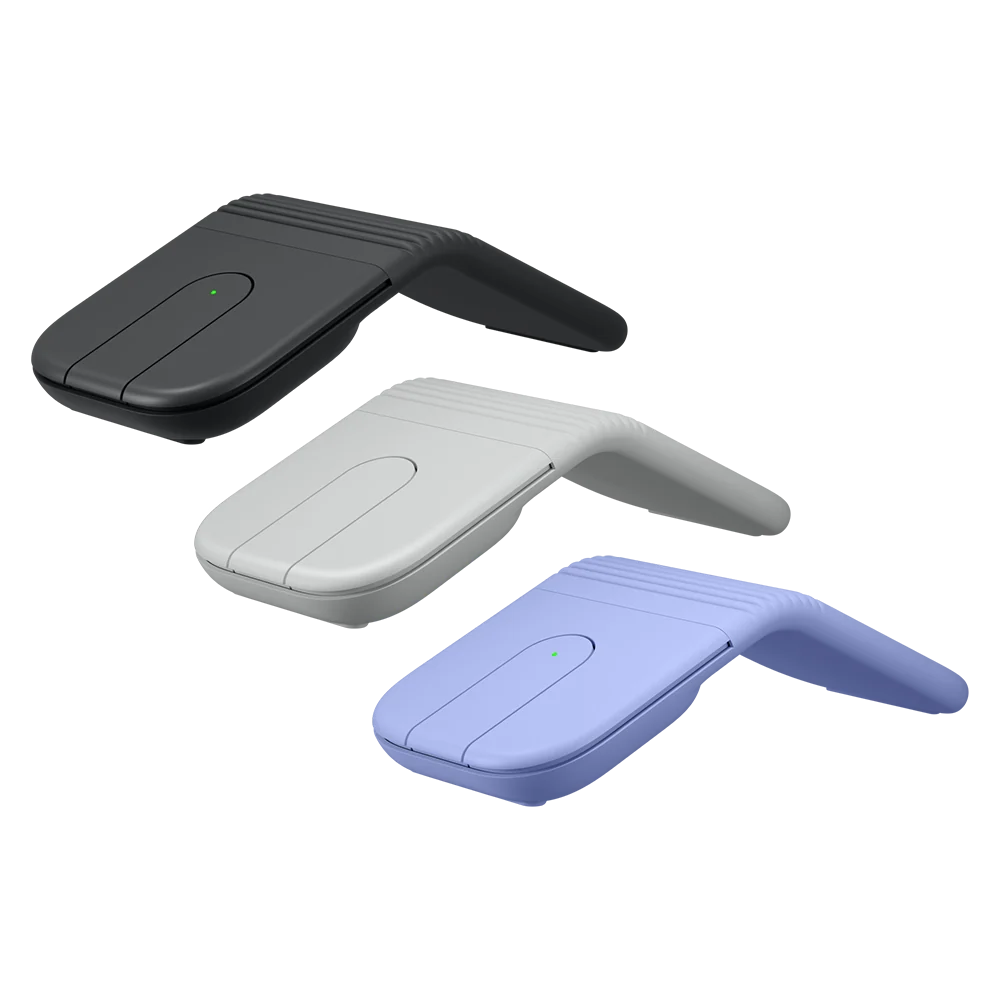
That gap between ownership and usage highlighted a problem that Wong believed Logitech could solve.
People were not necessarily abandoning mice because they preferred trackpads.
Many were leaving them behind because conventional mice were simply inconvenient to carry.
The challenge was to develop a device that could fit into a pocket without sacrificing the comfort, precision and familiar operating characteristics of a traditional mouse.
It sounds straightforward.
But as Wong explained during our discussion, turning that idea into a commercially viable product presented a series of unexpected engineering challenges.
Ironically Logitech’s development team who has developed years of accumulated mobile technology and experience addressing basic mice and keyboard problems had to turn to AI to prevent the mouse from clicking itself, which was a clever way of solving a basic problem.