Massive Black Friday Memory Crunch Set To Hurt Sales Especially For Smaller Manufacturers & Retailers
 David Richards
17 Sep 2026
David Richards
17 Sep 2026

The memory shortage is now moving beyond smartphones and PCs into a much broader margin and availability problem in Australia for both manufacturers of smaller, lower-priced electronics and retailers with several suppliers now unable to deliver forecast stock.
The biggest danger is not necessarily to premium devices.
It is to products where DRAM, NAND or embedded flash represents a meaningful percentage of a relatively cheap bill of materials.
The situation has deteriorated sharply through 2026. TrendForce said this month that inventories at memory suppliers remain at historically low levels, while additional capacity is being directed primarily toward servers and AI.
Consumer DRAM is more exposed because suppliers have curtailed supply in many cases with forecast supply now impacting retailers.
Conventional DRAM contract prices were expected to rise another 13–18% quarter-on-quarter in Q3, with NAND up around 10–15%.
The small-device manufacturers are getting squeezed the hardest.
This is important for retailers such as JB Hi-Fi, The Good Guys, Harvey Norman, Officeworks and Amazon, because the impact potentially spreads across routers, security cameras, smart-home devices, portable gaming products, tablets, TVs, streaming devices, robotic appliances, wearables and other connected products.
The economics are brutal at the cheaper end.
Counterpoint says smartphone memory prices jumped more than 80% quarter-on-quarter in Q2 2026.
On comparable low-end smartphones, total component costs increased around 70% year-on-year, with virtually all of that increase attributable to memory.
Manufacturers have consequently been cutting orders for entry-level models because some products simply cannot be sold profitably at their previous price points.
TrendForce puts the transformation even more starkly.
Memory historically represented roughly 10–15% of a smartphone BOM. For a mainstream 8GB/256GB device it estimates memory has risen to 30–40% of BOM, after contract pricing for that configuration almost tripled year-on-year during Q1.
That same principle applies to a A$149 smart camera or A$200 router.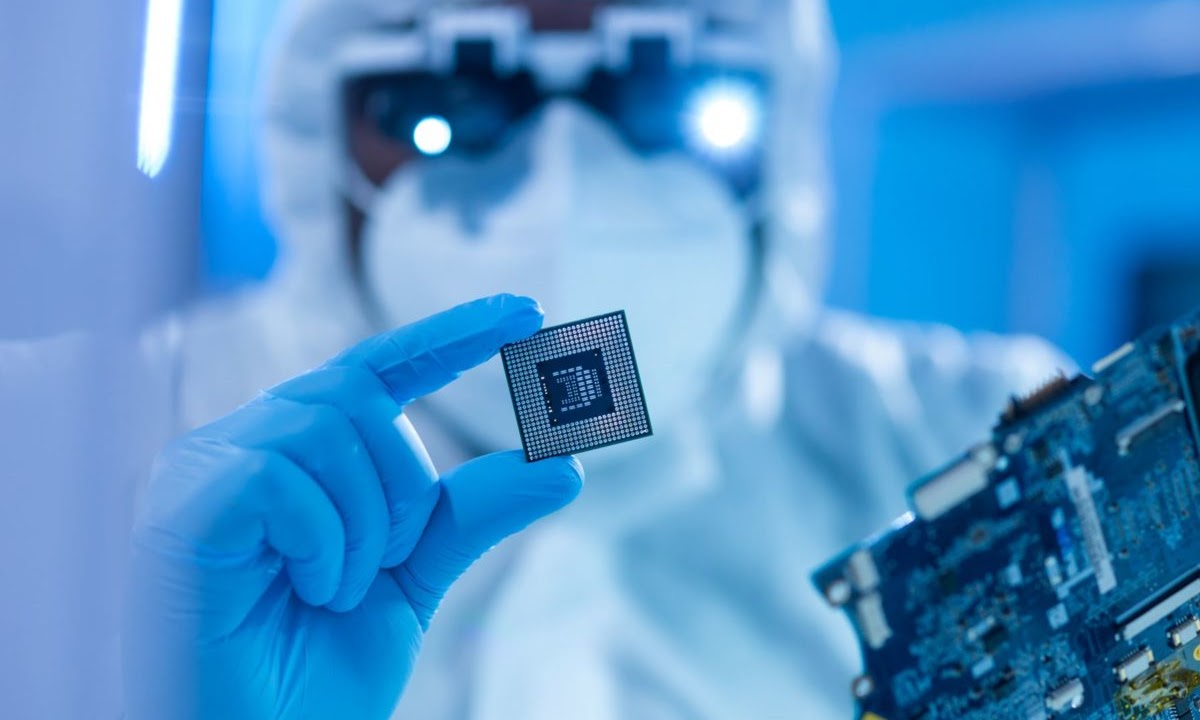
A manufacturer has much less gross-profit dollars available to absorb an extra US$5, US$10 or US$20 of component cost than Apple has on a A$2,000-plus iPhone.
And now availability is becoming more important than price
There has been another significant development this week.
Executives from smaller phone and laptop manufacturers told Reuters that getting an allocation of memory is becoming more important than negotiating its price.
One smartphone manufacturer that without allocation, manufacturers effectively cannot compete.
Smaller companies are redesigning products, qualifying alternative components and even increasing checks for counterfeit memory as they try to secure supply.
That creates an enormous advantage for Samsung, Apple, Lenovo, HP and other giant OEMs.
They can commit to huge volumes and long-term contracts.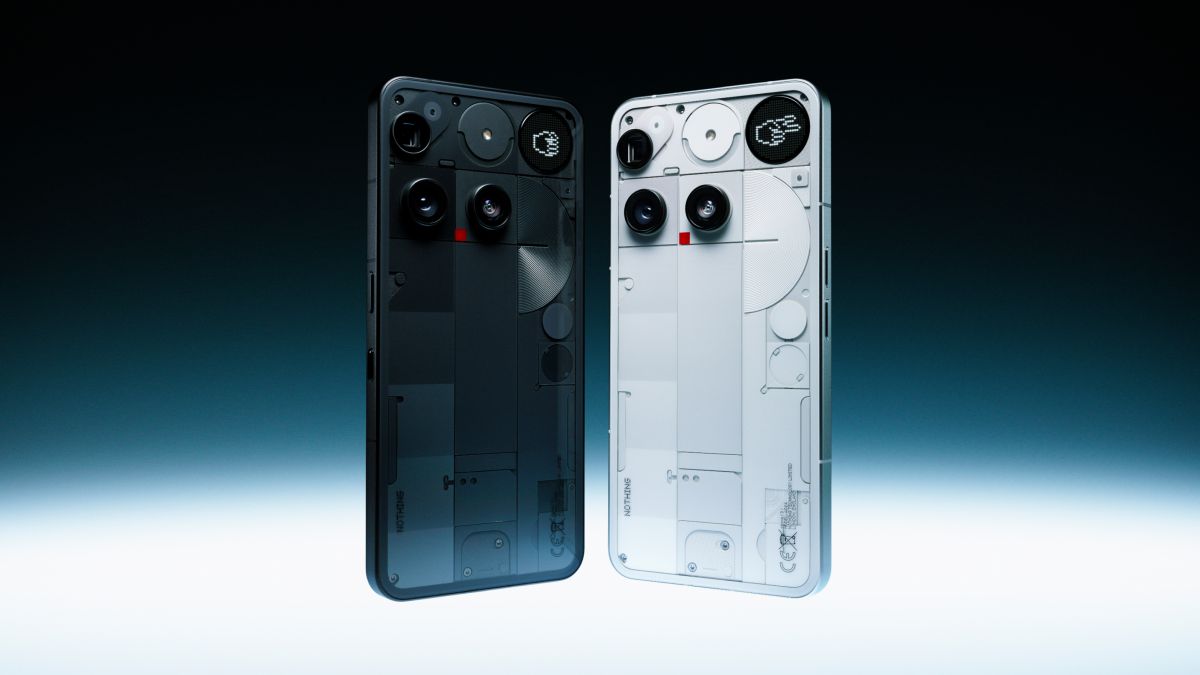
A smaller maker of routers, cameras, audio products, gaming handhelds or smart-home hardware cannot necessarily do that.
The consequence could be SKU rationalisation.
One big winner is Samsung and their subsidiary Companies such as Harman the manufacturer of JBL products as well as Sound United the manufacturer of premium audio products.
Instead of offering 64GB, 128GB and 256GB versions, manufacturers may eliminate configurations, reduce storage/RAM, extend the life of existing models or simply discontinue products whose margins no longer work.
Retailers have a second problem: promotions
This is where the memory crisis becomes particularly relevant to Australian retail.
Retailers traditionally depend upon suppliers funding promotions.
A A$299 product might normally fall to A$249 or A$229 during Black Friday because the vendor contributes promotional funding.
But if the manufacturer’s BOM has increased A$20–A$40, there is considerably less money available to fund that discount.
ChannelNews understands that JB Hi Fi and the Good Guys were aware of this problem earlier in the year and have been able to lock in deals.
That potentially means:
higher recommended retail prices → less supplier promotional funding → shallower discounts → lower unit volumes → slower replacement cycles.
IDC is already seeing this dynamic in PCs and phones. It expects average selling prices to increase while volumes decline, producing the unusual situation where industry revenue can appear relatively healthy even though substantially fewer products are being sold. IDC currently forecasts worldwide PC shipments falling 11.3% in 2026, while PC revenue actually increases 1.6% because ASPs have risen.
Gartner similarly estimates combined DRAM and SSD prices could rise 130% by the end of 2026, contributing to PC prices being about 17% higher and smartphones around 13% higher than in 2025.
Cheap products are particularly vulnerable
This may ultimately change the composition of retail shelves.
Counterpoint’s September forecast says the global smartphone market is now heading for a 14.3% contraction in 2026, with particularly severe pressure below US$200 and meaningful pressure extending through the US$200–US$600 segment.
It says rising new-device prices are also pushing consumers toward repairs, used devices and refurbished products.
TrendForce goes further.
Its September 10 update says brands are considering lower-cost, downgraded and secondary materials to keep entry-level products commercially viable.
That is important because manufacturers have several choices when memory becomes too expensive:
Raise the retail price.
Reduce RAM or storage.
Downgrade another component, such as the display, camera, processor or materials.
Remove features.
Reduce retailer/promotional margin.
Kill the product altogether.
We are already seeing versions of this.
Asian Media reported this month that manufacturers are reverting to cheaper or older displays and cameras to compensate for RAM costs, while the impact is spreading beyond phones and computers toward smart TVs, cameras and smart-home hardware.
Robotics could be an interesting next pressure point
For Australian retailers this could become particularly relevant in robot vacuum cleaners, robotic lawnmowers, pool cleaners and other smart appliances.
These products increasingly resemble computers on wheels.
They use processors plus RAM and flash storage to run mapping, computer vision, AI recognition, navigation and increasingly local AI models.
The Chinese robotics industry has also been extraordinarily aggressive on price.
If memory becomes materially more expensive, companies such as Ecovacs, Dreame, Roborock and MOVA have a choice between absorbing the increase, lifting Australian prices or compromising elsewhere in the BOM.
The companies with scale and stronger purchasing power should have an obvious advantage over smaller entrants.
This could actually favour JB Hi-Fi and the major brands.
There is a paradox here.
The shortage hurts retailers through higher prices and lower unit volumes, but it could also accelerate consolidation toward the largest suppliers and retailers.
A major OEM capable of guaranteeing millions of memory purchases has substantially more negotiating leverage.
Likewise, large retailers able to commit to substantial volumes potentially become more attractive distribution partners when manufacturers are deciding where scarce inventory should go.
The bigger issue heading toward Black Friday 2026 and Christmas therefore isn’t simply, “memory prices have gone up.”
It is that the AI infrastructure boom is effectively competing with consumer electronics for semiconductor manufacturing capacity.
That potentially produces a very different retail environment: fewer cheap products, fewer SKUs, higher RRPs, shallower promotions, longer consumer replacement cycles and significantly greater pressure on smaller manufacturers.
The bigger problem in Australia is that consumers won’t have the money to spend due to the Labor Governments housing crisis and rising inflation due to new Labor Government policies.