Judge Rebukes Plaintiff in Sony PlayStation Class Action: “Get a Bigger Team”
 David Richards
08 Nov 2025
David Richards
08 Nov 2025

An Australian Federal Court judge has criticised the slow pace of a class-action lawsuit against Sony Interactive Entertainment (SIE) — the PlayStation division of Sony — telling the applicant to “get a bigger team” to move the case along.
The class action, led by applicant Jordan Sinclair, accuses Sony of anti-competitive conduct and restrictive trade practices by allegedly forcing consumers to buy digital PlayStation games exclusively through its own online store, rather than from third-party retailers.
Lawyers for Sinclair argue that Sony cut off or restricted third-party retailers from selling digital download codes for PlayStation titles. This effectively made Sony the exclusive digital distributor of its own games and allowed it to charge what the plaintiffs call “supracompetitive” prices — higher than those that might have prevailed in a competitive market.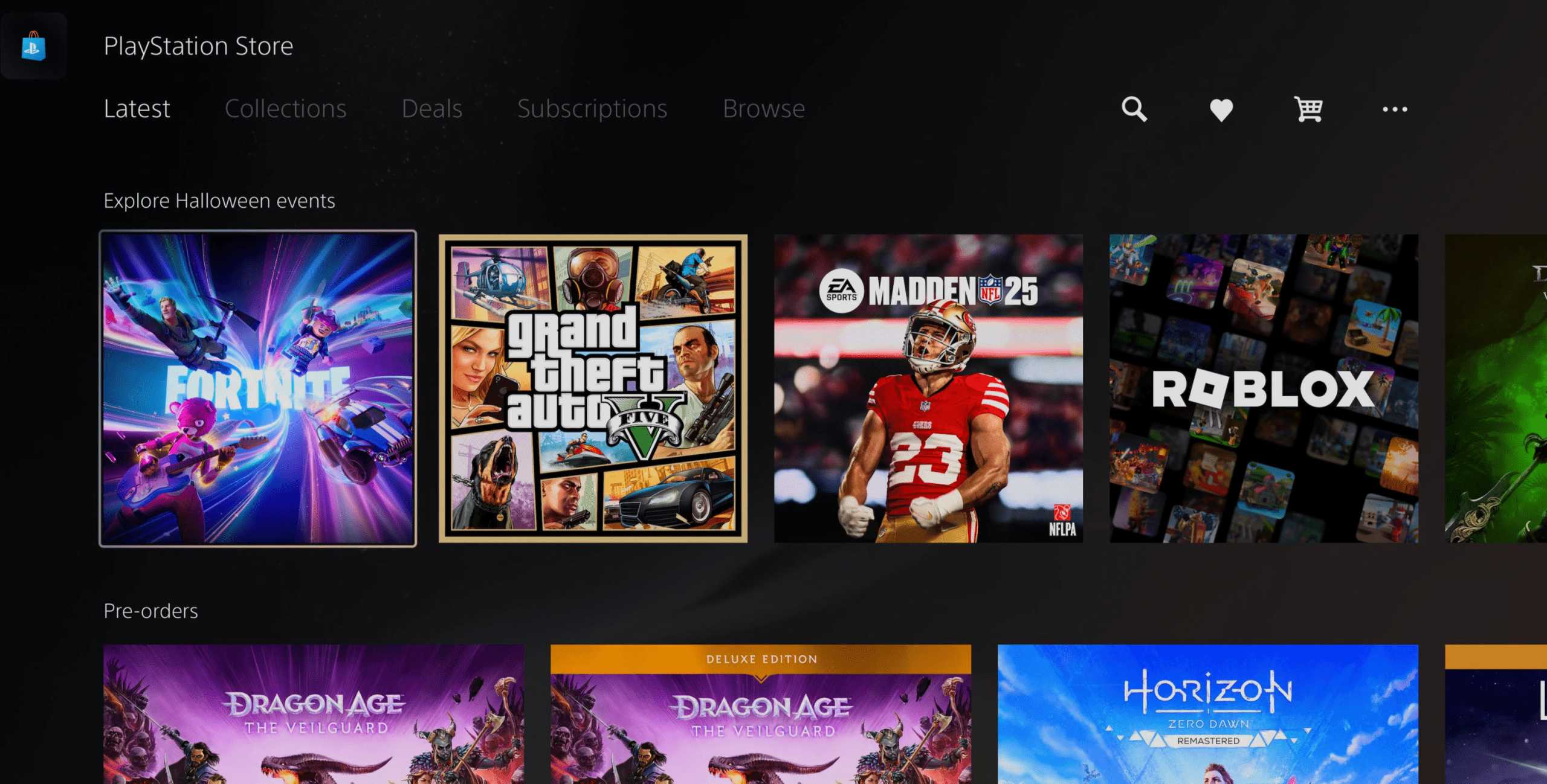
According to court filings, Sony’s strategy of consolidating sales through its PlayStation Store has proven lucrative. In 2021, Sony generated around US$17 billion in digital gaming revenues. That figure has since surged to US$31.5 billion in 2025, a 9% year-on-year increase, with most sales now coming from Sony-controlled online platforms.
The case is being pursued simultaneously in Australia and the United States, and has drawn the attention of rival console makers Microsoft and Nintendo, who also operate their own digital marketplaces.
While most international media attention has centred on the U.S. litigation, the Australian proceedings before Justice Moore are progressing separately. The judge’s rebuke indicates growing frustration with the applicant’s lack of momentum and resourcing.
In the U.S., the case reached a proposed US$7.85 million settlement in December 2024, but the court rejected it earlier this year. The U.S. judge found the deal inadequate because it offered store credits instead of cash compensation, failed to properly disclose how benefits would be distributed, and did not meet procedural requirements for class-action settlements.
Legal observers say both courts’ stances highlight a broader judicial concern over fairness and transparency in “coupon settlements,” which provide compensation redeemable only through the defendant’s own platform.
If the Australian class action succeeds, it could have far-reaching consequences for how digital gaming marketplaces operate — particularly where platform owners like Sony, Nintendo, and Microsoft control both the hardware (consoles) and digital storefronts.
Sources told ChannelNews that the Australian Competition & Consumer Commission (ACCC) is closely monitoring the case, given its potential implications for digital pricing and consumer choice.
Critics argue that by eliminating third-party digital code sales, Sony removed a key source of retail competition, leading to higher prices for gamers. Physical discs, sold by retailers such as JB Hi-Fi and EB Games, can often be discounted, but digital downloads purchased via console stores typically remain at full price.
Justice Moore’s comments suggest the Australian plaintiffs will need to demonstrate adequate progress and resources or risk being replaced or seeing the case weakened.
Meanwhile, in the U.S., plaintiffs have been given 30 days to revise their settlement proposal to meet court requirements — or continue litigation.