Is David Jones Anchorage Capital’s Next Dick Smith? Hilco Readies For Insolvency
 David Richards
25 Sep 2026
David Richards
25 Sep 2026
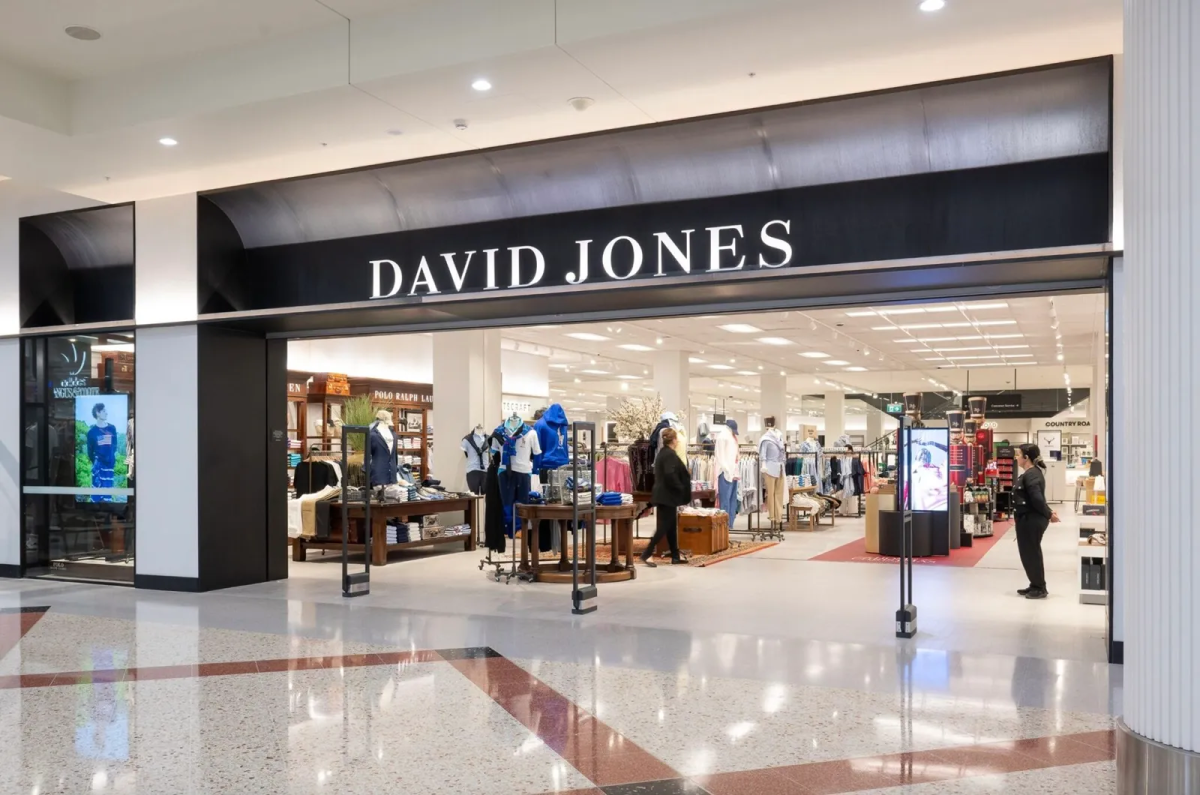
David Jones’ lender Hilco Capital has hired insolvency firm McGrathNicol to advise on its position, a move suppliers fear could end with the 188-year-old department store in administration or receivership and Anchorage Capital Partners chalking up another high-profile retail failure.
According to sources Hilco, David Jones’ primary lender, has lined up McGrathNicol and law firm Clifford Chance to begin early-stage preparations for an insolvency. People briefed on the matter told the paper that Clifford Chance partner Mark Gillgren and a McGrathNicol team have already met landlords, asking for rent cuts or the closure of underperforming stores.
What suppliers fear is receivership especially for those who don’t have trade insurance cover. 
David Jones has rejected talk that it is considering administration, and Anchorage has previously dismissed media commentary as “misinformed”.
Hilco Doesn’t Hesitate
Hilco has form for moving fast. Last week it acted against fashion retailer Cue over a $5m borrowing. It also moved on Mosaic Brands, owner of Millers, Rivers, Katies and Autograph, which collapsed in 2024 and was later liquidated.
If David Jones goes into administration, Hilco could move to dump millions of dollars of stock into the market to raise cash, a fire sale that would drag on pricing across other retailers.
That cash would go to employees and lenders, not suppliers. Between 8,700 and 9,000 jobs are at stake.
Suppliers Exposed
Brands ranged at David Jones include Jura, Smeg, Dreame, Sunbeam, Nespresso, Dyson, Philips, De’Longhi and Breville.
Appliance industry sources say credit at David Jones has been reined in after the retailer lost its creditor insurance cover last November. At least three suppliers walked away at that point. Insurers are now refusing to cover stock sent to the department store, and at least one major CE and appliance supplier has declined to ship as a result. Others are still supplying and carrying the risk themselves.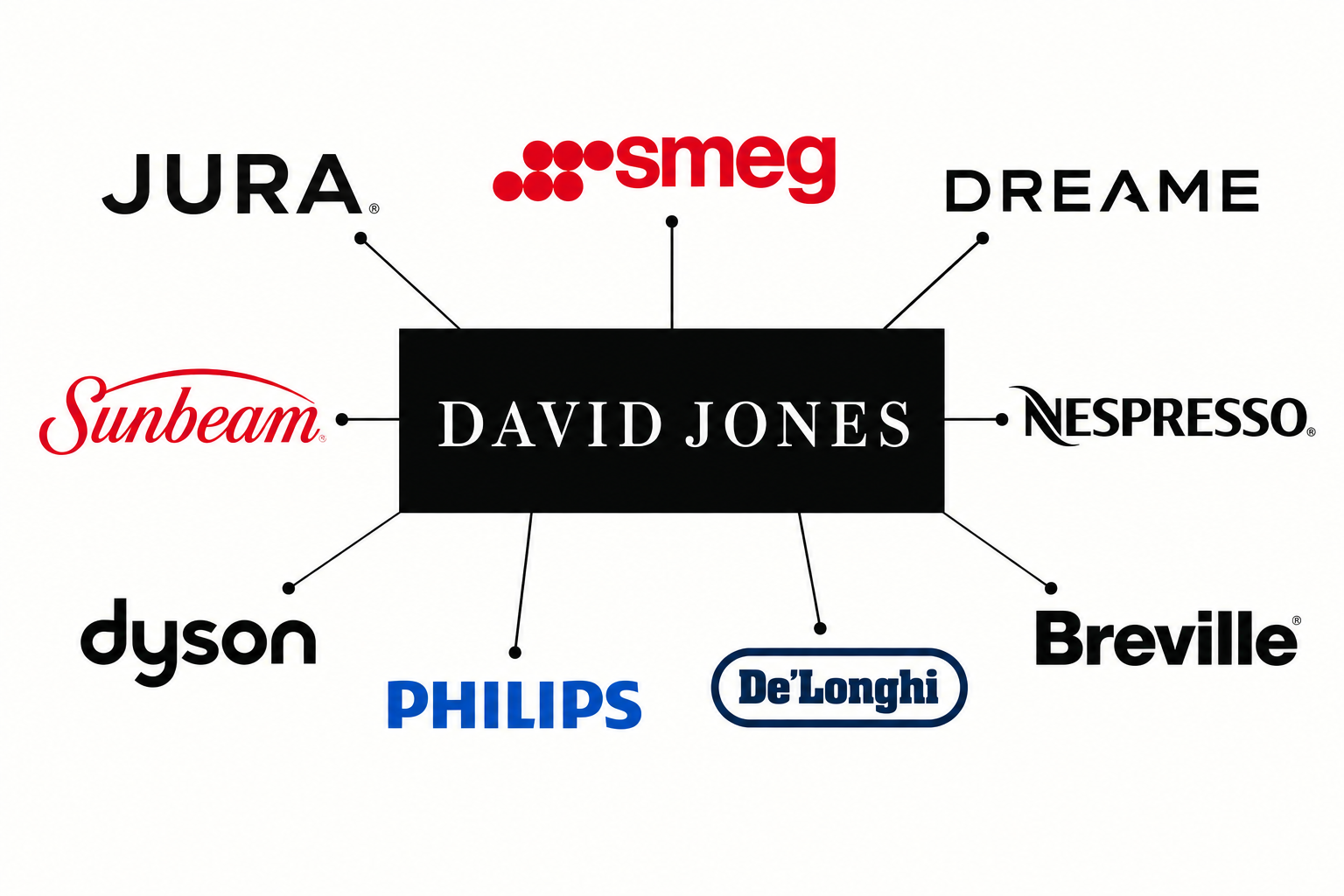
Late payments have dogged the business for months, souring relationships with brands that once did strong business through David Jones.
Payment terms have blown out from roughly two months in March to a proposed 20-week repayment schedule for outstanding invoices, put to suppliers by new CEO Erica Berchtold despite the recent refinancing. Berchtold conceded low inventory after winter trading was behind the proposal.
The Numbers
South Africa’s Woolworths Holdings paid around $2.1bn for David Jones in 2014. Anchorage picked it up in 2023 for a reported $92.5m to $100m.
ASIC filings show a net loss of $74.4m in FY24 on gross sales of $2.2bn. For FY25 the business reported a pre-tax loss of $95.5m on EBITDA of $176.5m, its second consecutive year of losses.
Berchtold replaced Scott Fyfe as CEO in June, alongside a new three-year asset-backed lending facility with Hilco. Hilco took over the existing facility held by Gordon Brothers and Nomura, reportedly adding $30m to $40m in funding.
That sits awkwardly with Anchorage’s claim in April that it had recapitalised David Jones with a $190m facility running to late 2028 and that the business was “debt-lean”.
Shrinking Network
Industry sources suggest the network could shrink from 38 stores to around 20 over time, following closures at Castle Hill, Tuggerah and Mandurah.
The Dick Smith Playbook
Anchorage has been here before.
Woolworths put Dick Smith up for sale in 2012 as part of a restructure. Anchorage bought it for $115m, with only $20m paid upfront. Nick Abboud was appointed CEO in November 2012, and in December 2013 Anchorage floated the business on the ASX at a reported $520m market capitalisation.
Forager’s Steve Johnson called the float the “greatest private equity heist of all time”, and the SDA union told a Senate inquiry the chain had been stripped of cash. Anchorage told the same inquiry it had left the business in good financial shape.
The collapse came fast. A $60m inventory write-down landed on 1 December 2015, two months after Abboud had guided to FY16 net profit of $37m to $43m. Lenders refused to extend further inventory credit or restructure the debt, and Dick Smith went into voluntary administration on 4 January 2016. Abboud stood down on 11 January.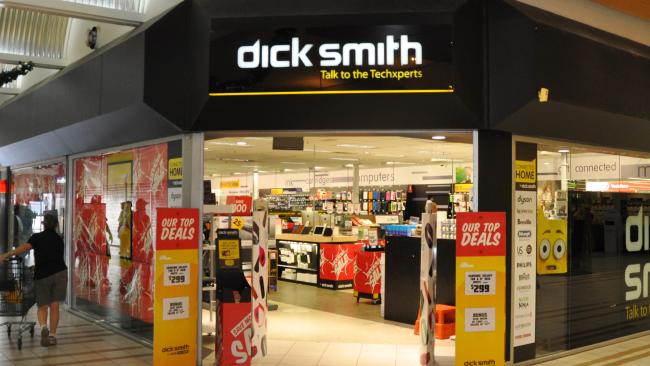
More than 3,000 jobs went and the brand was sold to Kogan. Abboud went on to become CEO of Cheap As Chips, which also went into administration on his watch.
The administrators appointed to Dick Smith were McGrathNicol, the same firm now advising Hilco on David Jones.
Where David Jones Differs
Unlike Dick Smith, Anchorage has not floated David Jones, so there are no retail shareholders left holding the bag. The exposure sits with suppliers, landlords, staff and Hilco.
The pattern to watch is the one that killed Dick Smith: a lender refusing further inventory credit going into Christmas. The run into summer trading is the pressure point.