Is Apple’s Second Home Automation Push Already A Dead Deal
 David Richards
14 Oct 2026
David Richards
14 Oct 2026
They have failed previously, now Apple is having another crack at trying to be taken seriously in the Smart House market despite competitors such as Google, Samsung and Amazon having a major advantage and years of experience over the iPhone maker.
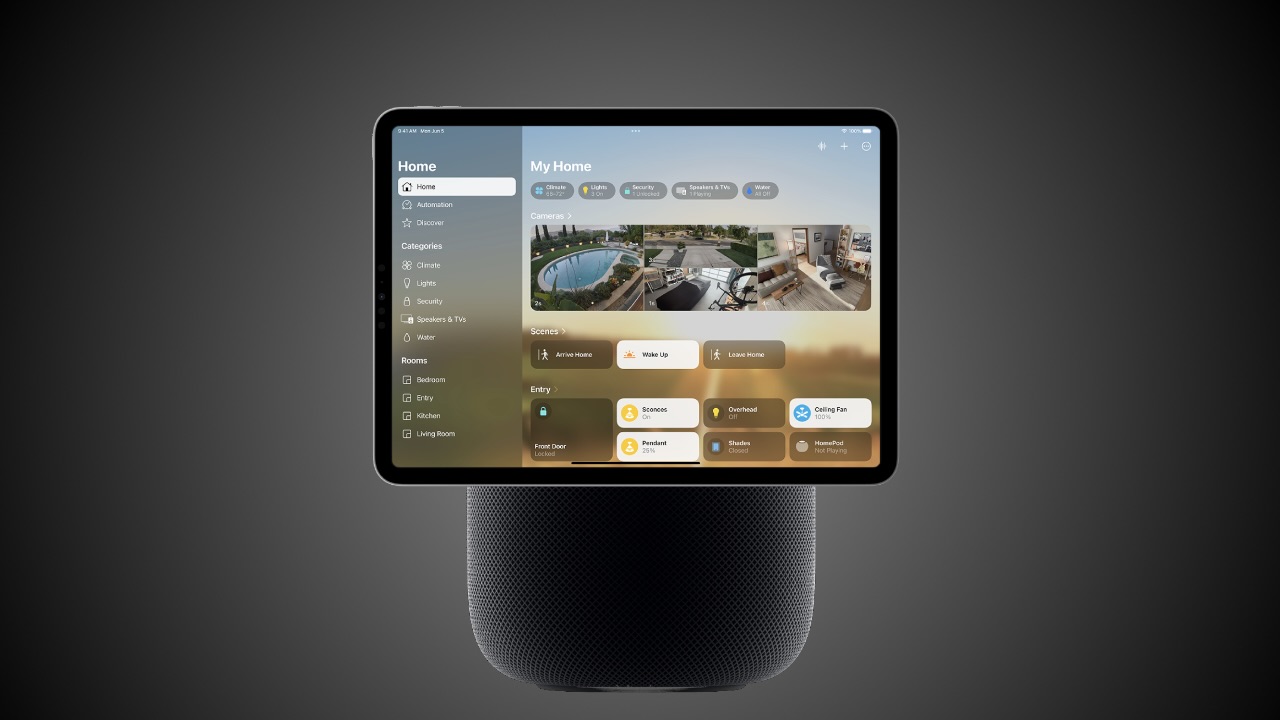
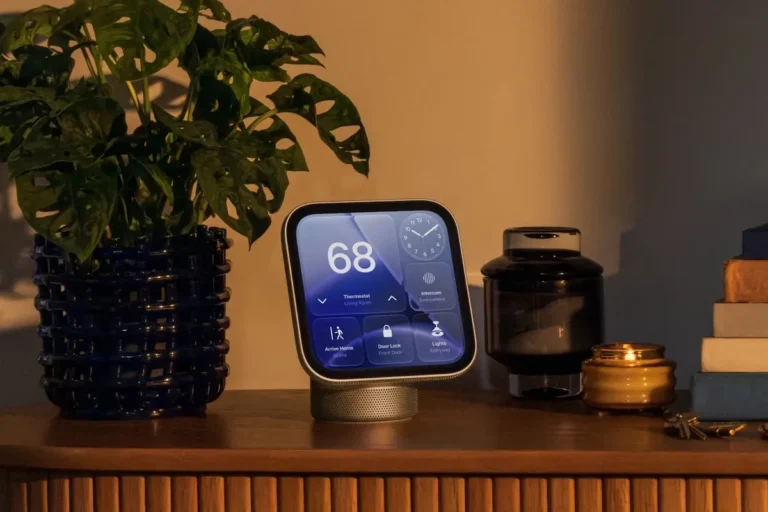
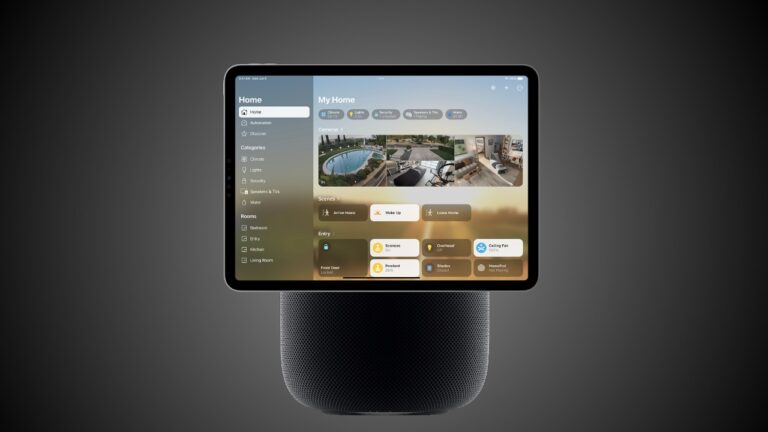
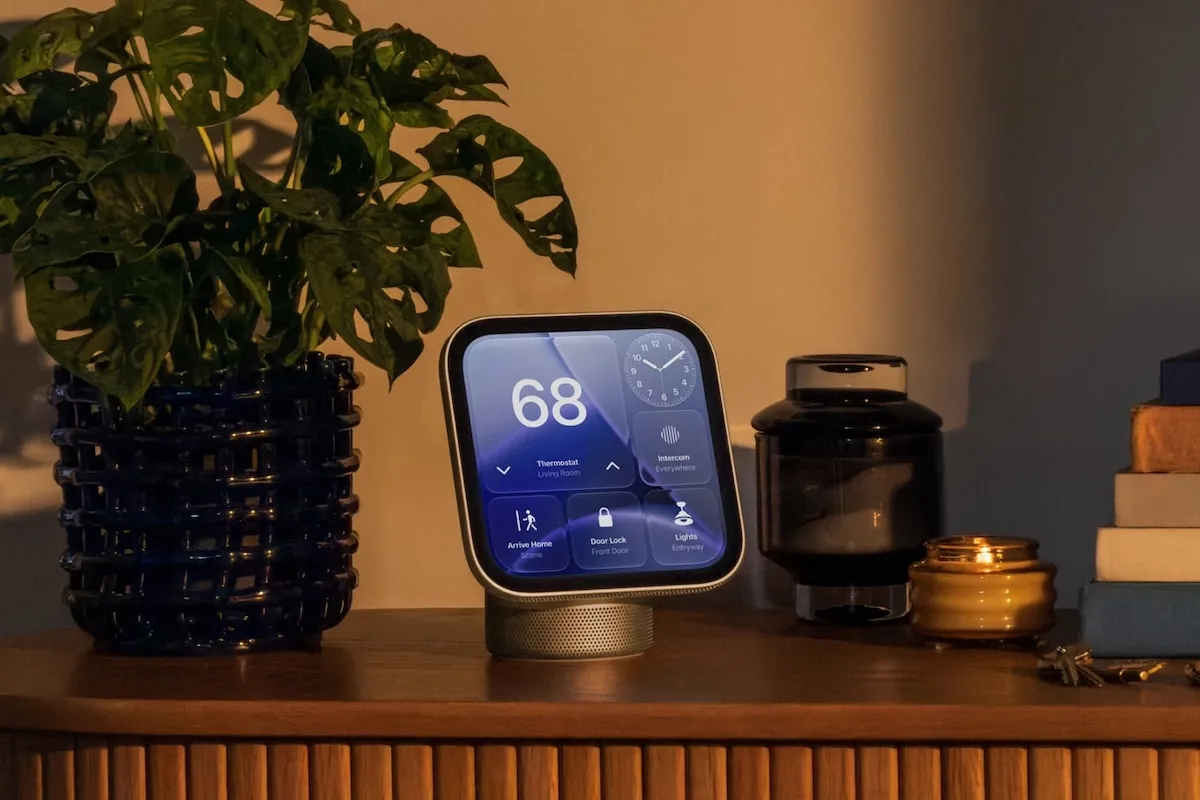
Overnight Apple has finally unveiled its long-awaited HomeView smart home display, with the US technology giant making a serious attempt to challenge Samsung SmartThings, Amazon Alexa and Google Home for control of the connected household.
The move is seen by analysts as being one of the company’s most ambitious attempts to establish a foothold in the smart home market, but the US technology giant is entering an increasingly crowded business where Samsung, Google and Amazon have spent years building ecosystems involving hundreds of manufacturers and thousands of connected products with very few other than LG Electronics who have no track record in this market suddenly an Apple partner despite selling directly none of the products now being spruiked by Apple.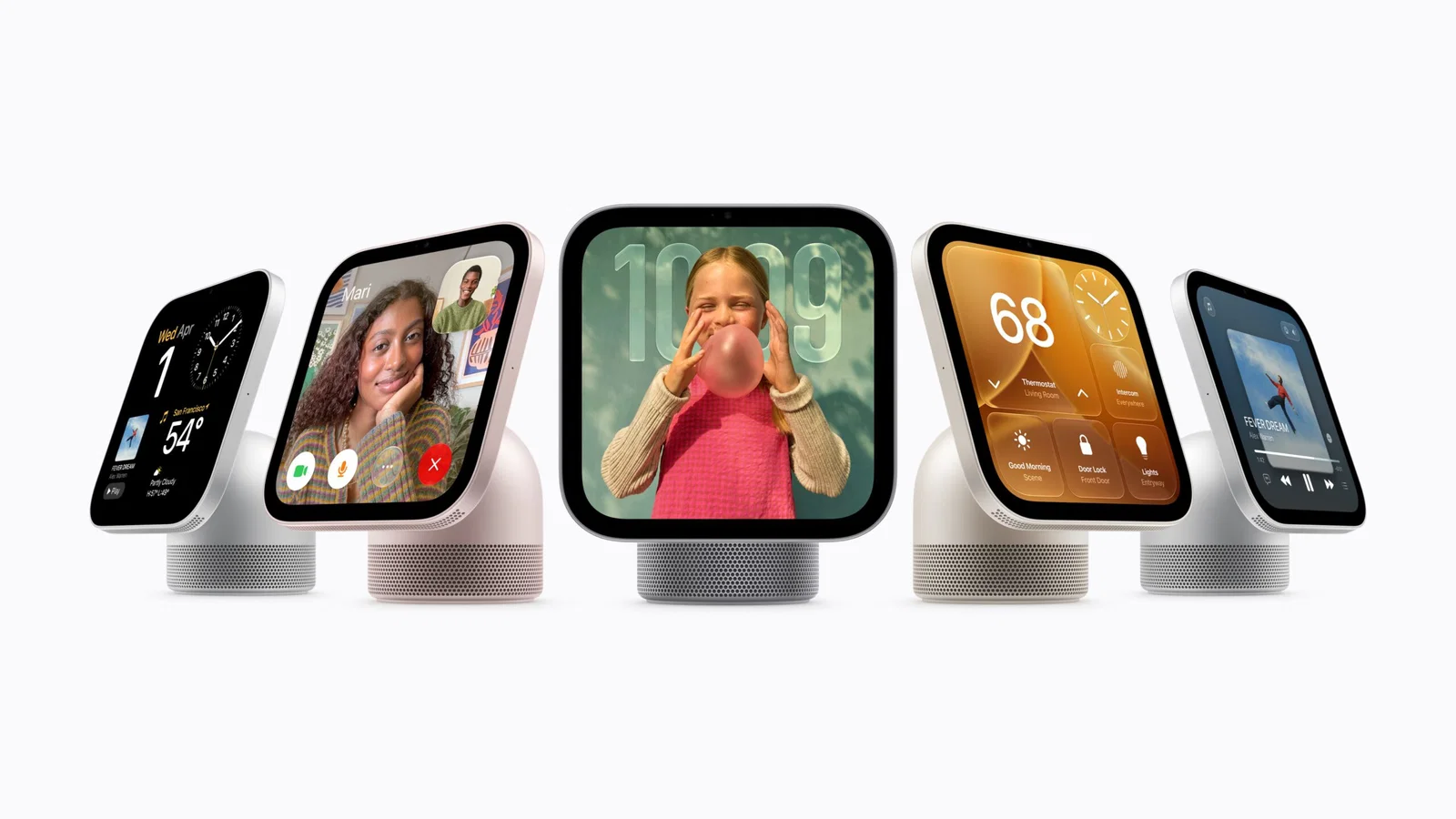
The challenge for Apple is not simply to convince consumers to spend A$449 on another smart display.
It is to persuade households that already own connected televisions, appliances, security cameras, smart speakers, lighting systems and automation equipment that Apple’s ecosystem offers something substantially better despite the core of the system Siri their voice activation system being seen as a poor offering compared to their competitors.
For retailers the product is brilliant with consumers set to flock to stores to take a peek at the new Apple offering and whether they buy the traffic increase is valuable.
Unlike the smartphone market, where Apple controls both hardware and software, the smart home market is fragmented, with consumers increasingly buying products from multiple manufacturers.
Samsung’s SmartThings platform, Amazon’s Alexa ecosystem and Google Home already support extensive ranges of third-party devices, many of which are considerably cheaper than Apple’s proposed hardware.
And while Apple has the advantage of a substantial installed base of iPhones, iPads, Apple TVs and HomePods, it faces the difficult task of turning those devices into a compelling whole-of-home automation platform.
The biggest question is whether Apple’s artificial intelligence and personalised user experience will be enough to convince consumers to change how they manage their homes.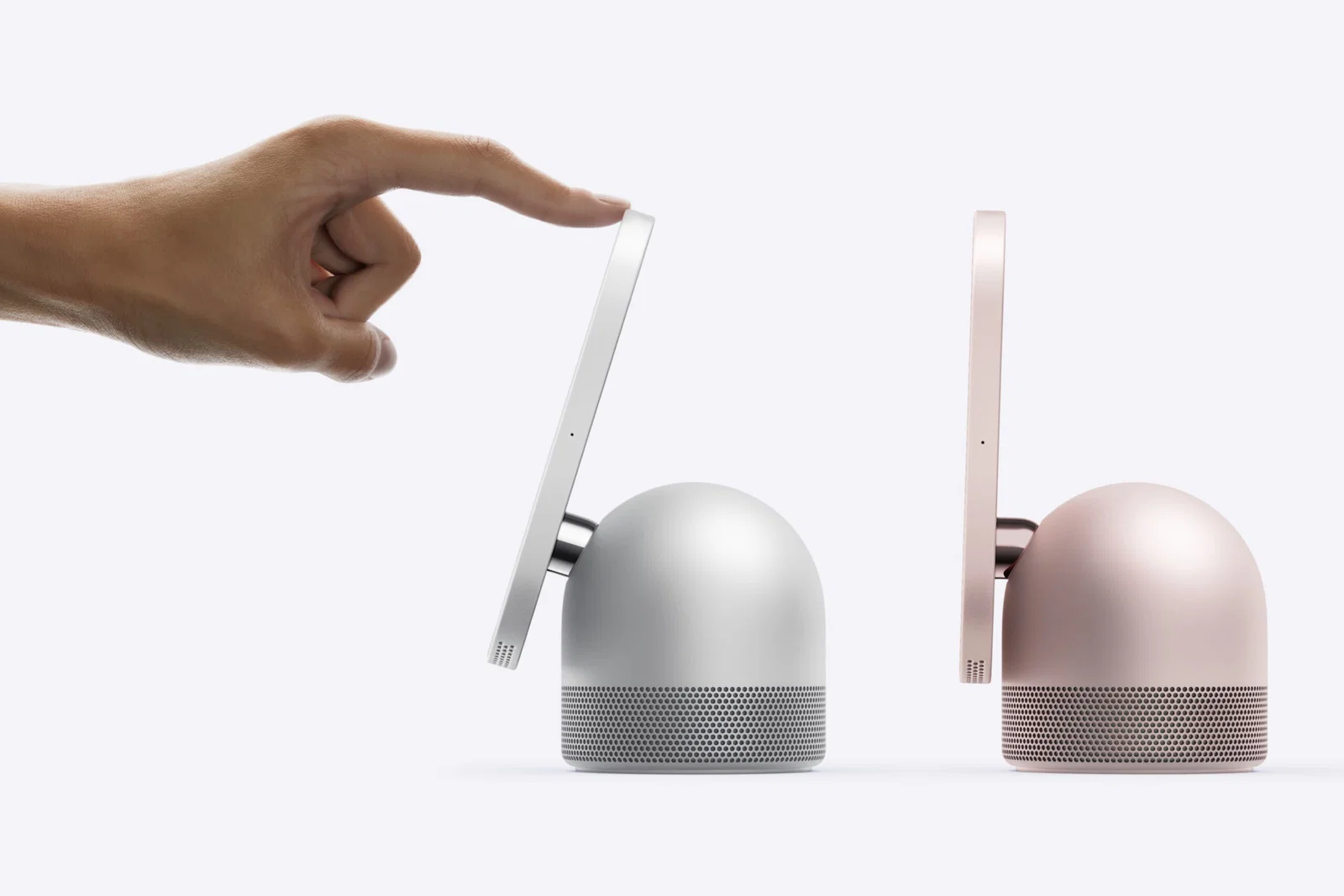
The four major competitors Apple must overcome
Samsung SmartThings: The biggest whole-of-home ecosystem challenge
Samsung claims 470 million registered SmartThings users and compatibility with more than 430 certified brands worldwide.
Its advantage is that the smart home controls are already integrated into Samsung televisions, refrigerators, appliances and smartphones. Samsung also supports third-party products, Matter and local automation.
Unlike Apple, Samsung does not necessarily need to sell a dedicated A$449 display to put a control screen in the home.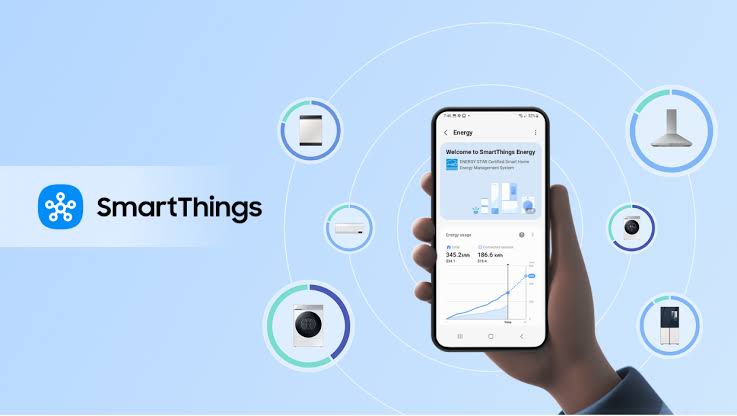
Amazon Echo Show and Alexa : The price and security challenge
Amazon has a mature voice assistant ecosystem, Echo displays, Ring security cameras, Blink cameras and extensive third-party support.
Many Echo displays have historically been cheaper than HomeView’s A$449 price.
Amazon can also combine hardware sales with security subscriptions, shopping and digital services.
Apple will have to justify a premium price against hardware consumers already know how to use.
Google Nest Hub and Google Home : The AI challenge
Google has years of experience with connected home displays, Google Assistant, Nest cameras, thermostats and Android devices.
Google’s Gemini technology also presents a direct challenge to Apple’s new Siri AI. Google already has experience with personalised smart displays and voice-controlled home management.
Apple’s advantage may be tighter integration with personal information held on an iPhone, but Google’s broader platform compatibility remains significant.
Home Assistant and specialist automation systems : The flexibility challenge
Home Assistant, Aqara, Philips Hue, and Tuya-based platforms and professional automation systems such as Savant and Control 4 provide consumers with extensive choices.
Some offer more sophisticated automation, local control and support for devices that Apple Home does not directly accommodate.
Their attraction is the ability to build a system around different manufacturers rather than committing to one technology company’s ecosystem.
The HomeView is priced at A$449 in Australia, with pre-orders already open and deliveries beginning on 13 November.
What Apple wants to become is a dedicated household control centre, powered by artificial intelligence, that can manage security cameras, smart locks, lighting, heating, entertainment and personal information.
Apple is also backing the launch with a new range of connected home products developed with LG Electronics and Schneider Electric.
Already questions are emerging about pricing, additional installation costs and how well Apple’s system will compete with established smart home platforms.
Analysts claim that one big problem is that the Australian market is already saturated with security cameras, and products that Apple is now spruiking many that are significantly superior to what Apple is offering.
The question is whether consumers will dump existing products for a questionable Apple product.
Australian pricing
These are Apple’s confirmed Australian recommended retail prices, including GST.
Product Australian price
Apple HomeView tabletop A$449
Apple HomeView wall mounted A$449
Schneider USB-C wall mount A$94.95
Schneider hardwired AC mount A$124.95
Schneider PoE wired mount A$199.95
The wall mounted model costs the same as the tabletop version, but the mounting hardware and required power accessories are sold separately.
That means the basic wall installation starts at A$543.95, before any additional power adapter or professional installation costs.
The Power over Ethernet mount will not become available until early 2027.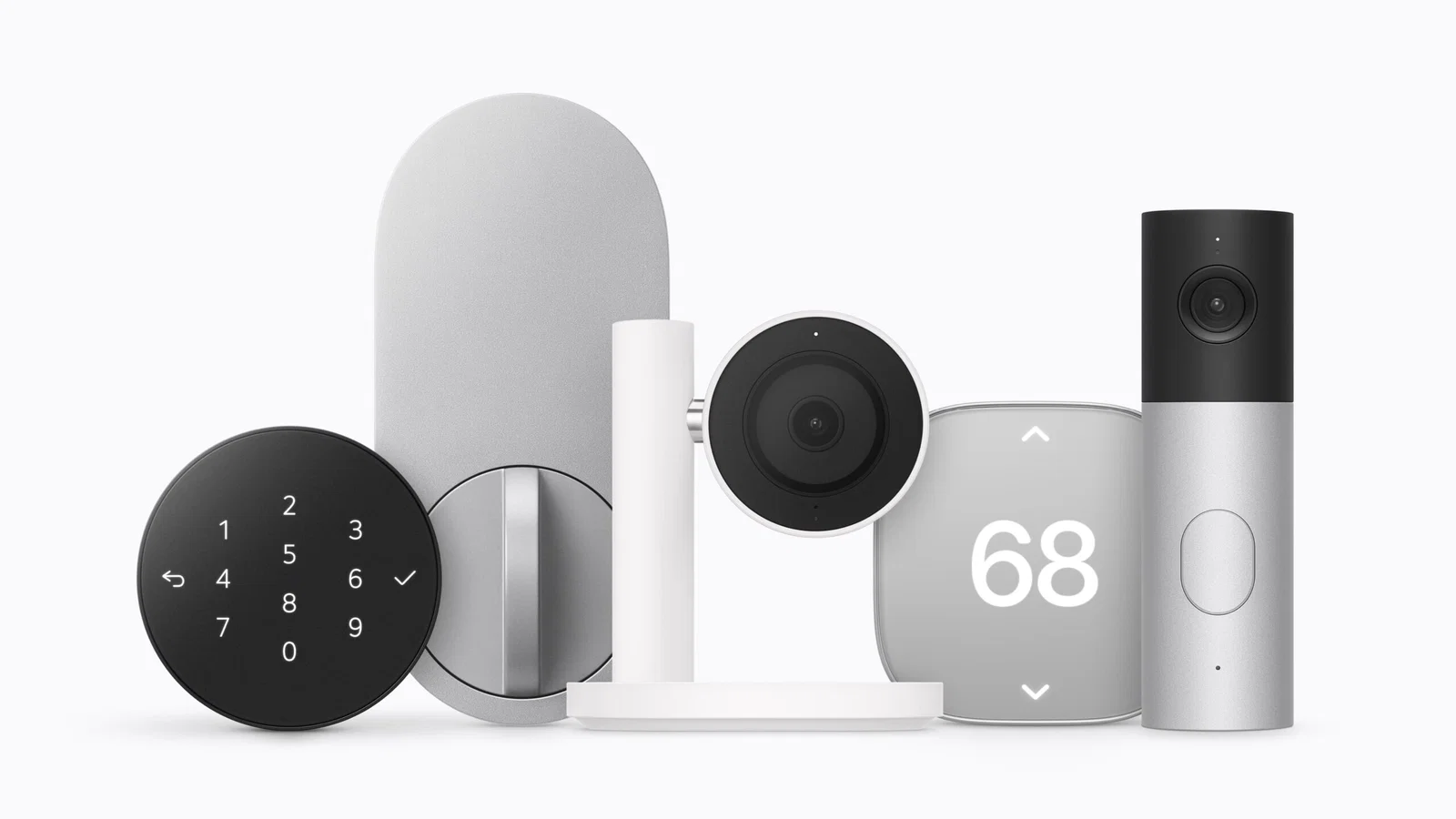
One of the more interesting commercial developments is Apple’s relationship with LG Electronics.
LG has helped develop a range of smart home products that integrate with Apple’s ecosystem despite having no track record in many of these markets.
US launch prices have been announced, but official Australian retail prices for the collection have not been confirmed.
For Australian market comparison, the following are indicative A$ conversions of US prices.
LG Indoor security camera A$299
LG Video doorbell A$374
LG Outdoor security camera A$449
LG Outdoor camera with floodlight A$599
LG Smart door lock A$524
LG Smart thermostat A$299
For LG, the partnership potentially creates an entirely new business selling smart home accessories however their biggest threat is Samsung who have been selling smart locks in Australia for decades and have their own OS.
LG’s arch rival has spent years developing SmartThings as a connected home platform, integrating televisions, appliances, sensors, security products and third-party devices.
Apple is taking a different approach.
Rather than relying on consumers to open an app on their smartphone, HomeView provides a dedicated screen that can sit in the kitchen, hallway or living room.
The key competitive difference is Apple’s combination of facial recognition, personal data, entertainment services and artificial intelligence.
However, Samsung retains substantial advantages in appliance integration and its existing smart home ecosystem.
Apple has yet to demonstrate that HomeView can match SmartThings across the full range of household devices.
There is also the question of whether consumers want to pay A$449 for another screen when they already have an iPhone or iPad.