Intel Tipped to Bring Nvidia RTX Graphics into Future ‘Serpent Lake’ Laptop Chips
 Joe Gallop
08 Apr 2026
Joe Gallop
08 Apr 2026
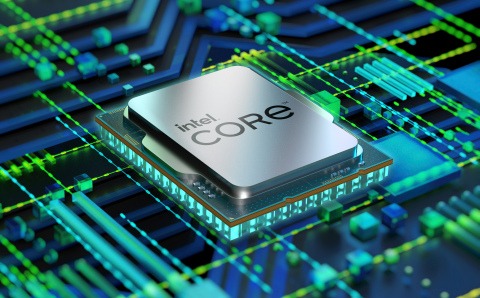
A new leak suggests Intel could reshape the laptop processor market later this decade, with plans to integrate Nvidia RTX-class graphics directly into future CPUs.
According to prominent tipster Jaykihn, Intel’s rumoured ‘Serpent Lake’ chips, which are expected around 2028–2029, will combine Intel’s next-generation CPU architectures with Nvidia GPU technology in a single system-on-chip (SoC).
If accurate, the move signals an expanding partnership between the two companies and a significant strategic shift for Intel.
Serpent Lake is believed to be a derivative of Intel’s future Titan Lake platform, featuring a hybrid CPU design with up to eight performance cores and 16 efficiency cores.
The standout change is the reported inclusion of Nvidia RTX GPU ’tiles’, potentially replacing Intel’s in-house Arc graphics for this product line.
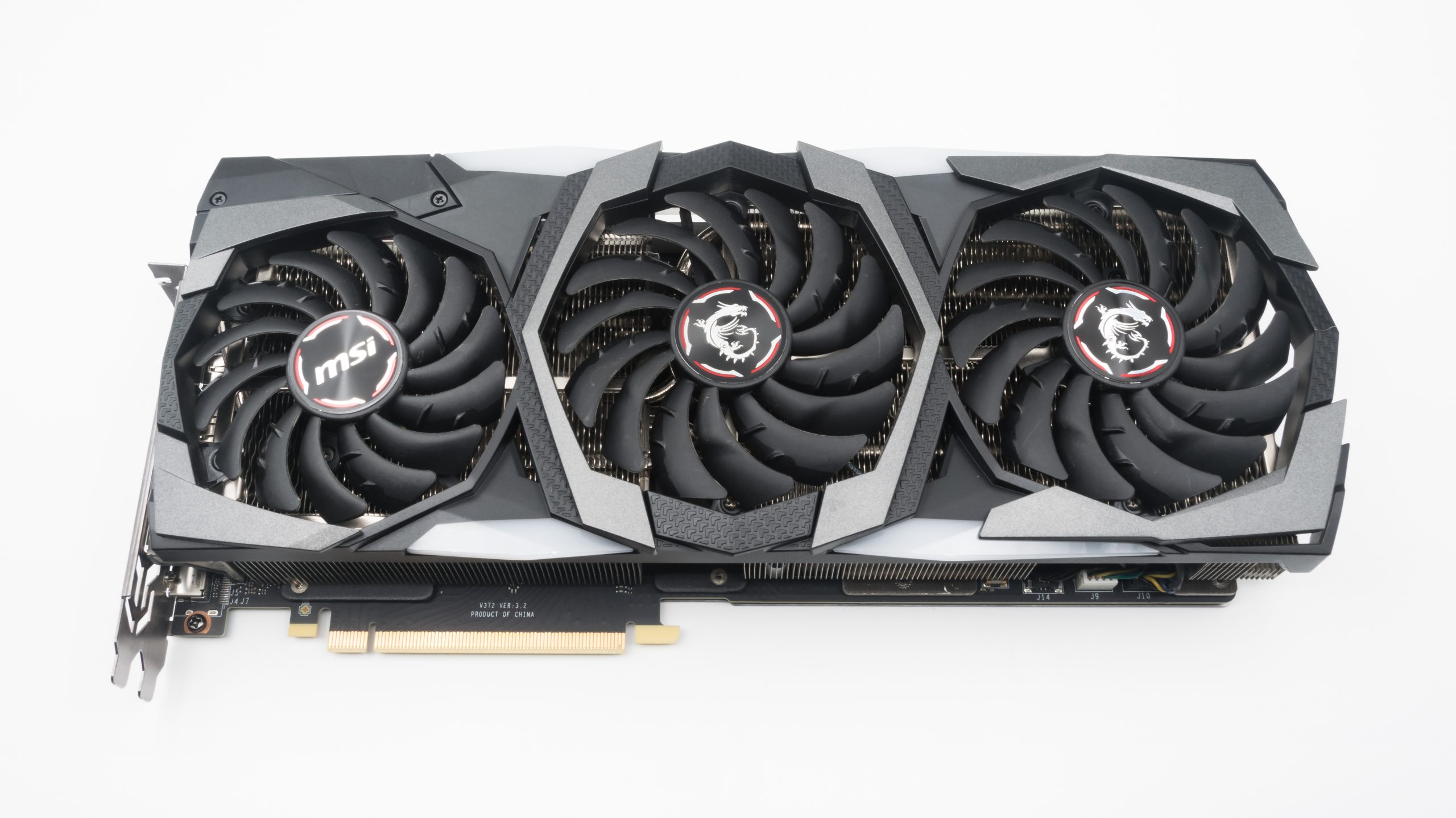
The integration could deliver major performance and efficiency gains. By placing CPU and GPU components on the same package, data transfer speeds improve while power consumption drops – opening the door to thin-and-light laptops capable of near desktop-class gaming and AI workloads without discrete graphics cards.
The chips are also tipped to support advanced LPDDR6 memory configurations, addressing bandwidth limitations that have traditionally constrained integrated graphics performance.
Intel’s broader roadmap still includes Nova Lake (2026), followed by Razer Lake and Titan Lake, before Serpent Lake arrives. By then, Nvidia’s GPU architecture could be based on its next-generation ‘Rubin’ designs.
While pricing and exact use cases remain unclear, the implications are significant. An Intel CPU with built-in RTX graphics could challenge AMD’s high-end APUs and redefine expectations for premium laptops, and possibly even edge AI systems.