HP PC Revenue Jumps 14% As Unit Sales Plunge 29%
 David Richards
26 Nov 2026
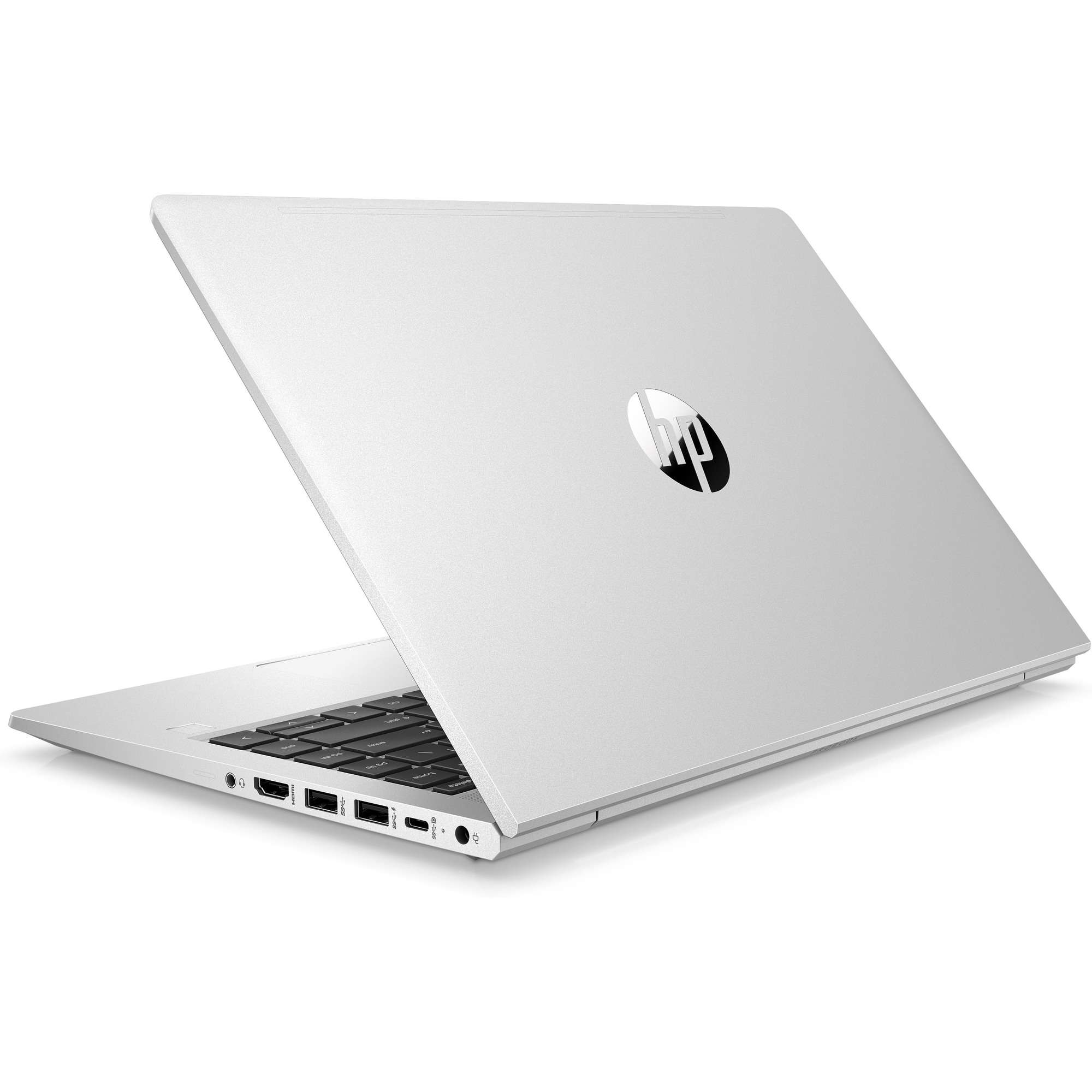
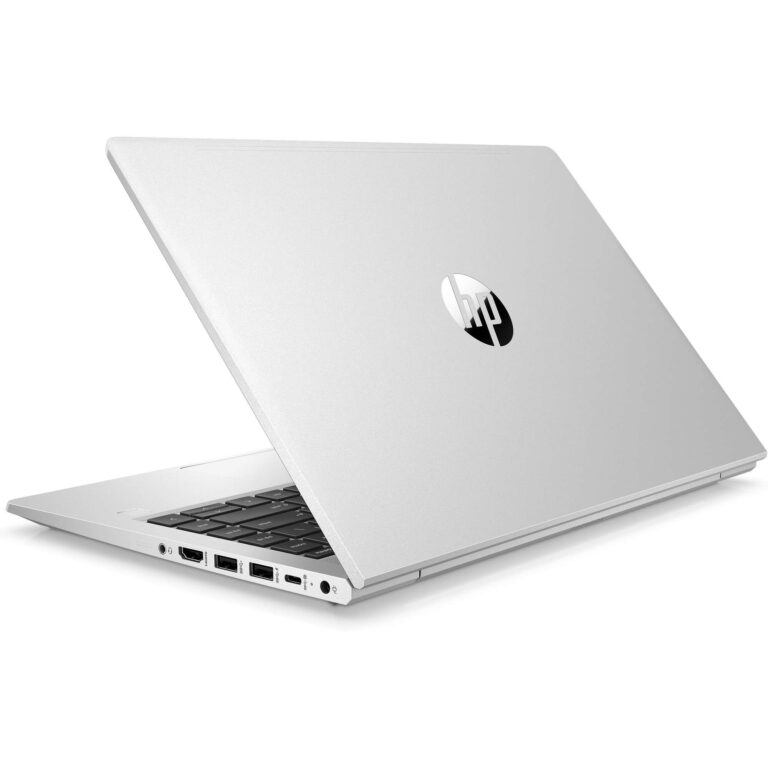
HP’s PC business lifted revenue 14% to US$11.8 billion in the fourth quarter despite shipping 29% fewer machines, as soaring memory costs and price rises drove up the average selling price of its notebooks and desktops.
The result, which comes days after rival Lenovo reported strong PC growth, was accompanied by a warning from interim Chief Executive Bruce Broussard that channel partners had reported “slower sales and higher inventory levels” in the back half of the quarter.
HP, a key supplier to JB Hi-Fi and Harvey Norman, is now selling far fewer machines at much higher prices, while its profit is being squeezed by rising component costs and tougher price competition.
Shares in the company fell more than 3% overnight. Although earnings beat forecasts, investors focused on a cautious fiscal 2027 outlook and ongoing margin pressure in HP’s core Personal Systems business.
Fewer Units, Higher Prices
Consumer unit sales fell 31% and commercial units dropped 28%.
AI PCs accounted for nearly 60% of shipments in the quarter, ahead of expectations, Broussard said.
Revenue from the Personal Systems division rose 14%, while printing revenue declined 1%.
Memory Costs Bite
Memory and storage costs climbed to about 40% of the bill of materials by the fourth quarter, up from 15% to 18% at the start of fiscal 2026.
Operating margin fell to 5.3%, down from 6.6% a year ago.
HP pointed to tougher price competition, continued component cost rises, softer demand and rising channel inventory. Broussard said the company was taking steps to address memory and storage cost pressures.
Analysts said HP is growing revenue in a shrinking unit market by pushing commercial machines, AI PCs and higher prices, while weak consumer demand and memory costs are eating into its PC margins.
Asia Pacific Growth
Sales in Asia Pacific and Japan rose 8.3% as reported, or 10.3% in constant currency, in line with HP’s 10% growth in the US.
The regional growth comes against a weak outlook. IDC projects traditional PC shipments in Asia Pacific will fall 13.7% to 92.0 million units in 2026, citing ongoing component shortages, rising prices and waning demand following the 2025 refresh cycle.
Cautious Outlook
Chief Financial Officer Karen Parkhill said HP had taken a prudent approach to guidance for the year, reflecting continued cost and demand pressures.
“We have a strong track record of addressing challenges and are confident in our ability to drive improvement in our profitability throughout the year,” Parkhill said.