How Hisense Is Quietly Winning Australia’s Appliance & TV War While Rivals Lose Ground
 David Richards
24 Jul 2026
David Richards
24 Jul 2026
Whether it’s televisions, refrigerators, robotic vacuum cleaners or soon audio products, Chinese brands are steadily stripping market share from traditional Japanese, South Korean and European manufacturers. Few have executed that strategy better than Hisense Australia.
Once dismissed as a value television brand, Hisense has quietly transformed itself into one of Australia’s fastest-growing consumer electronics and appliance businesses.
Today the Melbourne-based operation generates roughly half of its revenue from televisions and the other half from whitegoods, a remarkable shift for a company that only a few years ago was known almost exclusively for TVs.
The company also owns premium appliance brand ASKO, controls Toshiba televisions in several markets and is preparing to enter the Australian personal audio market with new wireless earbuds.
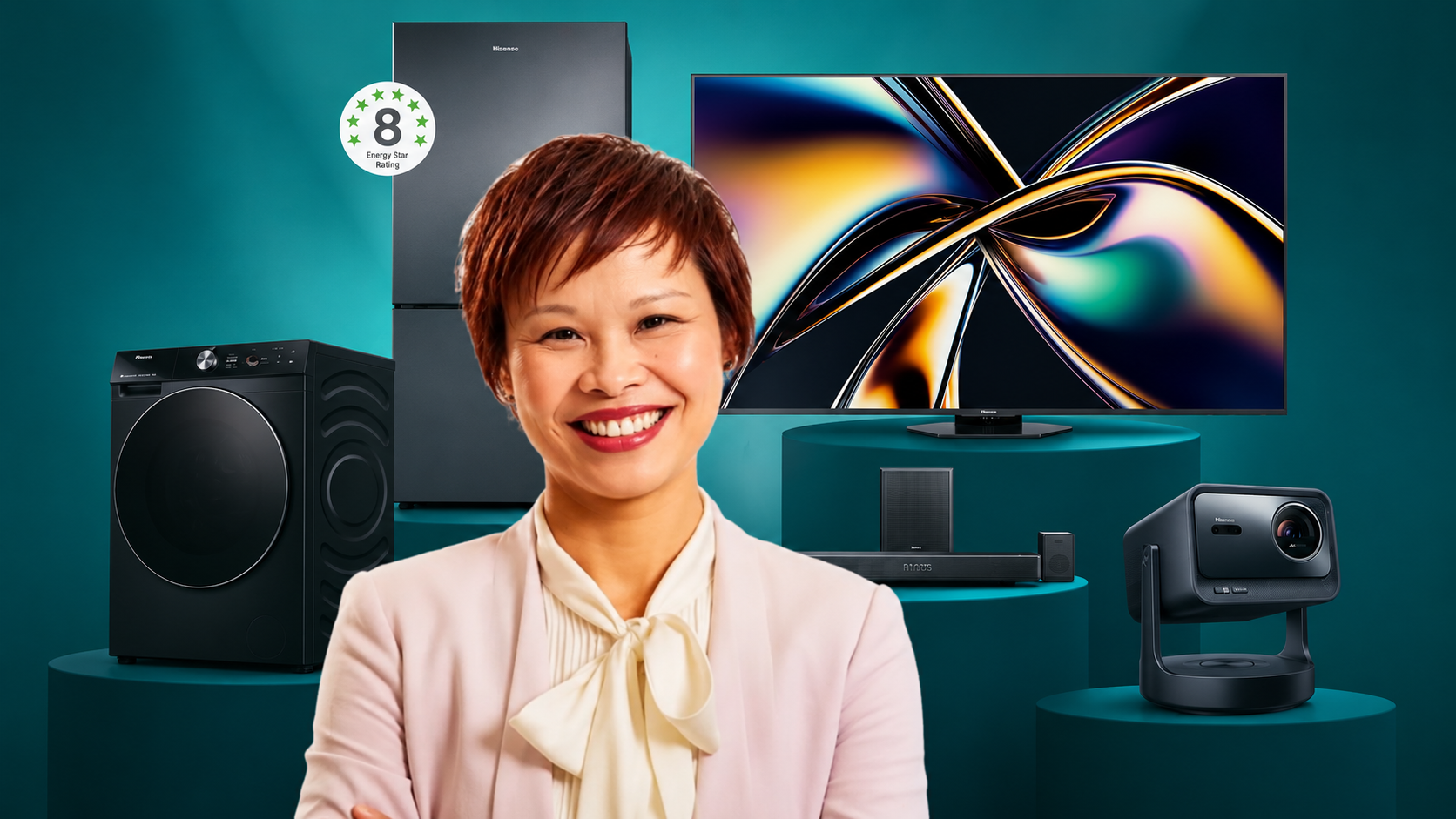
This week I sat down with Hisense Australia’s General Manager of Marketing Michelle Wee (seen above) to understand why Chinese brands continue to win while many established rivals appear to be losing momentum.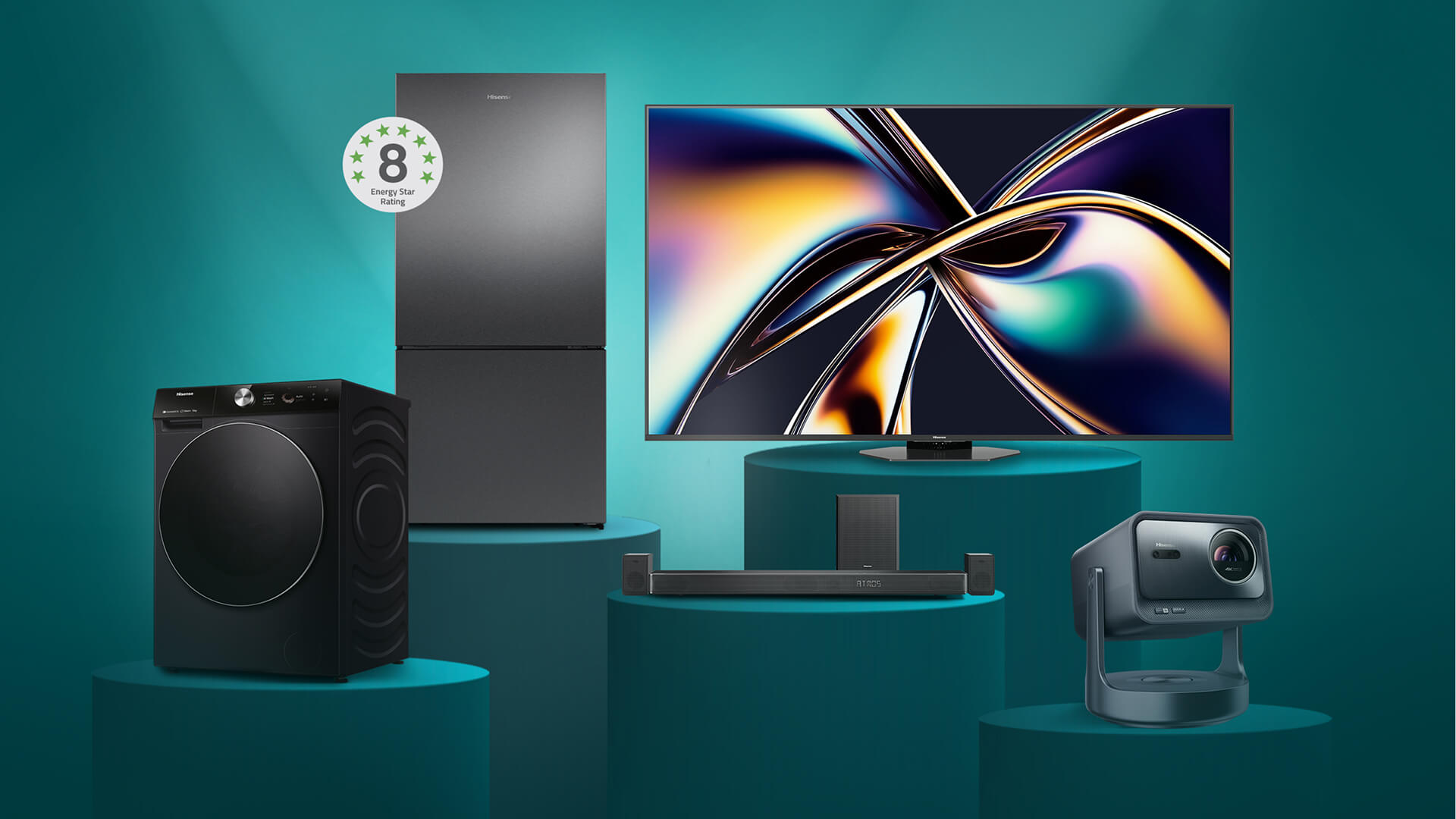
Her answer was blunt.
“We have recognised that consumers have far more intelligence today when they go to buy a product. At Hisense it’s not about what we think consumers want, it’s about understanding what consumers actually want.”
It is perhaps the clearest explanation yet of why brands such as Hisense, TCL and Haier continue to gain ground.
For years many established manufacturers dictated to consumers what products they believed the market should buy.
Hisense has reversed that model by concentrating on features consumers actually value while pricing products below comparable premium rivals and also having the manufacturing clout to compete cost effectively.
The result is what retailers now describe as “affordable premium”, products that look and perform like premium offerings without carrying premium price tags.
Innovation has also become a key weapon.
Without naming competitors, Wee suggested several established brands have lost their appetite for innovation.
Market data indicates Hisense has steadily taken share from Samsung, LG Electronics and several Japanese and European brands, while also outperforming some Chinese rivals.
The bigger question is whether Australia’s consumer electronics market is genuinely growing or whether manufacturers are simply stealing customers from one another.
Wee believes execution is now more important than ever.
“It’s about execution strength and influencing the purchase journey through information marketing,” she said.
That philosophy was evident when Hisense recently unveiled its 2026 television range in Sydney.
The company is betting heavily on RGB Mini LED technology, expanding the technology across more screen sizes and price points while planning to launch a new UXS Sky Blue LED model later this year.
According to Wee, educating consumers has become almost as important as selling the products.
Twenty years ago consumers simply compared Plasma against LCD televisions.
Today buyers face OLED, QLED, Mini LED, QD Mini LED, RGB Mini LED, Laser TV and Micro LED, technologies that even experienced retail sales staff sometimes struggle to explain.
Hisense believes that confusion works in favour of brands capable of educating customers rather than simply advertising to them.
The strategy also aligns with one of the company’s biggest global strengths.
According to Omdia, Hisense has been the world’s number one supplier of televisions measuring 100 inches or larger for three consecutive years, capturing 57.1% of the global market during 2025. It has also retained the global number one position in Laser TV for seven consecutive years with a market share exceeding 70%.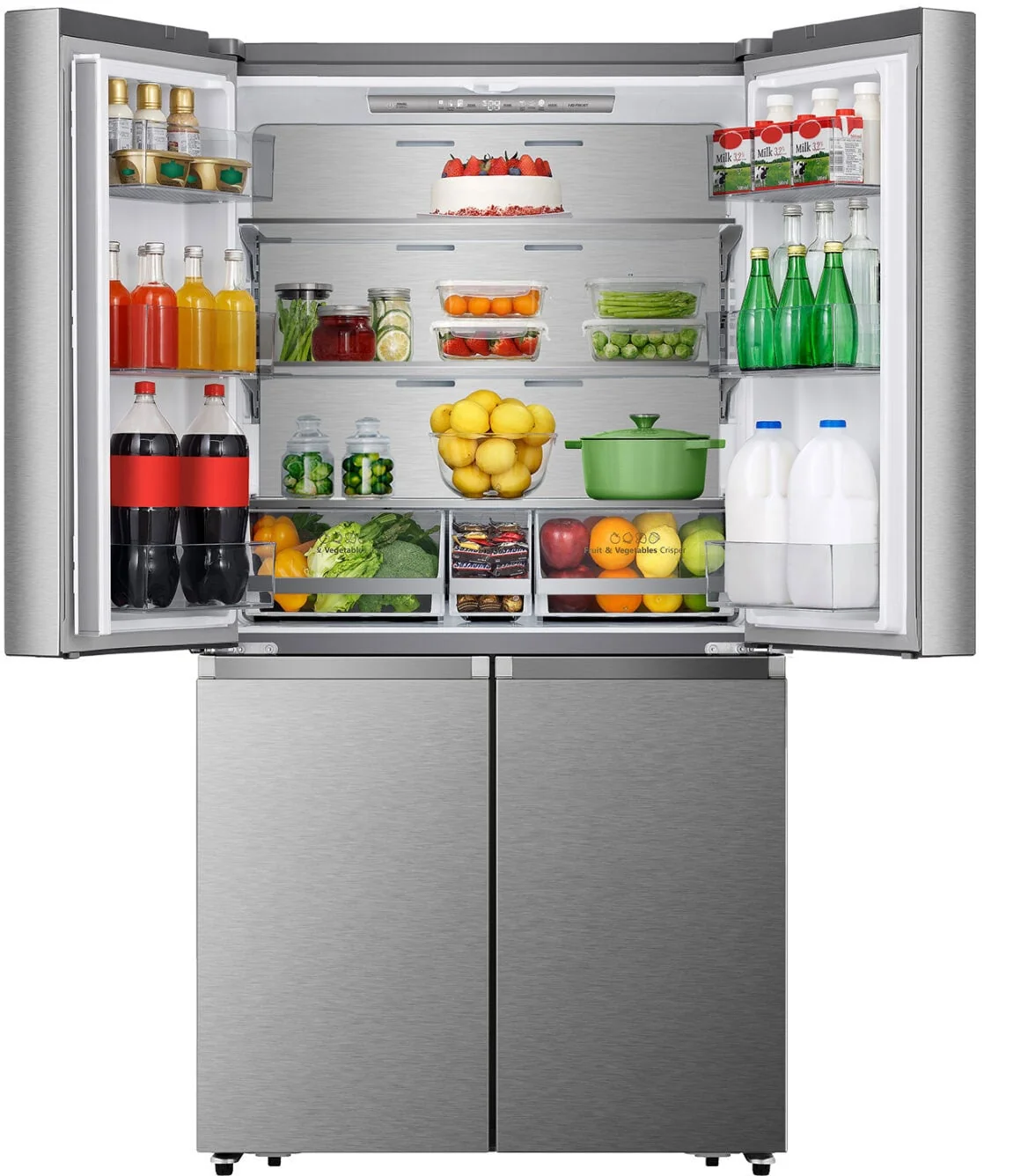
Large-screen televisions are becoming a significant battleground in Australia.
While logistics remain difficult for retailers delivering 100-inch televisions into suburban homes, Hisense believes Laser TV technology offers an attractive alternative by delivering screen sizes up to 150 inches without the transport and installation challenges associated with giant LCD panels.
“All brands are facing issues in the TV market,” Wee admitted.
Despite softer demand across the television category, Hisense believes RGB Mini LED and Laser TV will underpin its next stage of growth.
Its ambitions, however, extend well beyond televisions.
Perhaps the company’s most impressive achievement has been in appliances.
Hisense has quietly become one of Australia’s fastest-growing whitegoods suppliers by applying exactly the same strategy that helped build its television business, premium styling, extensive features and aggressive pricing.
Unlike Samsung and LG, which entered Australia through televisions before gradually expanding into appliances, or Haier and Midea, which initially competed heavily at the budget end of the market, Hisense deliberately positioned itself between mainstream and premium.
Refrigeration has become the cornerstone of that strategy.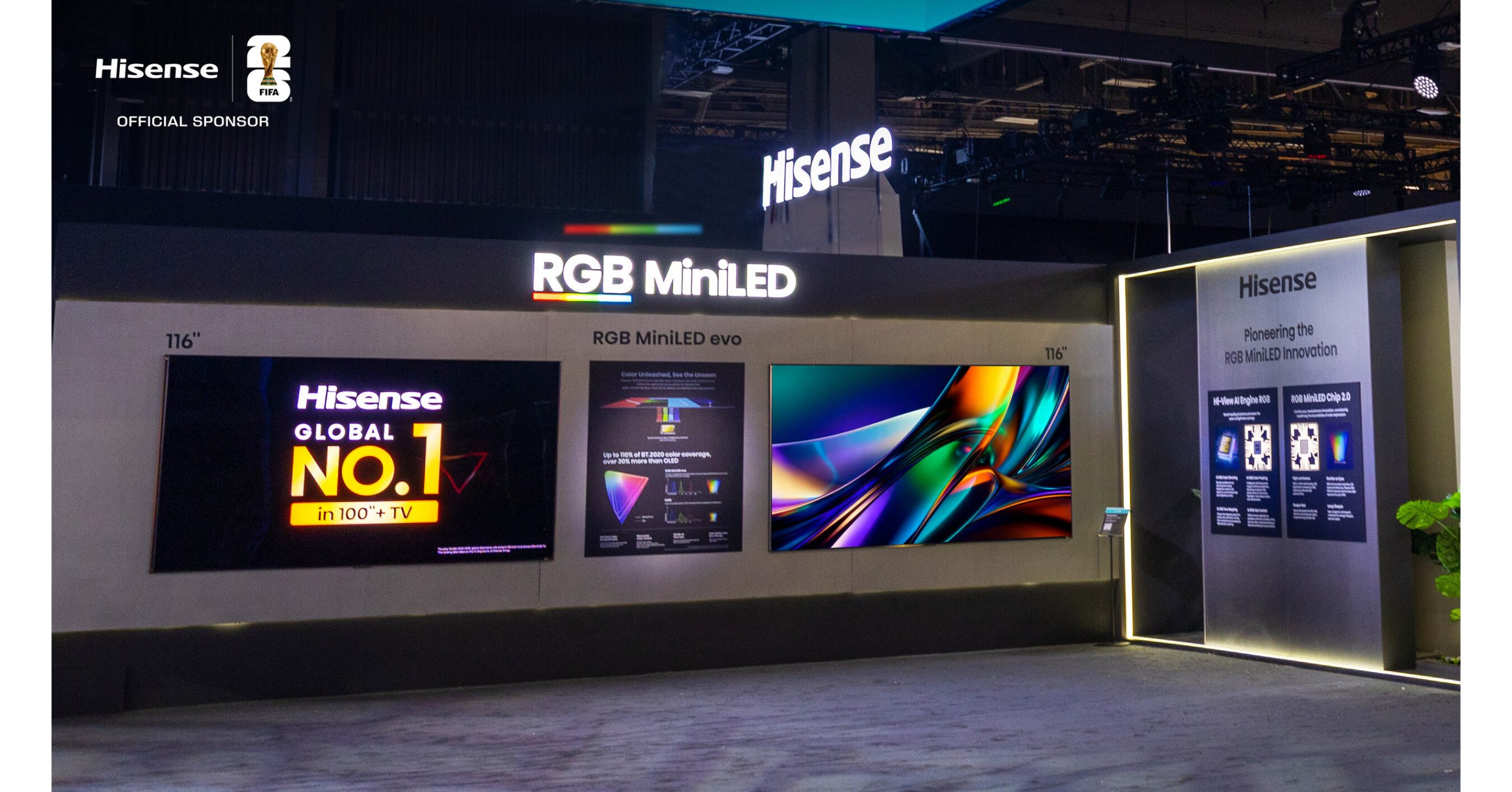
Globally, Hisense is now one of China’s largest refrigerator manufacturers, investing heavily in compressor technology, inverter systems and manufacturing capability.
In Australia the range has expanded rapidly from basic top-mount refrigerators to premium French door models, side-by-side products and large multi-zone refrigerators.
Retailers say many Hisense models now compete directly with Samsung, LG and Fisher & Paykel by offering larger capacities, premium finishes and inverter technology at prices often hundreds of dollars lower.
Five years ago many consumers still regarded Hisense purely as a television company.
Today its Australian appliance portfolio spans refrigerators, washing machines, heat pump dryers, dishwashers, wine cabinets, air conditioners and small appliances including air fryers.
That broader range has significantly strengthened the company’s relationships with major retailers including JB Hi-Fi, The Good Guys, Harvey Norman and members of the NARTA buying group including Bing Lee, Betta and Retravision.
One senior JB Hi-Fi executive told ChannelNews that Hisense’s biggest achievement has been escaping the “budget brand” perception.
“Consumers increasingly compare a Hisense refrigerator against Samsung or LG rather than against entry-level brands.”
That shift may prove to be one of the company’s greatest competitive advantages.
Australia has also become one of Hisense’s strongest international markets.
Retailers attribute that success to several factors.
Consumers remain highly price conscious following years of inflation and elevated interest rates. Younger buyers have become far more accepting of Chinese brands. Product specifications now influence purchasing decisions more than country of origin. Housing growth continues to support appliance replacement demand.
Industry observers believe Hisense has been taking share from Panasonic, Sharp, Electrolux, Westinghouse, Samsung and LG across several appliance categories.
Despite that momentum, challenges remain.
While Hisense has built strong credibility in refrigeration and laundry, it still lacks the premium reputation enjoyed by Miele, Bosch, Fisher & Paykel, V-ZUG and Smeg in built-in kitchen appliances.
Interestingly, Wee declined to discuss ASKO despite the brand sitting within the broader Hisense organisation, saying the two businesses operate independently.
That separation may preserve ASKO’s premium positioning, but it also raises questions about whether Hisense is fully leveraging one of the strongest luxury appliance brands in its portfolio.
Most analysts expect Hisense to continue gaining share across refrigeration and laundry over the next five years.
The next battle will be fought across connected appliances, AI-powered home ecosystems and integrated smart home platforms.
Hisense is already laying those foundations.
At CES, VIDAA, which Hisense now describes as a separate business despite remaining deeply integrated into its television ecosystem, demonstrated plans to expand its operating system beyond televisions into appliances and connected home technology.
If successful, Hisense will no longer be competing as simply another television manufacturer.
It will be competing for ownership of the entire connected home, a position that until recently belonged almost exclusively to Samsung and LG.