Headphones Could Help Patients Recover After Surgery, Research Suggests
 Emma Wheaton
19 Oct 2026

Headphones and music are attracting attention as potential tools to support patients before, during and after surgery.
Clinical research has found that music delivered through headphones may help reduce pain and anxiety after surgical procedures, adding a potential health benefit to consumer audio technology.
A 2024 systematic review and meta-analysis published in the Journal of Integrative and Complementary Medicine examined 19 randomised controlled trials involving 1,803 patients.
Researchers found that patients who received music interventions experienced significantly lower pain and anxiety scores on the first day after surgery compared with control groups. The study also reported reductions in blood pressure and heart rate.
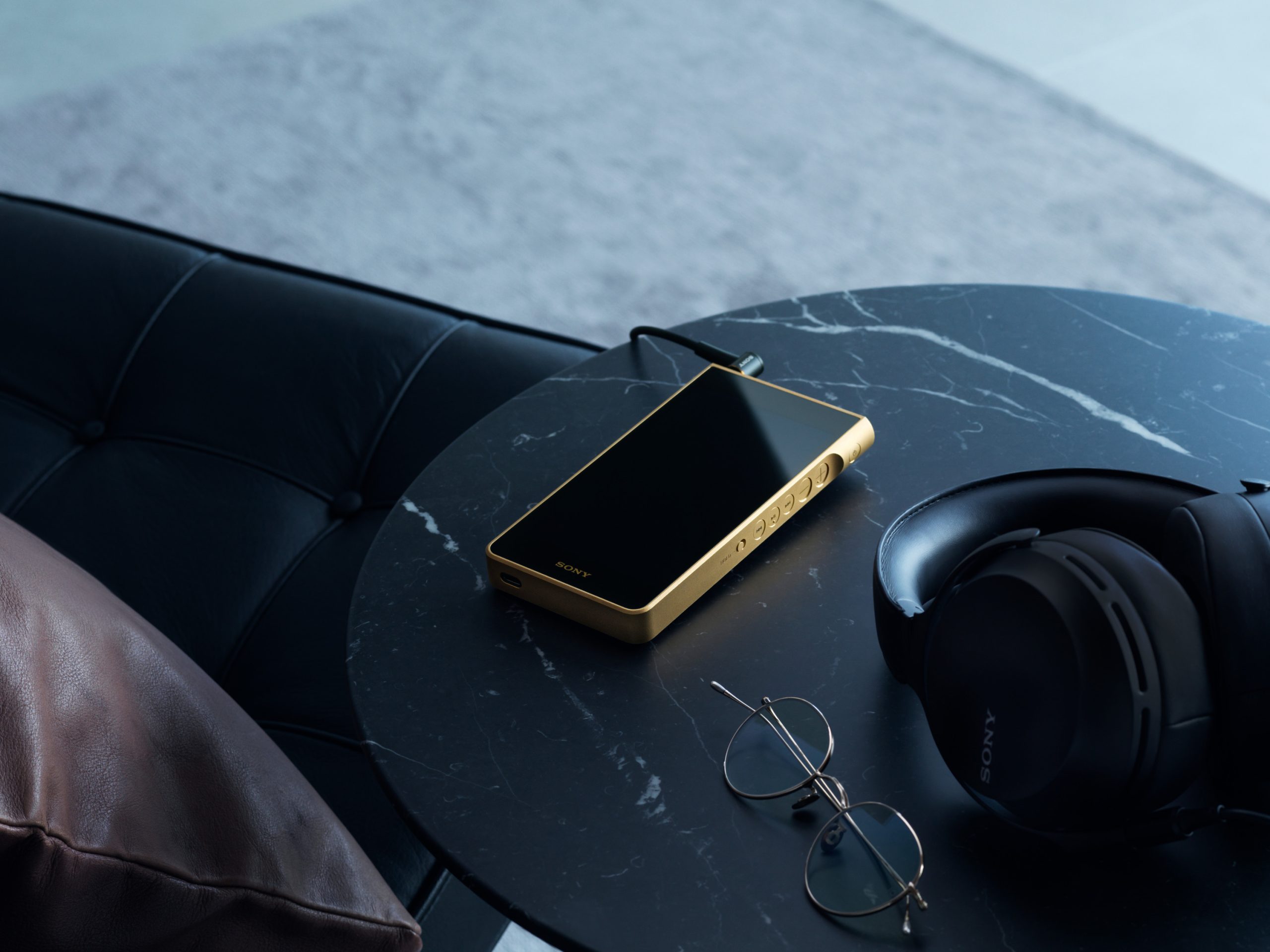
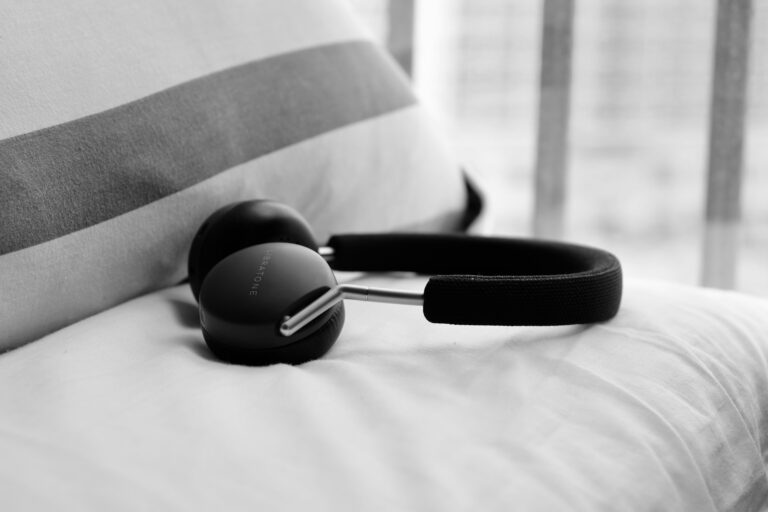
Findings from a new clinical trial, released in 2026, found that patients who wore noise-cancelling headphones during minimally invasive surgery were significantly less likely to experience postoperative nausea and vomiting.
While 52.1% of patients experienced nausea or vomiting after their operations, among the patients wearing the headphones, this dropped to just 35.4%.
The study involved 192 adults, half of which wore over-ear noise-cancelling headphones during a minimally invasive gynaecological procedure, and all of whom received equal anaesthesia and the standard medication intended to prevent nausea and vomiting.
The results suggest that music may offer benefits beyond distraction, potentially helping patients manage some of the physical and psychological effects associated with surgery.
The findings add to growing interest in music-based interventions as a low-cost, non-invasive way to complement conventional medical treatment and has the potential to give hospitals another option to improve patient comfort.
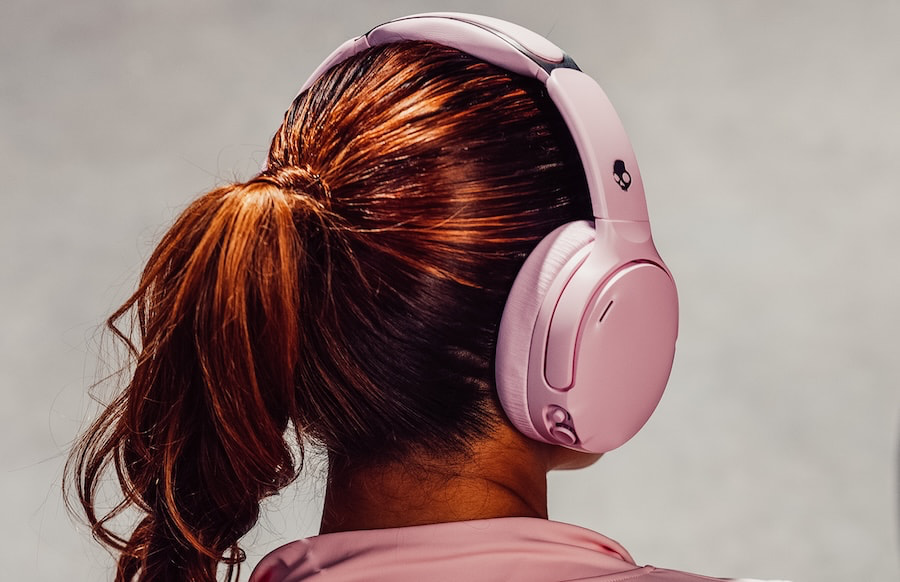
A separate systematic review published in 2024 examined technology-based music interventions delivered through devices including smartphones, tablets and other digital platforms. It found that several studies reported reductions in anxiety and pain among patients undergoing surgery or medical procedures.
However, the researchers noted that results varied between studies, and it was difficult to determine whether particular devices or delivery methods produced better outcomes.
For the consumer electronics industry, it highlights a potential use for headphones beyond entertainment.
Noise-cancelling technology may also be relevant where reducing environmental noise improves patient comfort.
However, the benefits of music should not automatically be attributed to active noise cancellation itself, which requires separate evaluation. Researchers also say more needs to be investigated on the link between sound and nausea and vomiting.
However, for hospitals, headphones could be a relatively straightforward addition to patient care, depending on the procedure and clinical environment.