Has Vodafone Just Tested The Service That Could Kill Off Telstra & Optus In The Future?
 David Richards
02 Feb 2025
David Richards
02 Feb 2025
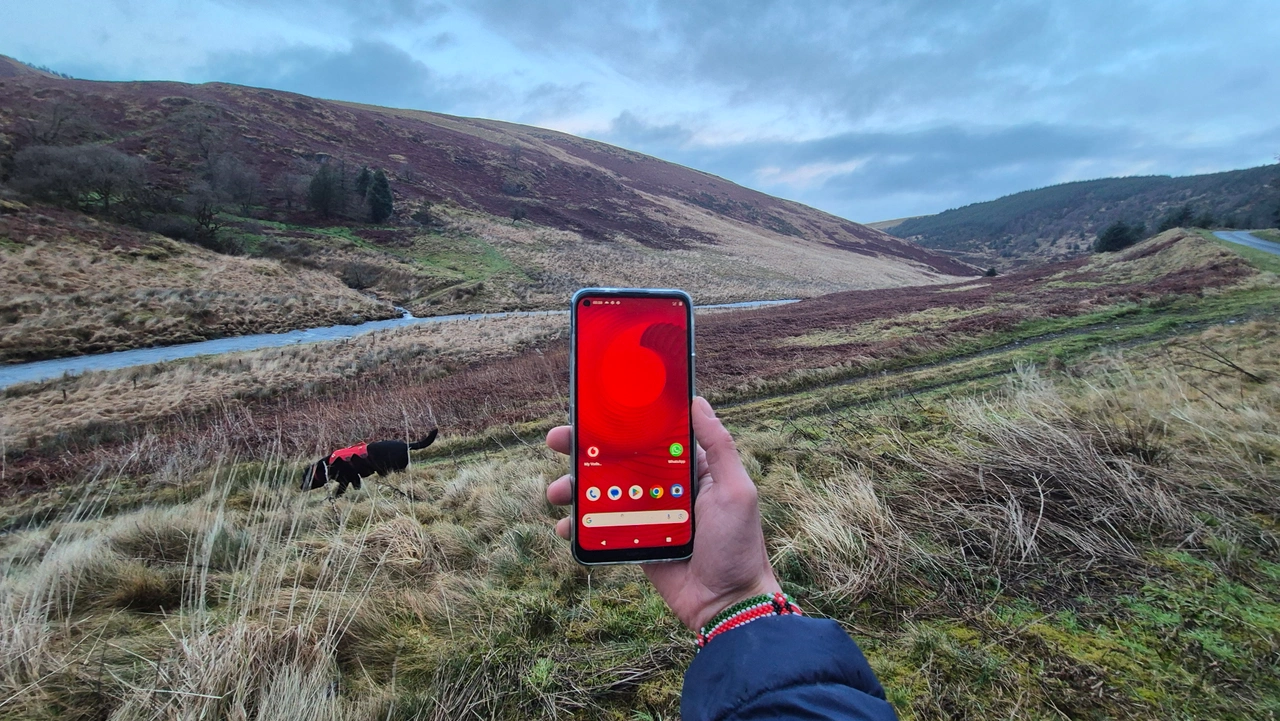
Vodafone has just tested a normal smartphone for video and data transmissions via a satellite network, with the service set to be rolled out later this year in a move that could have ramifications for their competitors in the carrier market.
Some observers believe that competitors including Telstra, Optus and Vodafone, could be facing a bleak future as smartphone satellite technology being delivered by US Companies who are now moving to take over communication worldwide via mobile phones becomes a reality.
Already one Australia’s most seasoned communication executives, claims that US satellite operators including Elon Musk’s Starlink and the soon to be rolled out Amazon Kuiper network could strip revenue away from traditional carriers with a couple of years.
There is also the possibility that the satellite carriers could build out their own groundstations eliminating the need for carrier networks such as Telstra, Optus or Vodafone.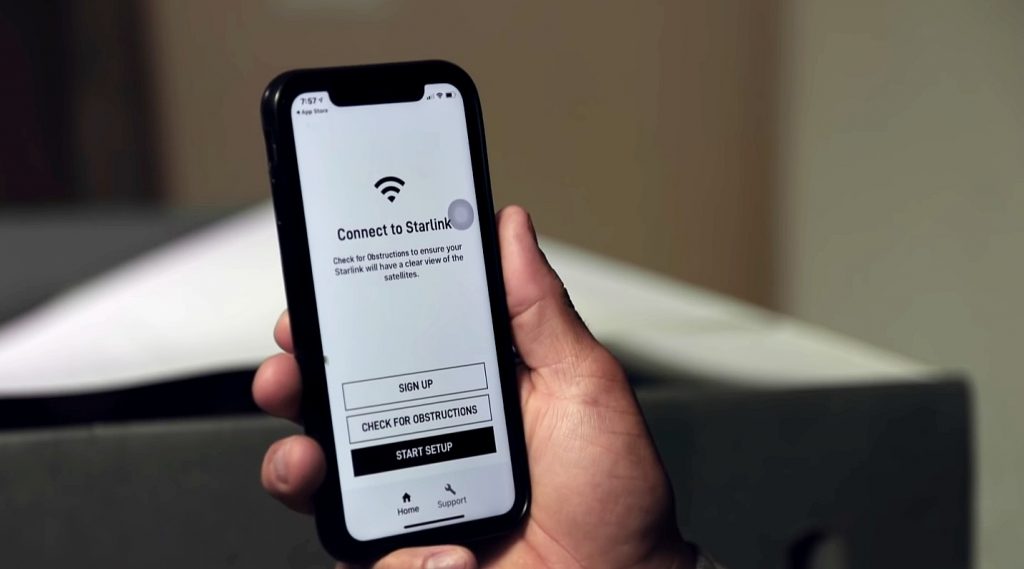
The move will result in retailers such as JB Hi Fi who are already selling Starlink Broadband dishes and satellite high performance broadband kits being able to sell a new generation of mobile phones and satellite services in Australia.
Back in December 2024 the AFR reported that Musk claimed that Starlink, the network owned by SpaceX, had put together the first constellation, or group of satellites, dedicated to providing direct services to mobile phones. This month, SpaceX said that the Starlink “direct to cell” constellation now had 400 satellites to “enable ubiquitous access to texting, calling, and browsing around the world, eliminating dead zones across land, lakes, or coastal waters”.
Starlink is testing technology using spectrum controlled by Deutsche Telekom. In mid-December in the USA, T-Mobile opened registrations for a trial program known as T-Mobile Starlink, claiming the tie-up would make “the phone in your pocket work in areas of the US that have never, and probably never will, have ground-based coverage”.
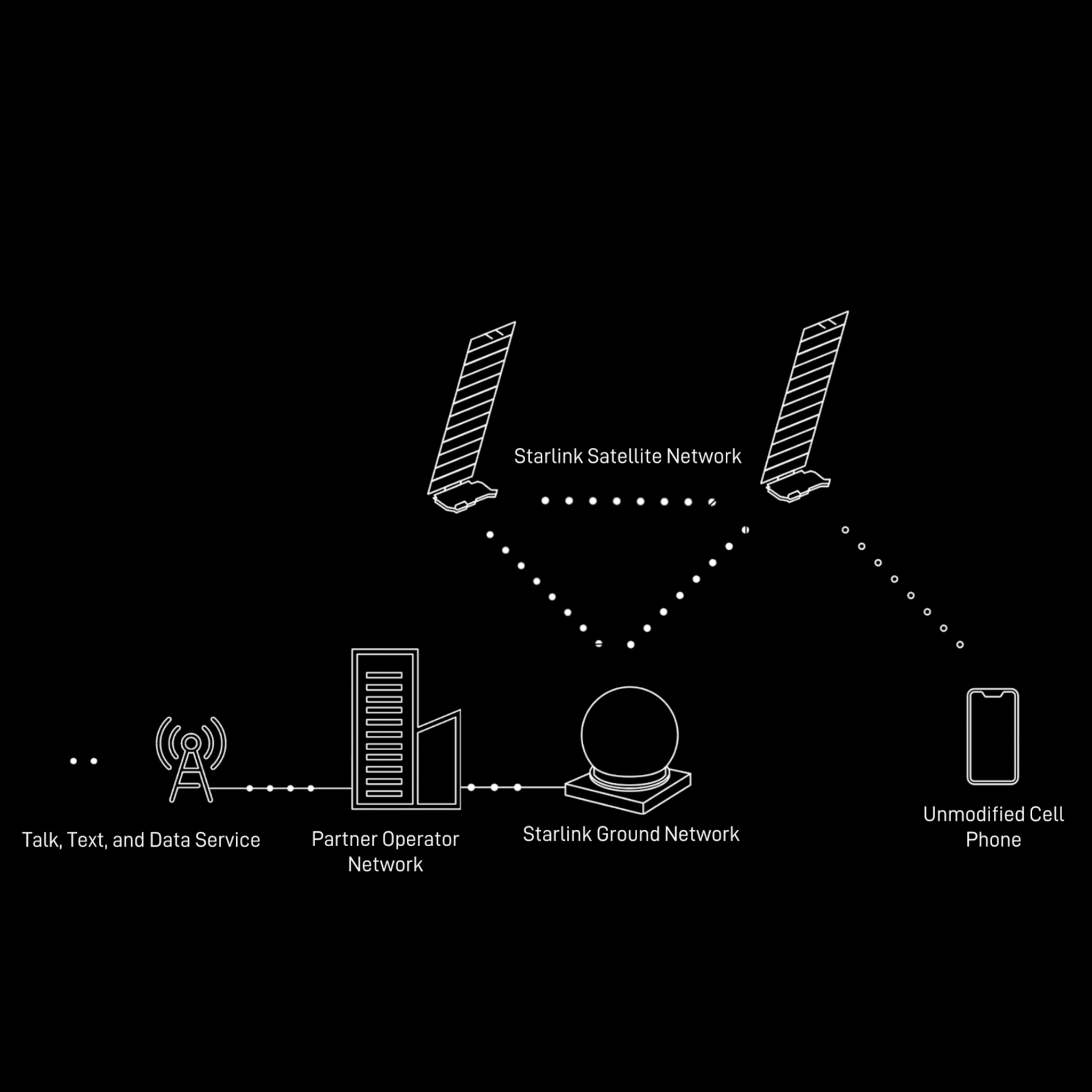
Currently satellite operators need carrier ground stations and their current 5G and 4G networks. Analyst claim that in the future the US satellite operators could build out their own ground station networks with both Nokia and Erriccson working on new ground based communication technology.
The collaboration between the two companies has already allowed messages to be sent via satellite during the devastating wildfires in Los Angeles this month.
Already tens of thousands of Australians have switched to satellite communication for their broadband with the real prospect now emerging that within two years consumers will be signing up direct with the likes of Elon Musk’s Starlink, Amazon’s Kuiper or AST Space Mobile for their communication needs.
Peter Adderton who recently sold his Boost Mobile business to Telstra said in 2019 “Everyday mobile calls could soon be made over satellites – such as those launched into space by Elon Musk’s Starlink – within two years, transforming phone use and challenging major telecoms groups like Telstra and Optus.”
What he predicted then is now happening.
Last week in an exclusive interview with ChannelNews Adderton said that in the future, the real threat to carriers in Australia who use land based 5G and 4G networks for their communication services, will come when US communication Companies who have invested billions in setting up low orbiting satellite networks start signing up consumers directly and not via a current local carrier.
Recently Optus and Telstra jumped into bed with Musk’s Starlink with one senior industry executive claiming that all they are doing is “legitimizing and promoting the Starlink offering”.
He also pointed out that in the future global communication could be in the hands of US operators such as Amazon and Starlink.
Another observer said “They (Carriers) have already started giving Starlink data on customers, whose services are being sold via both Telstra and Optus”.
“Musk knows that by cracking the Satellite comms market, and he was the first to get his low orbit satellites into space, he is putting ownership of large chunks of global communication into the hands of US operators”.
When asked about this issue Adderton said “What the carriers are doing in Australia is building out what could be a competitor in the future”.
Currently Adderton who flies between his home in California and Sydney is currently building out a new network in the USA called Mobile X which was developed with Jason Hayes the current CEO of Boost Mobile in Australia.
The core value for consumers on Mobile X network is that they only get charged for what they use Vs the SIM model used in Australia that results in consumers paying for a vast amount of data per month.
Currently Apple and Samsung are getting ready to launch new generation smartphones that will be Satellite enable for both video and data streaming.
Last week a Vodafone engineer made a call to Vodafone CEO Margherita Della Valle using satellite communication and a new generation satellite enabled smartphone from an unnamed “remote mountain region” of Wales which the company says has never had mobile coverage before.
The quality wasn’t good, and the video was suffering from stutter vision with noticeable lag — but the call, which lasts about 45 seconds, did seem stable claims observers with observers confident that Satellite operators will in the future be able to stream video content via a satellite to a smartphone.
Vodafone partnered with AST SpaceMobile for the satellite service, using their five low Earth orbit BlueBird satellites.
The signal was routed through a space-to-land gateway which connects the satellites to Vodafone’s terrestrial network.
Vodafone sees it as a “complementary” technology that can plug the gaps in its existing mobile network, covering remote areas including mountains and out at sea.
Vodafone claims its service, operating from low Earth orbit, is the only satellite service in the world today that offers mobile broadband directly to multiple 4G or 5G smartphones by working as an extension of its land-based networks.
Vodafone who recently cut a deal with Optus to deliver new services to rural Australia claim that the introduction of commercially available direct-to-smartphone broadband satellite services will be ready to go to market in 2026.
This technology is differentiated from currently satellite-based services being rolled out in Australia by Starlink in that it does not require a special dish, terminal or satellite phone to access mobile broadband connectivity, with customers able to use everyday smartphones to switch between space and ground-based networks automatically, we’re told.
Rural Australia has in part already chosen to go with satellite communication because of poor NBN speeds claims regional consumers.
Now carriers in Australia are testing video and voice communication via a satellite feed, with Amazon claiming that they will be able to deliver speeds up to 400mps via a satellite dish in the future.
Already 200,000 Australians in remote and regional areas rely on Musk’s Starlink network for their internet, while emergency services also embracing the technology.
Fire trucks and police cars around the country are being fitted with Starlink satellite dishes.

Elon Musk and a Starlink satellite
Defence plans to install Starlink on 50 naval vessels.
State and federal departments and agencies have already spent more than $50 million on Starlink hardware and services in the past three years according to Federal Government reports.
Last year SpaceX demonstrated its own Starlink satellite-based video call between two US-based employees using “unmodified mobile phones.”
AST SpaceMobile’s satellite system currently connects using standard 4G and 5G signals, so there’s no requirement to use a phone with dedicated satellite components.
Beyond video calling, Vodafone says it offers a “full mobile broadband experience,” with peak speeds of up to 120 megabits per second, that “goes beyond other low Earth orbit satellite constellations which have so far only facilitated text messaging.”
Satellite connectivity is already available on certain iPhones and Google Pixel phones that include specific modem components, but is mostly limited to emergency alerts, location-sharing, and SMS messages. According to Adderton US Carriers are beta testing its own US network in partnership with the Starlink Direct-to-Cell service that will also work with standard smartphones, though this will be limited to text messages at first, with calls and data to be added in the future.
“Vodafone’s job is to get everyone connected, no matter where they are,” says Della Valle. “We are bringing customers the best network and connecting people who have never had access to mobile communications before. This will help to close the digital divide, supporting people from all corners of Europe to keep in touch with family and friends, or work, as well as ensuring reliable rural connectivity in an emergency.”