Google-Certified Android TV Boxes Hit By Malware As AI Worm Threat Emerges
 Dominic Bayley
10 Nov 2026
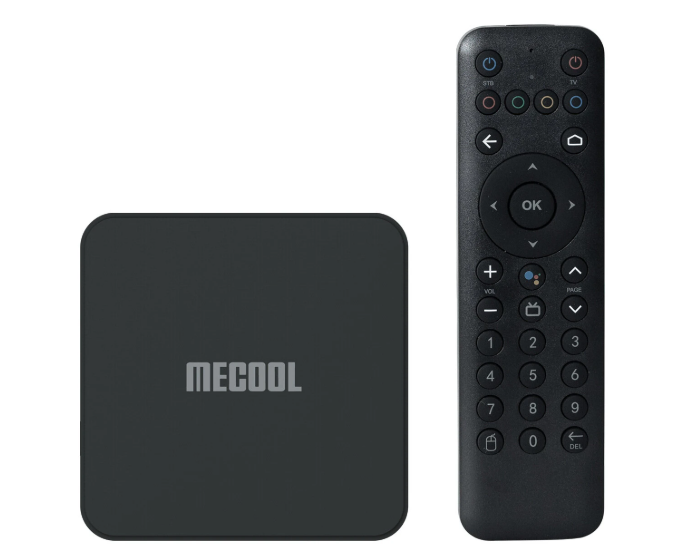
Google has dismantled a massive botnet involving more than 1.3 million Android TV boxes, as new research from AI company Anthropic raises concerns that insecure streaming devices could become targets for self-replicating AI malware.
The security breach has exposed weaknesses in Google’s certification system, with some infected devices carrying Play Protect certification despite being compromised by malicious software deliberately installed by their manufacturer.
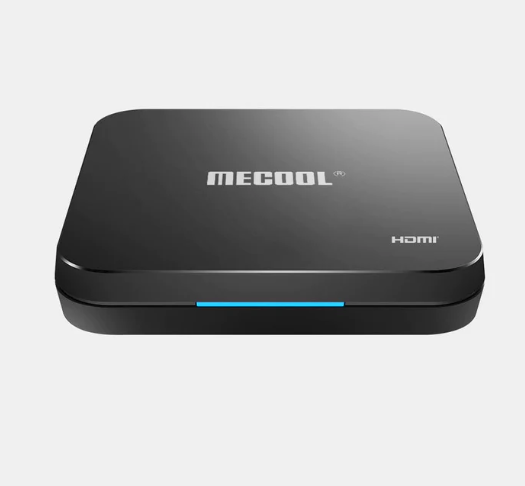
According to Google’s Threat Intelligence Group, Shenzhen-based Videostrong Technology embedded a backdoor known as XCPE, or x.cpe, into Android TV boxes sold under multiple brands, including Mecool.
Google claims the manufacturer intentionally developed and operated the malware network for financial gain.
Once activated, the backdoor allowed criminals to hijack devices for advertising fraud, route internet traffic through unsuspecting households and install additional malware.
The software could also disable Google Play Protect, capture screenshots, steal account information and scan other devices connected to the same home network.
The malware reportedly bypassed Google’s certification checks because malicious components were downloaded after the devices had completed their initial setup and connected to the internet.
Google says it has closed the loophole and banned Videostrong from manufacturing certified Android devices or supplying software to other certified manufacturers.
Working with security researchers and law enforcement agencies, Google also dismantled the servers controlling the botnet, potentially disrupting criminal access to millions of additional compromised devices.
However, the malware remains embedded in affected devices and can reinstall itself from protected system partitions, making removal difficult.
Trend Micro estimates approximately 1.47 million devices were infected worldwide, including devices in Australia.
The revelations come as Anthropic, the company behind Claude, warns that AI-powered malware could soon pose an even greater threat to insecure internet-connected devices.
In controlled experiments, Anthropic found that AI models are approaching the ability to autonomously replicate across commercial Internet of Things devices, including smart appliances and inexpensive Android TV boxes.
The capability, known as Autonomous Replication and Adaptation (ARA), could allow AI-powered worms to spread between devices without continuous human instructions.
Unlike conventional malware, these systems could potentially adapt to unfamiliar hardware and operating environments.
Anthropic reported that a relatively small nine-billion-parameter AI model successfully ran inference on eight of nine hardware types tested.
Its experiments also found that larger 30-billion-parameter models could already demonstrate autonomous replication capabilities under test conditions.
Researchers warn that continued improvements in smaller AI models could make self-replicating malware increasingly practical.
Such attacks could prove difficult to contain because infected devices would not necessarily depend on central command servers that authorities could disable.
The findings do not establish that AI worms are currently spreading across consumer Android TV boxes, but they highlight how existing security weaknesses could be exploited by more sophisticated malware.
While officially certified Google TV devices generally incorporate stronger security protections than uncertified Android Open Source Project boxes, the Videostrong incident demonstrates that certification is not an absolute guarantee.
Other smart TV platforms, including Samsung’s Tizen and LG’s webOS, also face potential security risks, while Apple’s more tightly controlled tvOS ecosystem restricts third-party software installation.
For Australian consumers, the incidents underline the importance of purchasing streaming devices from established manufacturers, maintaining software updates and avoiding inexpensive Android TV boxes from unfamiliar brands.
With conventional botnets already compromising millions of devices, the emergence of autonomous AI malware could make securing home entertainment systems increasingly important.