Google Agrees Compensation For Overheating Fitbits
 Varun Godinho
23 Jan 2025
Varun Godinho
23 Jan 2025
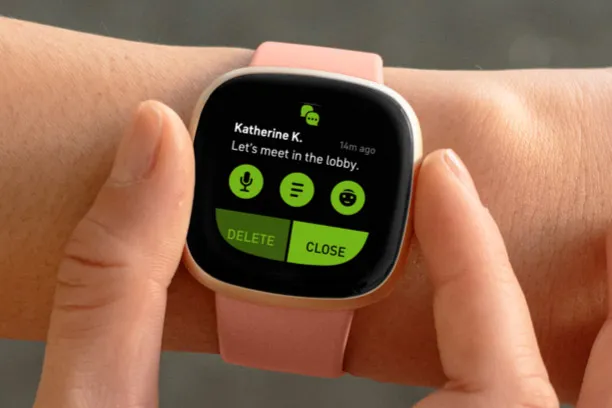
Google has issued a consumer warning for its Fitbit Sense and Fitbit Versa 3 wearbales which use lithium-ion batteries and are at risk of overheating. For those affected by the issue, the company has promised a A$79.74 compensation.
The Fitbit Sense is currently available at retailers such as JB Hi-Fi for A$448, while the Versa 3 is no longer available since its successor, the Versa 4, is now on shelves.
Google said that “a limited number” of Fitbit Sense and Fitbit Versa 3 devices are at risk of their batteries overheating.
The company has already issued a firmware update. That update, it claimed, will “reduce the risk of the battery overheating.”
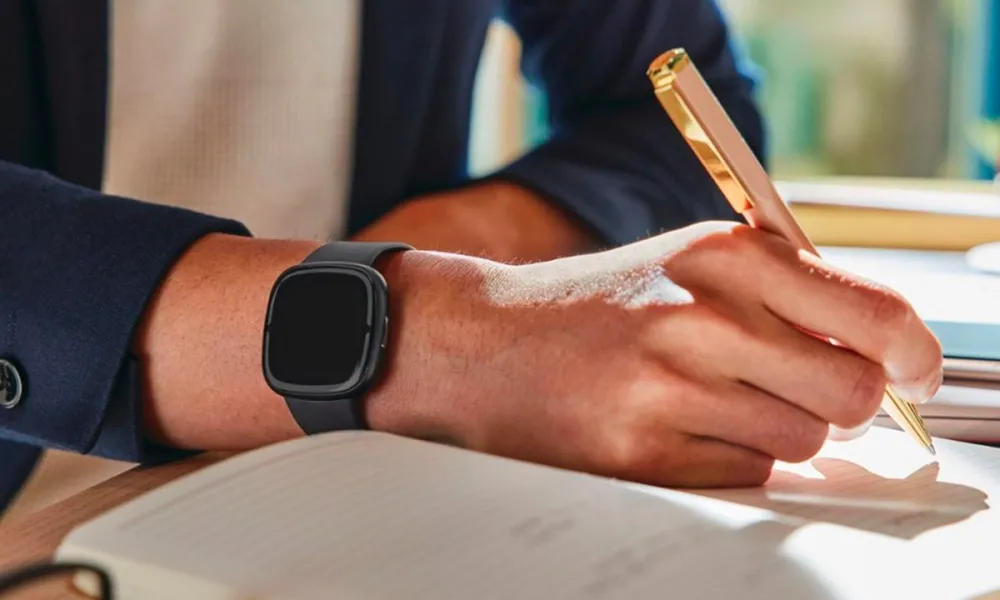
Fitbit Sense 2
However, the update will also reduce battery capacity. It hasn’t mentioned by how much the battery capacity on these devices will be affected, noting only that “the battery will last for shorter periods between charges and you may need to charge your device more frequently.”
The update will begin rolling out to impacted Sense and Versa 3 devices over a month starting January 21, 2025.
For those who regularly sync their Sense or Versa 3 device with the Fitbit app, they will receive a notification on their watch and in the Fitbit app, as well as receive an email from the company, when the firmware is available to install.
Google has told users that they can submit a request to find out if their device is impacted here.

Fitbit Versa 3
Choosing to ignore the firmware update will have consequences. “A few days after receiving the update, if you don’t update your firmware, your device will experience a factory reset. A factory reset deletes any data stored on the device, which includes all data that hasn’t synced to your Fitbit account and your alarms, goals, credit and debit cards, saved settings, and notifications,” warned Google.
Google has said that customers can submit a request to check their eligibility for the A$79.74 compensation on its Registration Page.
This isn’t the first time that Fitbit has run into issues. Three years ago, a Fitbit Ionic caused burns and resulted in refunds and the company recalling around 1.7 million devices worldwide. Further back in 2017, a Fitbit reportedly exploded, though the company claimed it wasn’t responsible for that incident.