Global PC Shipments Plunge 21 Per Cent As Rising Costs Hit Demand
 April Ossington
23 Oct 2026
Global PC shipments fell sharply in the third quarter of 2026 as higher memory and component costs pushed up system prices and weakened demand.
Counterpoint Research estimates vendors shipped 57 million PCs during the quarter, down 21 per cent from a year earlier and 13.8 per cent from the previous quarter.
The downturn follows a much stronger period in 2025, when buyers brought forward purchases ahead of the Windows 10 support deadline and in anticipation of tariff-related price increases.
Consumer demand has since weakened as higher prices make replacement purchases harder to justify. Commercial buying has held up better, supported by business fleet upgrades and Windows migration, but has not been strong enough to offset the broader decline.
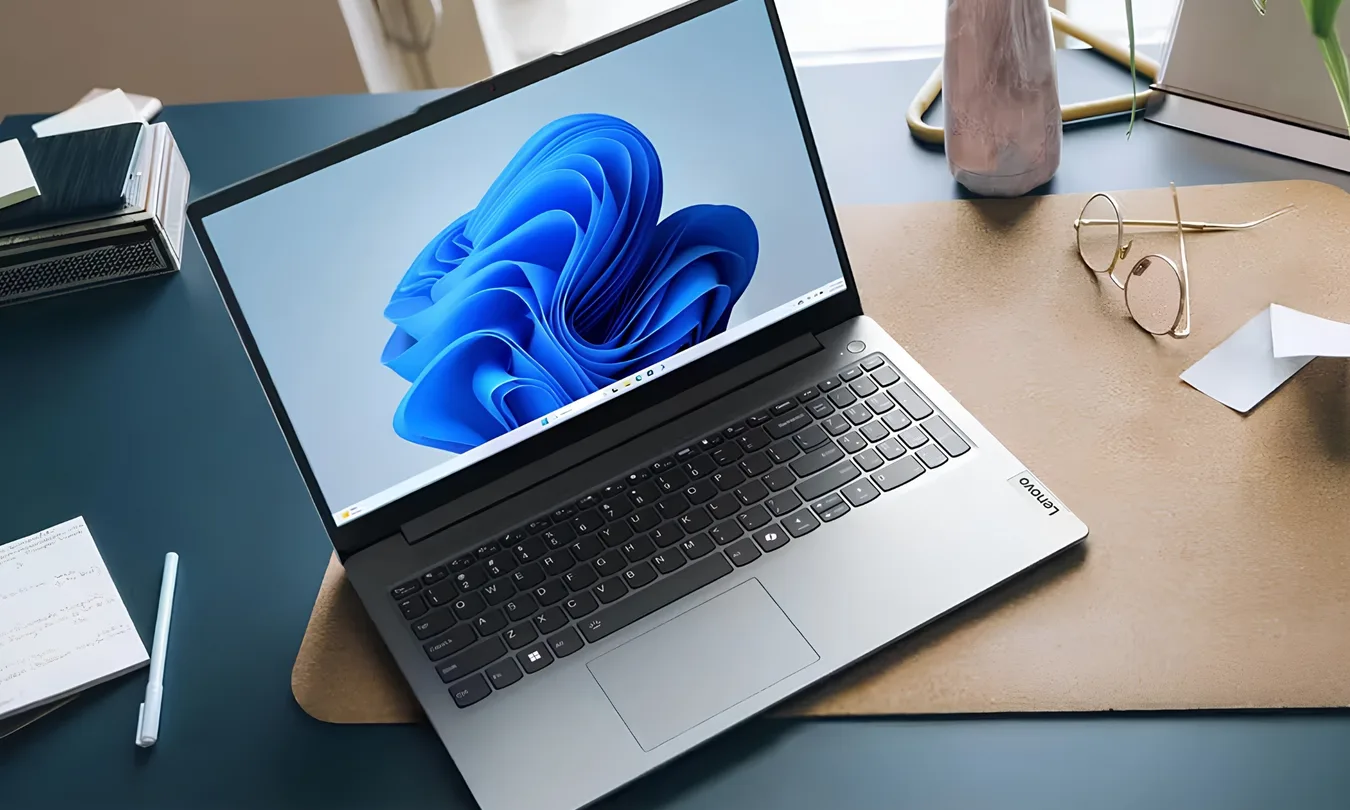
Lenovo remained the global market leader with shipments of 15 million units and a 26.3 per cent share, despite a 23 per cent year-on-year fall.
HP held second place with 10.3 million units and an 18.1 per cent share. Its shipments dropped 31 per cent, the steepest decline among the top six vendors.
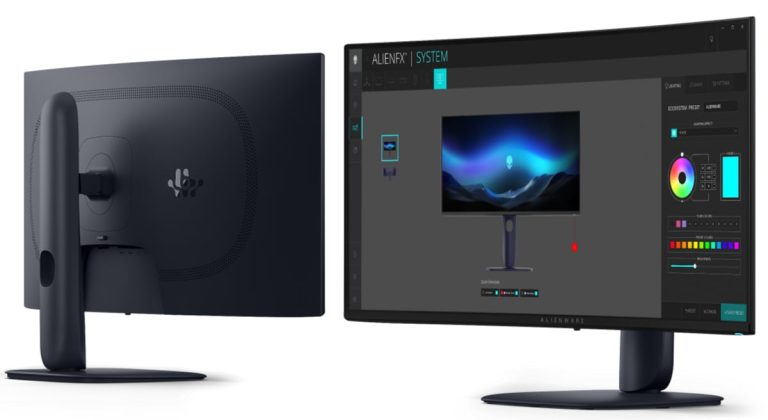
Dell shipped 7.6 million units, down 25 per cent, leaving it with a 13.3 per cent market share.
Dell
Apple performed better than the wider market, with shipments falling 11 per cent to 5.6 million units. Its market share increased from 8.7 per cent to 9.8 per cent, with Counterpoint pointing to the MacBook Neo as one factor helping to limit the decline.
ASUS recorded the smallest annual fall among the top five vendors, with shipments down 7 per cent to 5.2 million units. Its market share rose to 9.2 per cent from 7.8 per cent a year earlier.
Together, Lenovo, HP, Dell, Apple and ASUS accounted for 76.7 per cent of global PC shipments during the quarter.
Counterpoint said rising memory prices and other component costs are forcing manufacturers to make difficult choices around product mix and pricing. More expensive systems can protect margins, but they also risk pushing budget-conscious consumers out of the market.
Senior analyst Minsoo Kang said affordability had become an increasingly important factor as consumers delayed replacement purchases.
The outlook remains weak. Counterpoint expects global PC shipments to fall 27 per cent year-on-year in the fourth quarter of 2026.
For 2027, the research firm expects total shipment volumes to remain broadly flat compared with 2026, suggesting the market may stabilise at a lower level rather than return quickly to growth.
Counterpoint associate director David Naranjo said AI PCs, premium displays and differentiated products would still create opportunities, but vendors would need to balance innovation against pricing and supply-chain pressures.
The figures also suggest the market is entering a more prolonged replacement cycle as buyers hold on to existing machines for longer and wait for component prices to ease.