Forget Profits, Samsung Wants Mobile Market Share & They Are In A Great Position To Get It
 David Richards
21 Aug 2026
David Richards
21 Aug 2026

Forget profits for the moment. Samsung Electronics wants volume, with management signalling that gaining smartphone market share is a bigger immediate priority than restoring profitability at its struggling Device eXperience division.
It’s an aggressive strategy, but Samsung has one advantage few of its smartphone rivals can match: it is also one of the world’s biggest memory manufacturers.
The global smartphone industry is being squeezed by soaring DRAM and NAND prices, with manufacturers being forced to choose between raising handset prices, sacrificing margins or cutting production.
Samsung is effectively sitting on both sides of that equation.
Its semiconductor operation is benefiting from the memory boom, while the company’s smartphone business is being hammered by many of the same rising component costs.
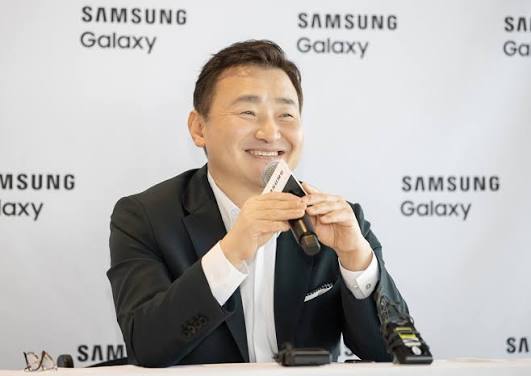
Samsung Electronics co-CEO and Device eXperience head Roh Tae-moon
Samsung Electronics co-CEO and Device eXperience head Roh Tae-moon warned management yesterday that profitability pressure could persist while memory prices remain elevated.
Rather than retreat, however, Samsung appears prepared to use the disruption to grab market share.
At a management briefing in South Korea this week, Roh identified “market-share expansion” and improving the underlying competitiveness of the DX business as key priorities.
The strategy appears straightforward: keep products flowing and chase volume while competitors struggle with component shortages and dramatically higher costs.
That could prove particularly important during the second half of 2026.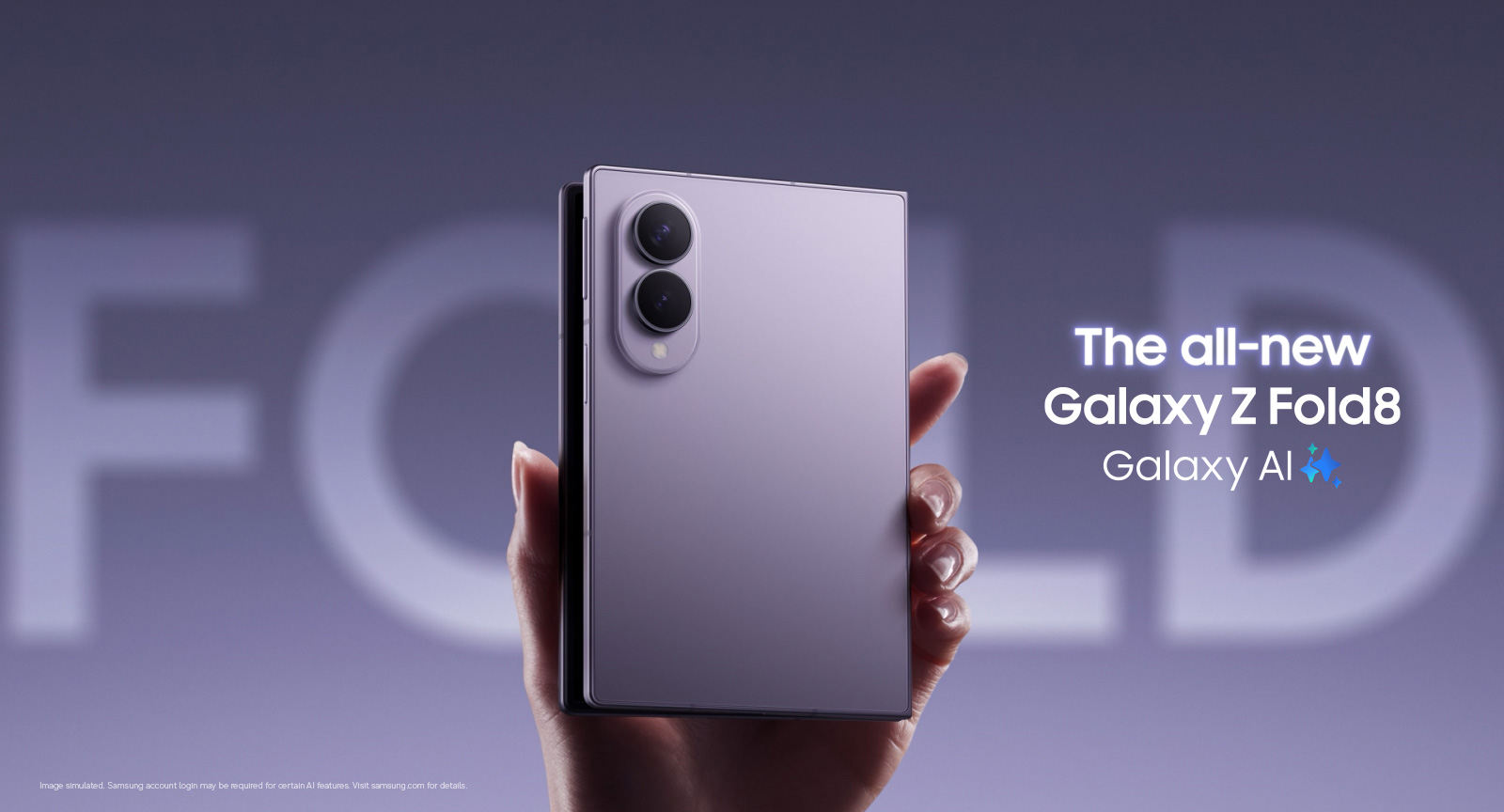
The global smartphone market is already experiencing one of its worst downturns in more than a decade, with second-quarter shipments falling 11% year-on-year to their lowest Q2 level since 2013, according to Counterpoint Research.
Samsung nevertheless emerged with a 24% shipment share, ahead of Apple’s 20%.
The increasingly important question isn’t simply who can build the best smartphone. It’s who can afford to keep building and selling them at competitive prices.
Samsung’s Memory Advantage
Samsung’s unusual position as both a smartphone manufacturer and a major semiconductor producer gives it strategic options that companies such as Apple and Motorola don’t have.
Samsung’s semiconductor division benefits when memory prices rise, even as those same increases squeeze margins inside its smartphone operation.
That doesn’t mean Samsung’s mobile division gets cheap memory automatically. Samsung has historically maintained substantial financial and operational separation between Device Solutions and Device eXperience, partly because some of Samsung Semiconductor’s biggest customers are also competitors of Samsung’s smartphone business.
Apple is the obvious example.
But at a group level, Samsung is nevertheless better positioned to withstand a prolonged memory crunch than manufacturers entirely dependent on external semiconductor suppliers.
Even Samsung’s own mobile business is feeling the pain.
The cost of mobile memory it purchases externally reportedly jumped about 211% year-on-year during the first half.
For rivals without Samsung’s semiconductor earnings, the choices are becoming increasingly uncomfortable.
“Some are increasing prices and accepting margin pressure, while a few are simply pulling back on launches and production,” Counterpoint Research senior analyst Shilpi Jain said in the firm’s assessment of the second-quarter smartphone market.
Apple Has a Different Problem
Apple is far from being in trouble today.
In fact, the company has performed remarkably well during the downturn, increasing iPhone shipments and taking a record 20% of global smartphone shipments during the second quarter.
But the next stage of the memory crisis potentially presents Apple with a much more difficult equation.
Apple doesn’t manufacture its own DRAM or NAND and rising memory prices are beginning to dramatically increase the cost of building an iPhone.
Estimates from TrendForce suggest the bill of materials for the upcoming 256GB iPhone 18 Pro could be around 38% higher than for the equivalent iPhone 17 Pro, largely because of exploding memory costs.
That leaves Apple with three basic choices: absorb some of the increase and sacrifice its famously strong margins, raise iPhone prices and risk weakening demand, or attempt some combination of the two.
Samsung can exploit either outcome.
If Apple raises prices, Samsung has more room to attack with promotions and aggressively priced Galaxy models. If Apple protects prices by absorbing costs, Apple’s margins come under pressure.
And there is another complication.
The smartphone industry is already suffering from lengthening replacement cycles, increasingly incremental improvements between generations and consumers questioning whether another expensive flagship offers enough improvement to justify upgrading.
Higher prices make that problem worse.
The situation is particularly interesting as Apple prepares to enter the premium foldable market, where Samsung has spent years building its position.
Samsung has already reported stronger-than-expected demand for its Galaxy Z Fold 8 generation, while Australian smartphone retailers and carriers are reporting significant interest in the company’s latest premium foldable devices.
Samsung now believes Australia is one of the markets where it has an opportunity to grow share.
That opportunity could become larger if Apple’s next generation of premium devices arrives with higher prices or constrained supply.
Volume Over Margin
Samsung’s willingness to chase volume is already becoming visible farther down the range.
Samsung Australia has invited journalists to the launch of the Galaxy S26 FE next week, giving the company another lower-priced entry point into its S26 family.
The FE strategy becomes particularly useful in the current market.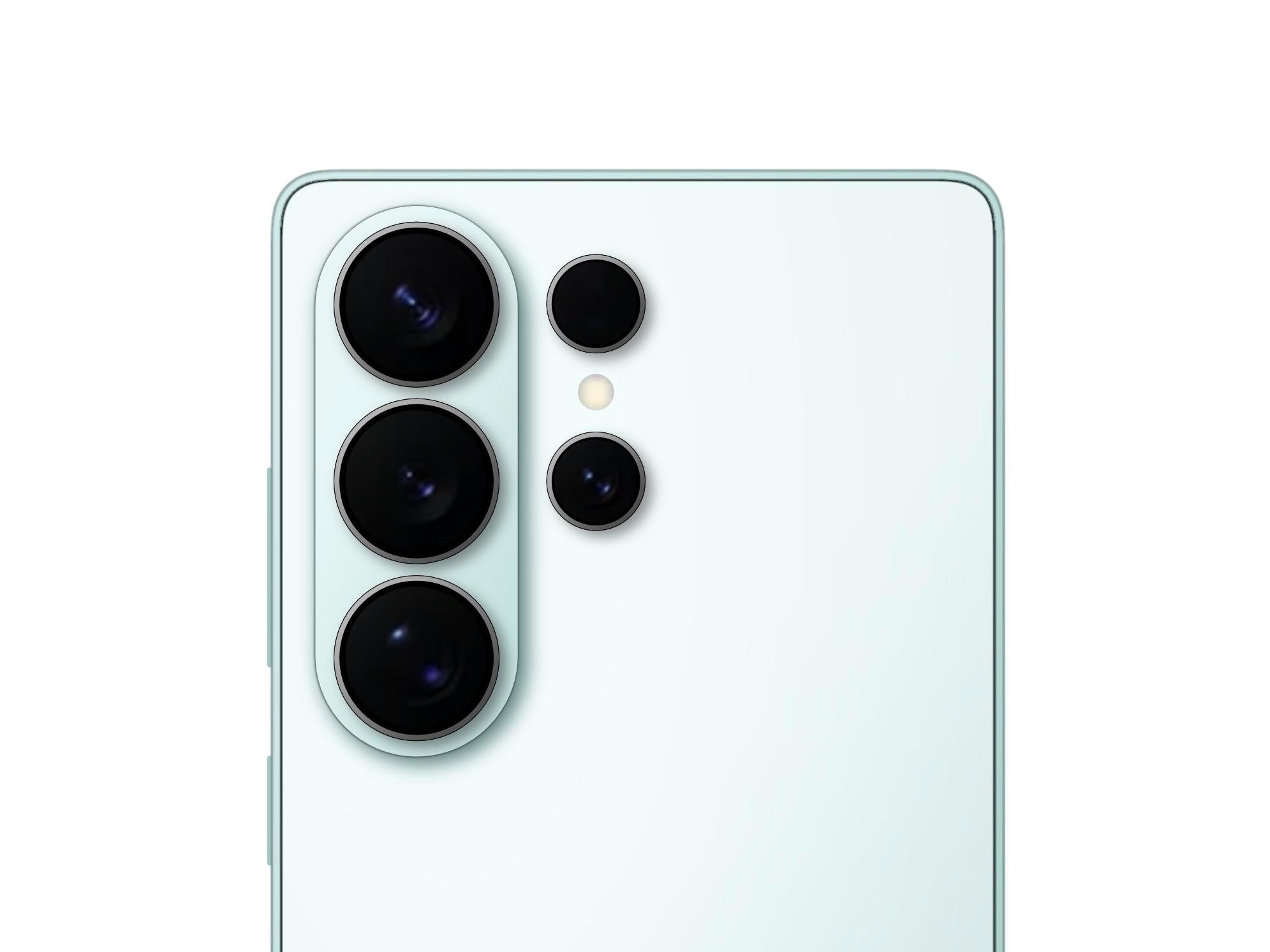
Rather than relying exclusively on expensive flagships to protect margins, Samsung can put another aggressively positioned Galaxy device into carrier and retail channels and use its broader portfolio to pursue shipment growth.
It is a strategy that comes at a cost.
Samsung’s DX operation, which includes smartphones, televisions and appliances, recorded an operating loss of roughly A$868 million in the second quarter, while Mobile eXperience and Networks alone lost around A$706 million despite revenue increasing 14% year-on-year.
Galaxy S26 and Galaxy A-series sales remained solid, but rising component costs overwhelmed that revenue growth.
The contrast inside Samsung Electronics is stark: the semiconductor operation is enjoying the upside of booming memory prices while the consumer electronics business absorbs the downside.
That tension is now spilling over internally.
DX-focused unions are planning to rally near Samsung’s Seocho headquarters, with organisers expecting around 3,000 participants, amid frustration over compensation differences between employees in Samsung’s semiconductor and consumer businesses.
DX employees missed out on the same level of bonuses enjoyed by semiconductor workers after their division slipped into the red.
Samsung management has stressed that DS and DX have historically been operated almost as separate companies under the same roof, including separate financial performance and compensation structures.
For Samsung’s smartphone business, however, management appears willing to tolerate the pain.
The calculation is that the memory crisis won’t last forever, but market share captured while competitors are vulnerable could.
And that potentially makes Samsung one of the few smartphone manufacturers capable of turning the industry’s biggest problem into an opportunity.