Fact Check: BBC Bias Exposed As Director & News Head Quits
 David Richards
10 Nov 2025
David Richards
10 Nov 2025

Like the ABC in Australia, the BBC had become a left wing propaganda tool with stories spun or edited to suite their agenda.
Overnight their agenda was exposed with BBC director general Tim Davie resigning following criticism that a BBC Panorama documentary misled viewers by editing a speech by US president Donald Trump.

BBC director general Tim Davie
Also out is BBC News Director Deborah Turness who along with Davie ran a news operation around the world including Australia that appears to have gone out of their way to spin only the story they wanted consumers to see or hear claim observers.
Davie announced his resignation following criticism of the Panorama programme, Deborah Turness, the BBC’s News Director, also left the corporation; the pair jointly oversaw the broadcaster’s global news operation, including coverage reaching Australia.
Reform UK leader Nigel Farage said Davie’s departure should prompt “wholesale change” at the BBC. “Davie and Turness going must be the start of wholesale change,” he said.
UK Conservative leader Kemi Badenoch said: “It’s right that Tim Davie and Deborah Turness have finally taken responsibility and resigned from the BBC.
“But let’s be honest, this has been a catalogue of serious failures that runs far deeper. The Prescott report exposed institutional bias that cannot be swept away with two resignations – strong action must be taken on all the issues it raised.
“The culture at the BBC has not yet changed. BBC Arabic must be brought under urgent control.
“The BBC’s US and Middle East coverage needs a full overhaul. And on basic matters of biology, the corporation can no longer allow its output to be shaped by a cabal of ideological activists.
“The new leadership must now deliver genuine reform of the culture of the BBC, top to bottom – because it should not expect the public to keep funding it through a compulsory licence fee unless it can finally demonstrate true impartiality.”
Former Home Secretary James Cleverly added: “The BBC’s problem was a failure to recognise its own bias.
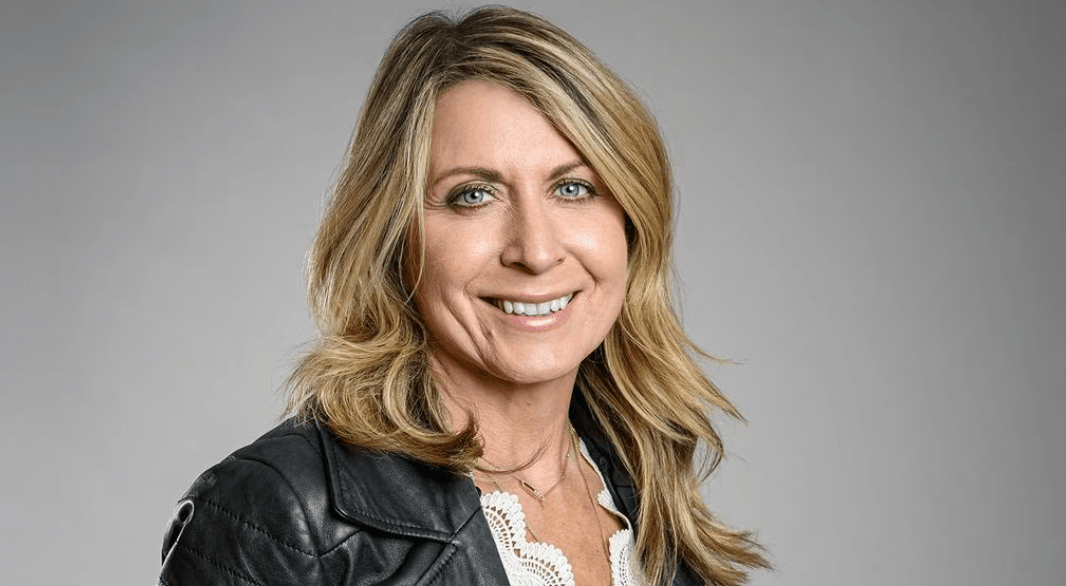
Deborah Turness, the BBC’s News Director,
The Panorama episode at the centre of the dispute aired eight days before last year’s presidential election.
On air, it showed Trump urging supporters to “march with me on Washington to fight like hell”; critics say the programme edited or presented his words in a way that misled viewers.
SWhat Trump actually said was that he would accompany supporters “to peacefully and patriotically make your voices heard.”
The broadcast was highlighted in a leaked memo by Michael Prescott, a former BBC editorial adviser, which was first reported by The Telegraph.
Prescott was due to give evidence to a parliamentary hearing, but his appearance was delayed after objections from Labour MPs including Rupa Huq, who warned the committee against becoming “a mouthpiece for uncritical Tory party-skewed BBC bashing at a sensitive time in the lead-up to charter renewal”.
Broader questions about bias and editorial judgement have dogged the BBC in recent years.
The corporation has faced criticism over its coverage of Gaza, and for disciplining a presenter for wording and facial expression during a live bulletin.
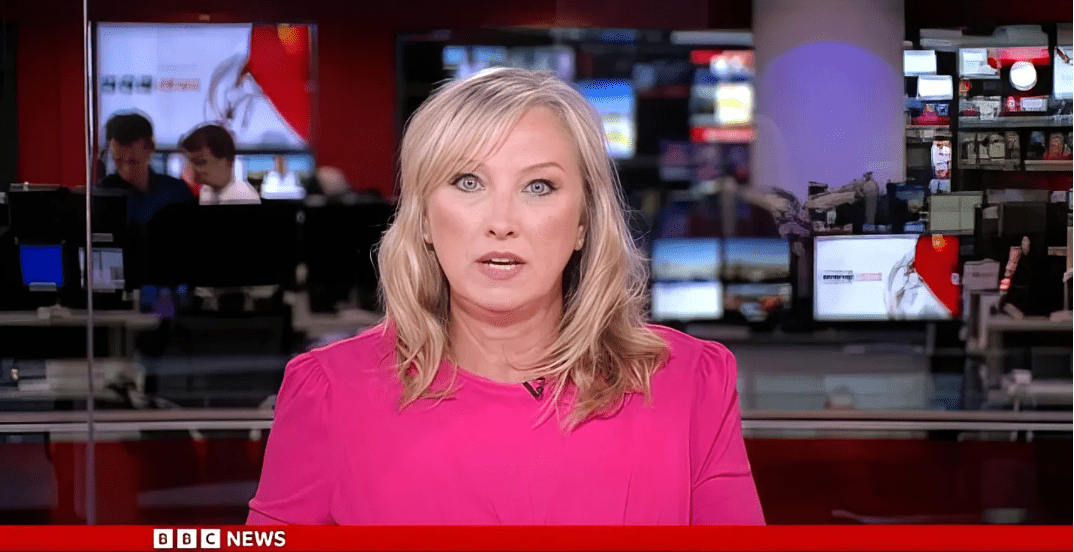
Martine Croxall, BBC Announcer
The presenter, Martine Croxall, was reprimanded after she changed the phrase “pregnant people” to “women” while reading from the teleprompter and made a facial expression. The BBC’s investigation concluded the change and the expression breached impartiality rules.
The incident prompted social media reaction, complaints to the broadcaster and praise from some public figures.
The Board of Deputies of British Jews said the resignations should be the start of “deep cultural change” at the BBC.
In a statement the group said it had “profound concerns” about the corporation’s Middle East coverage and listed a series of recent controversies — including reporting on Gaza and issues involving BBC Arabic — that it said had damaged trust.
The statement urged the government to appoint a leader experienced in cultural and operational turnaround, warning that failure to reform could lead to widespread refusal to pay the licence fee.
Davie, who became Director-General in September 2020, said in a resignation statement: “There have been some mistakes made and as Director-General I have to take ultimate responsibility.”
Critics and supporters alike say the departures raise fundamental questions about impartiality, editorial standards and the future direction of the BBC as it prepares for the next stage of its charter renewal and public scrutiny.