EXCLUSIVE: TCL Restructures Australian Mobile Operations, Shifts Control to TV & Appliance Management
 David Richards
29 Apr 2026
David Richards
29 Apr 2026
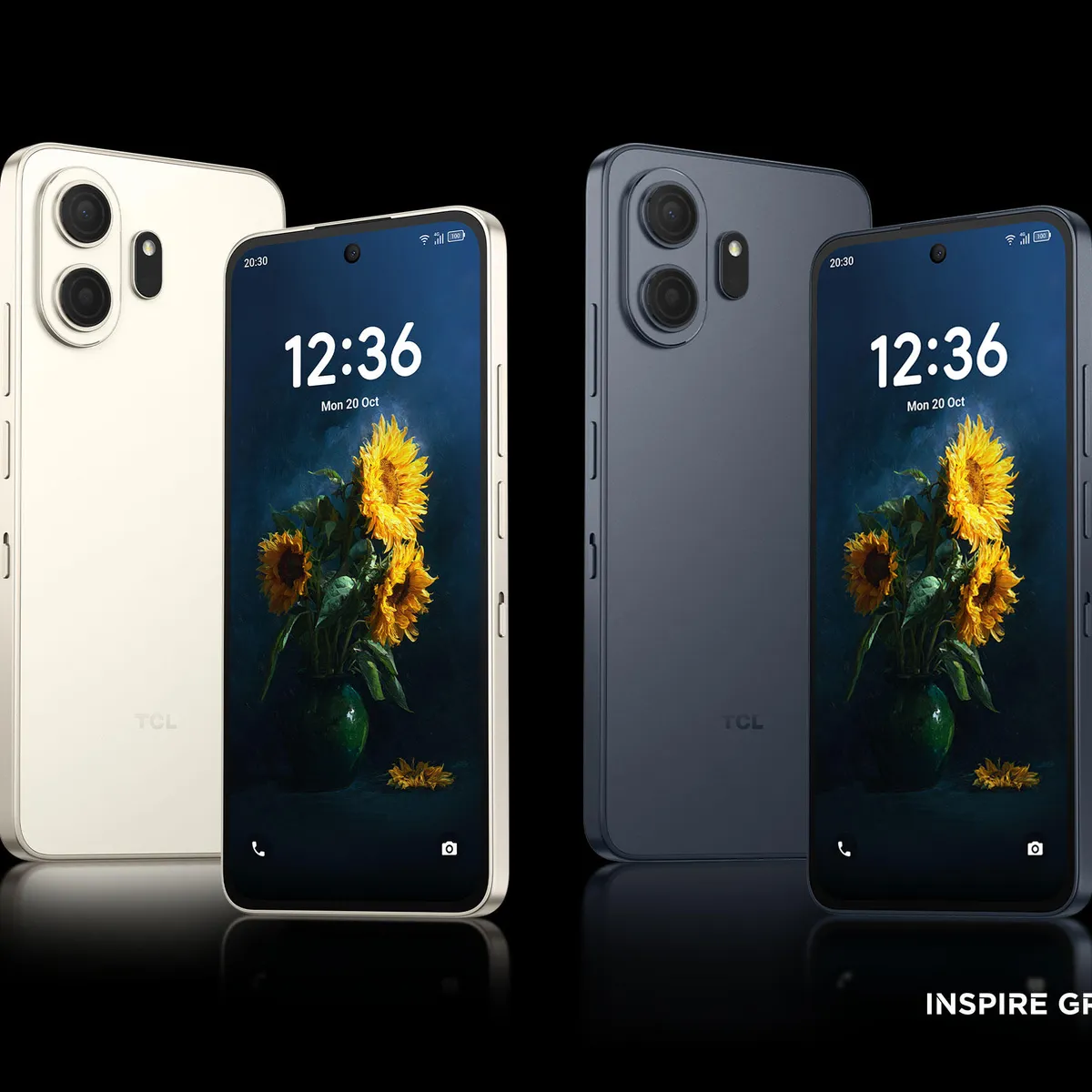
TCL has moved to restructure its mobile phone business in Australia, bringing the division under local control in Melbourne and integrating it with its broader consumer electronics operations, out is former sales manager Jimmy Sun.
The Chinese manufacturer, best known for its TVs and appliances, confirmed the shift in a statement, saying it would consolidate its mobile unit which up until now has been based in Sydney reporting directly to TCL Mobile management in China, into a unified management structure aligned with its other product categories.
“TCL has decided to consolidate TCL Mobile into its broader management structure, aligning it with the brand’s other key categories under a single, unified model,” the company said.
The move marks a significant departure from TCL’s previous approach, where its mobile business in Australia was managed out of China and operated separately from its Melbourne-based TV and appliance division.
As part of the restructure, Jimmy Sun has exited the business. Sun had overseen TCL’s mobile operations during a period in which the company sought to regain its former position as the third-largest smartphone vendor in Australia. TCL previously sold devices under the Alcatel and BlackBerry brands in the local market.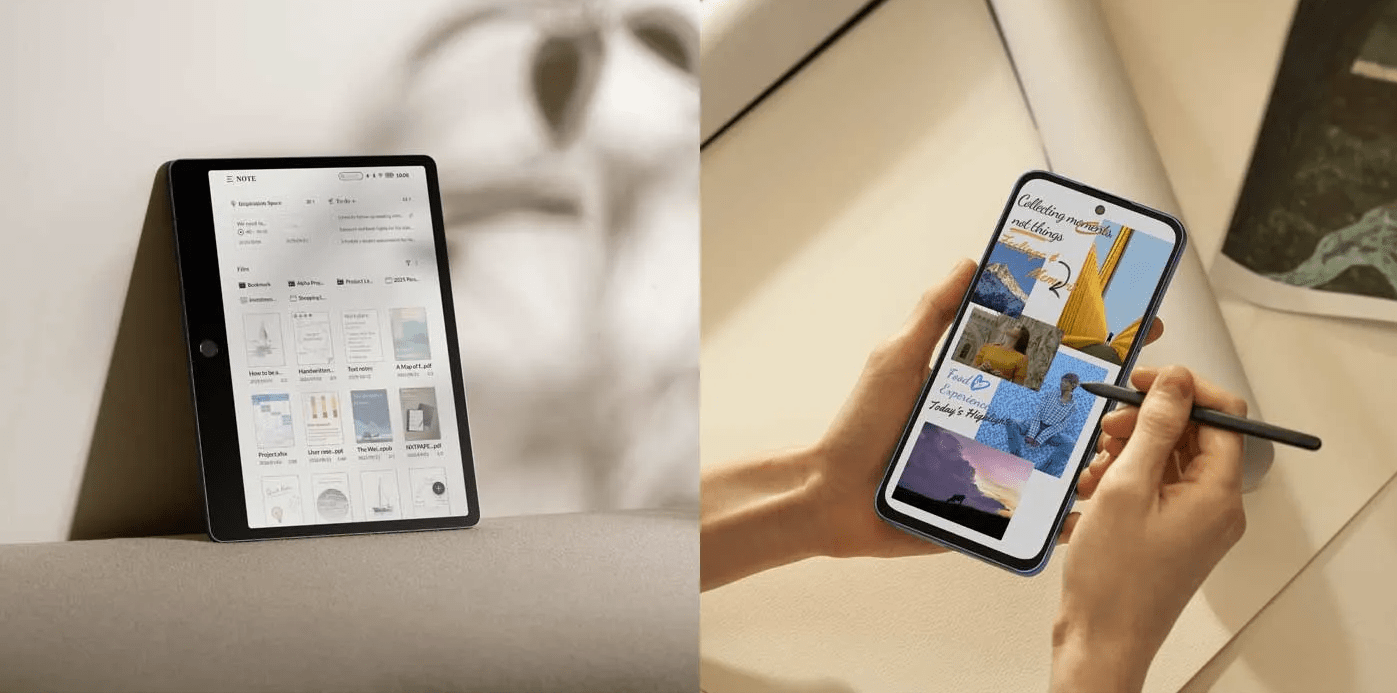
Industry sources indicate Sun is now associated with Sydney-based distributor Ruio, which has recently launched a low-cost smartphone range targeting the entry-level segment, competing with brands including TCL, Motorola and Oppo, he has also been linked with Honor.
TCL’s Australian mobile business was previously led by Sam Skontos, who was credited with helping the company reach the number three position in the local smartphone market. Market observers believe the new structure could position TCL to strengthen its presence in the competitive Android segment.
The company is expected to recruit new management for the mobile division, which will be based out of TCL’s Melbourne headquarters.
Globally, TCL has been expanding its mobile footprint by focusing on mid-range devices featuring its proprietary display technology rather than competing directly with premium players such as Apple and Samsung.
A key differentiator is its NXTPAPER display, which incorporates hardware-level blue light filtering and anti-glare technology aimed at reducing eye strain. The feature also includes a “Max Ink Mode” designed to mimic an e-ink display for extended reading.
At Mobile World Congress 2026, the Company launched the TCL NXTPAPER 70 Pro, central to this experience is the innovative NXTPAPER Key, which allows users to seamlessly switch between display modes, ensuring optimal viewing for every situation.
It also remains a fully capable daily smartphone with AI-powered capabilities, a 50MP OIS camera system, and reliable all-day performance. Guided by TCL’s “Make Technology More Human” commitment, TCL continues to advance and expand NXTPAPER display innovation to help users move more fluidly between work, study, communication, and creative expression, as a response to a growing human need for more comfortable, less fatiguing digital life.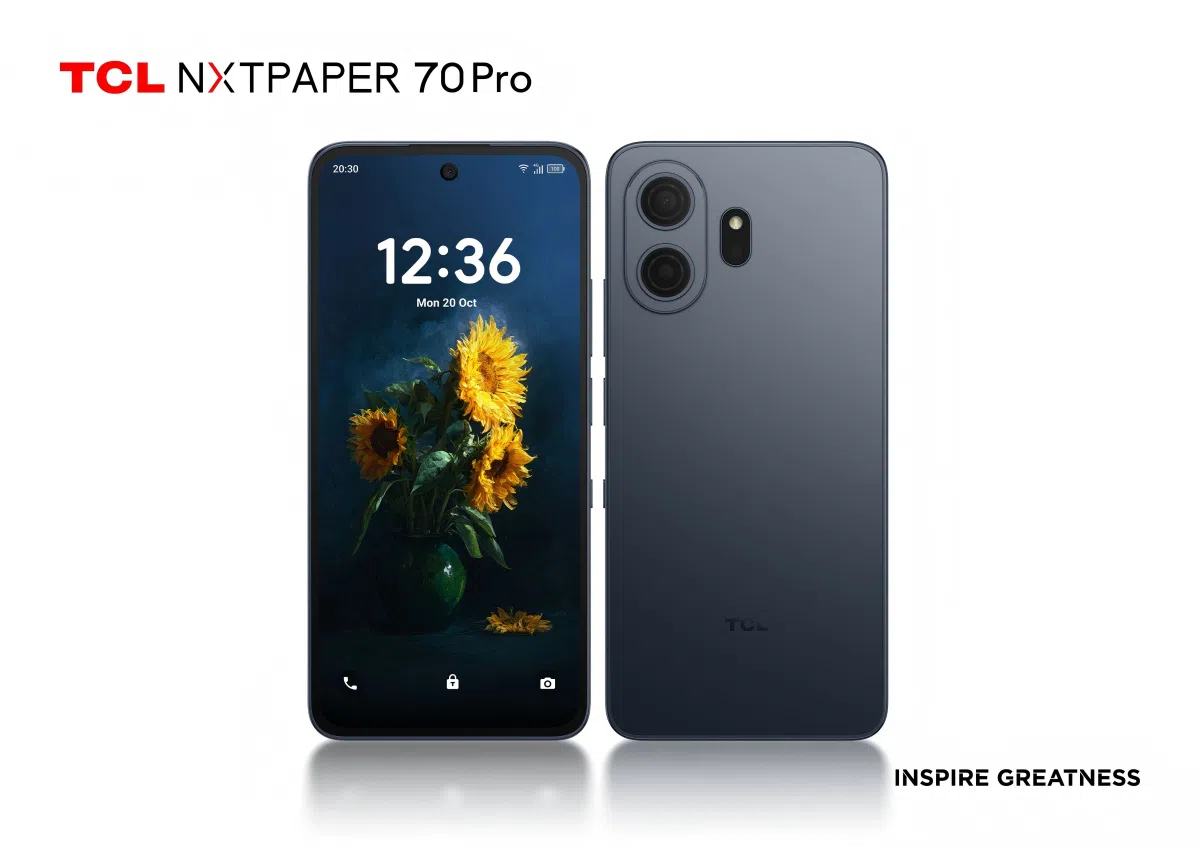
The company has also broadened its mobile ecosystem to include tablets, audio products and emerging categories such as augmented reality and portable projection devices.
In addition, TCL has formed a partnership with Microsoft to integrate artificial intelligence features into its devices, including tools for translation, summarisation and productivity assistance.
TCL products, including mobile phones and tablets, are currently stocked by major Australian retailers such as Harvey Norman, JB Hi-Fi and Officeworks.
While TCL remains a smaller player compared with global leaders, analysts say its focus on affordable devices with differentiated display technology has enabled it to build a growing presence in markets such as the United States and parts of Europe.
The restructure in Australia is expected to align the company’s local strategy with its global growth ambitions.