EXCLUSIVE: Chinese Government Entity Set To Gain Control Of Telstra And Optus Smartphone Supplier In $5.6 Billion Shake-Up
 David Richards
04 Nov 2026
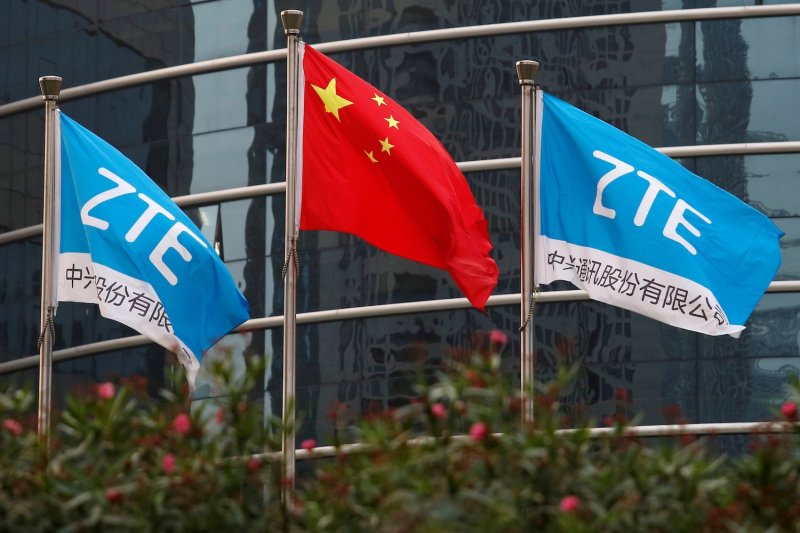
Two of Australia’s biggest telecommunications carriers, Telstra and Optus, could soon find themselves sourcing house-brand smartphones from a new Chinese joint venture backed by a Shanghai government-owned enterprise, raising serious questions about ownership transparency, security assessments and what Australian consumers will be told.
Chinese telecommunications giant ZTE, which manufactures a significant proportion of the smartphones sold under the Telstra and Optus brands, is reportedly negotiating a major restructuring of its consumer handset business.
The proposed US$5.6 billion (approximately A$8 billion) transaction would see ZTE carve out its mainstream smartphone operations into a new joint venture involving an unnamed Chinese internet company and a Shanghai state-owned enterprise.
The internet company is reportedly prepared to contribute US$1.1 billion, with negotiations continuing over the final valuation, ownership structure and control of the new business.
For Telstra and Optus, the implications could extend well beyond a routine change of supplier ownership.
If the deal proceeds as reported, smartphones carrying the branding of Australia’s two largest mobile network operators could be manufactured by a business in which a Chinese government-controlled entity holds a significant financial interest.
The critical questions are how much influence that shareholder would exercise, whether the new ownership structure would trigger additional security scrutiny and whether Australian consumers would be informed of the changes.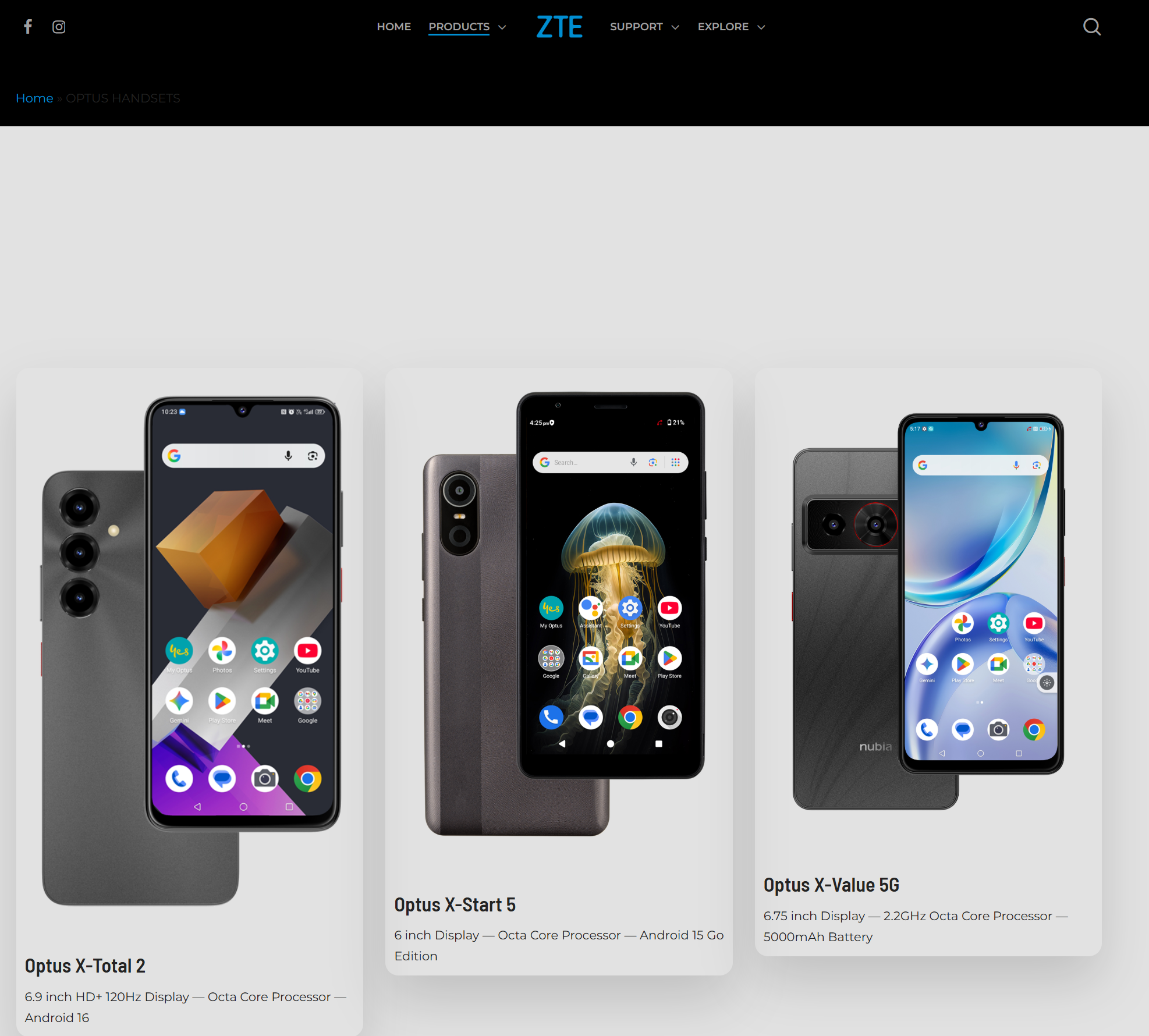
According to sources familiar with the proposed transaction, negotiations began earlier this year, with the parties reportedly reaching broad agreement on a restructuring model in September.
An announcement had been targeted for later this month, although the final deal structure and shareholder arrangements remain unresolved.
The proposal involves separating ZTE’s mainstream consumer smartphone operations from its broader telecommunications business.
Routers, mobile broadband equipment and home terminal devices would remain with the ZTE parent company, while the RedMagic gaming smartphone business would sit outside the proposed transaction.
The new venture would concentrate on mainstream consumer handsets, including international operations that supply telecommunications carriers such as Telstra and Optus.
A subsidiary identified as Shanghai Shenqi Jiyuan Intelligent Terminal Company has reportedly been established as part of the restructuring, with smartphone employees said to have been transferred into the business.
If completed, the transaction could leave Telstra and Optus dealing with two separate corporate structures behind products currently supplied by ZTE.
Their house-brand smartphones could come from the new joint venture, while ZTE-branded and carrier-branded modems, routers and home broadband equipment would remain with the existing parent company.
That division raises questions about supply agreements, software support, product certification, security responsibilities and who would ultimately be accountable for devices sold to Australian customers.
ZTE’s Troubled History With US Regulators
The proposed restructuring also revives memories of ZTE’s previous confrontation with American regulators, which disrupted its Australian telecommunications business.
In 2018, the United States imposed a denial order restricting American companies from supplying technology to ZTE after authorities determined the company had violated the terms of an earlier sanctions settlement.

Former Telstra CEO Andy Penn proudly displays the Companies new ZTE portable network device
The consequences were immediate.
Telstra suspended sales of 22 ZTE-manufactured products, including Telstra-branded smartphones and mobile broadband devices.
At the time, the carrier said it hoped to resume selling the affected products once ZTE resolved its regulatory problems.
Sales subsequently resumed after the US restrictions were lifted.
ZTE’s then Australian managing director, Scott Zhang, acknowledged the company’s role as an original equipment manufacturer supplying telecommunications carriers, including Telstra and Optus.
The company’s dependence on overseas technology and its exposure to geopolitical restrictions became a major commercial issue.
Nikkei subsequently reported that ZTE had considered selling its smartphone operations, with Huawei, Oppo and Xiaomi identified as potential buyers.
Huawei and Oppo denied involvement in acquisition discussions.
The latest restructuring proposal appears to represent a different approach, involving a carve-out of the smartphone business rather than the sale of ZTE itself.
Telstra And Optus Still Heavily Exposed To ZTE
Despite the earlier disruption, ZTE remains an important supplier to Australia’s telecommunications market.
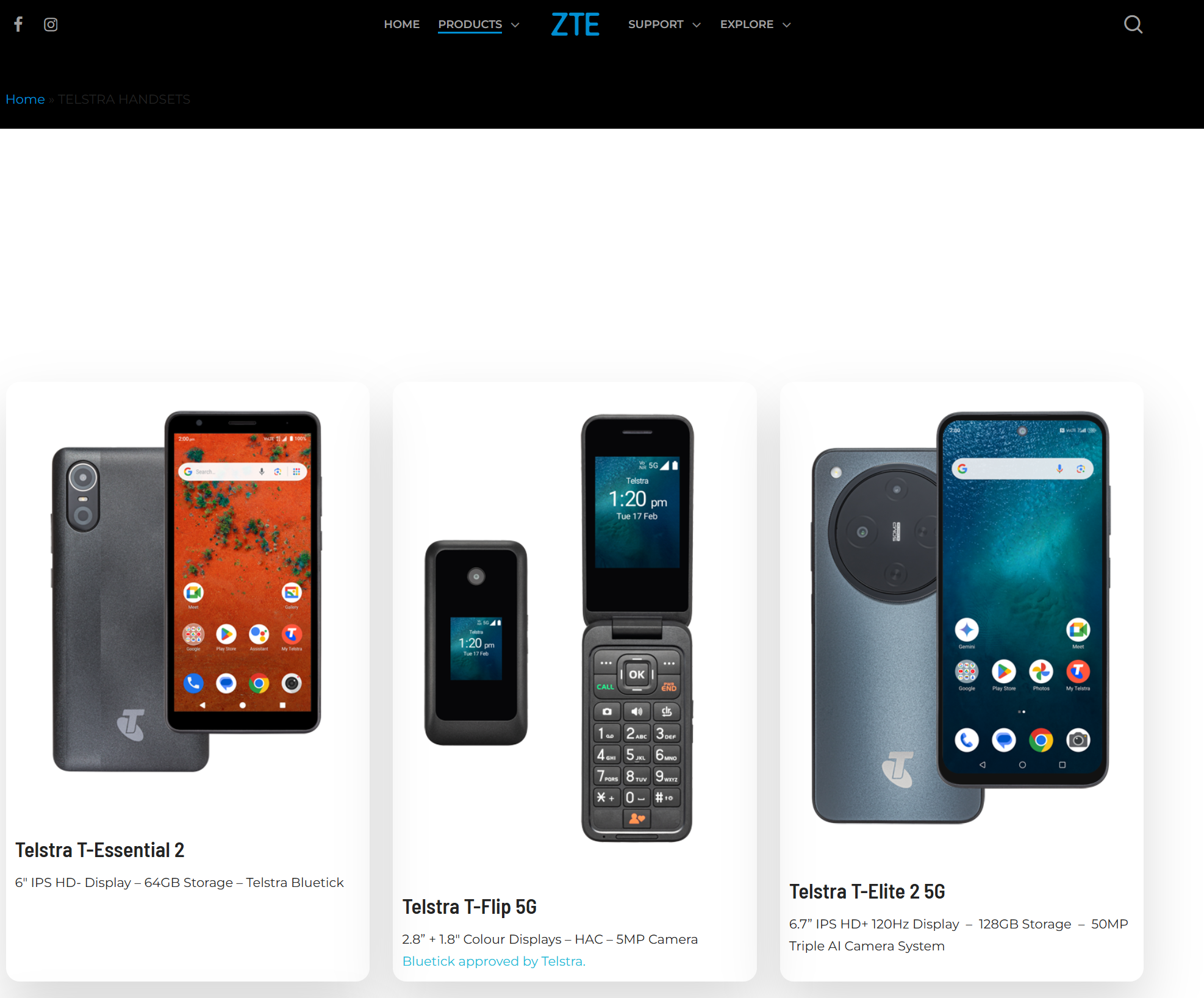
Earlier this year, ChannelNews reported that ZTE’s Australian website identified 11 ZTE-manufactured handsets being sold under the Telstra brand.
The site also listed a 5G Wi-Fi hotspot, two 4G hotspots and additional 5G and 4G hubs aimed at residential and business customers.
Optus was identified as offering 11 ZTE-manufactured handsets, alongside 5G and 4G modems, a Wi-Fi hotspot, a USB connectivity device and a 4G home modem.
These product listings illustrate the extent to which both carriers have relied on the Chinese manufacturer to deliver affordable smartphones and connectivity hardware.
For consumers, the ZTE relationship is not always immediately obvious.
Many of the devices are marketed primarily under the Telstra or Optus brands, rather than the name of the company responsible for manufacturing them.
That creates a potentially sensitive issue if the ownership of the underlying smartphone business changes.
Customers purchasing a Telstra or Optus prepaid smartphone may have little awareness of ZTE’s involvement, let alone the possibility that a Chinese state-owned enterprise could become a shareholder in the company producing their handset.
Chinese State Ownership Raises New Questions
The proposed transaction has similarities to the restructuring of Honor, the former Huawei smartphone subsidiary.
Honor was sold in 2020 to a consortium of Chinese companies backed by a Shenzhen government-linked entity, in a transaction designed to separate the smartphone business from Huawei following US sanctions.
ZTE’s proposed joint venture would introduce another ownership arrangement involving Chinese state capital into the international smartphone supply chain.
However, the precise level of state ownership, voting rights and operational control under the proposed ZTE transaction has yet to be established.
That distinction matters.
A government-owned shareholder does not automatically mean a government directly controls day-to-day product development, software management or customer data.
Nevertheless, the proposed involvement of a Shanghai state-owned enterprise is likely to raise legitimate questions about governance, cybersecurity oversight and the safeguards applied to devices supplied to Australian telecommunications customers.
For Telstra and Optus, those questions could become increasingly difficult to avoid.
Both carriers operate critical communications infrastructure and are subject to Australian telecommunications security obligations.
While the ownership of a smartphone manufacturer is not necessarily equivalent to the ownership of telecommunications network infrastructure, any significant change in supplier ownership could warrant a fresh assessment of commercial, technical and security risks.
The separation of ZTE’s smartphone and connectivity equipment businesses could also create additional complexity around software updates, firmware maintenance, security patches and long-term product support.
What Will Telstra And Optus Tell Their Customers?
The biggest unanswered question is what Telstra and Optus intend to do if the proposed restructuring proceeds.
Will either carrier conduct a new security and ownership assessment before continuing to source smartphones from the joint venture?
Will management examine the proposed shareholder structure, including the rights and influence of the Shanghai state-owned enterprise?
Will existing supply agreements be renegotiated, and will Australian customers be informed that the corporate ownership behind their carrier-branded smartphones has changed?
There is also the question of whether either carrier will seek assurances over software development, access to sensitive technical information and the management of future security updates.
The issue is particularly relevant given ZTE’s history of regulatory difficulties in the United States and the heightened scrutiny of Chinese telecommunications suppliers in Western markets.
Australia has previously taken a hard line on security risks associated with telecommunications equipment, including excluding high-risk vendors from involvement in 5G network infrastructure.
That policy does not amount to a ban on Chinese-manufactured consumer smartphones, but it highlights the importance successive Australian governments have placed on telecommunications supply-chain security.
For Telstra and Optus, the commercial attraction of affordable, carrier-branded smartphones is obvious.
What is less clear is whether either company has considered the implications of those devices potentially being supplied by a newly structured Chinese business with a government-owned shareholder.
The issue is not simply where the smartphones are manufactured. It is who owns the company behind them, who exercises control and what safeguards exist for Australian customers.
Until the proposed transaction is finalised, the exact ownership and governance arrangements remain uncertain.
But if a Shanghai state-owned enterprise becomes a major shareholder in the business supplying Telstra and Optus smartphones, both carriers will face a straightforward question.
What due diligence have they undertaken, and why shouldn’t Australian consumers be told exactly who is behind the smartphones carrying the Telstra and Optus names?