EXCLUSIVE: Cheap as Chips Sale Sparks Claims of Mismanagement, Missing Stock and Investor Losses
 David Richards
06 Apr 2026
David Richards
06 Apr 2026
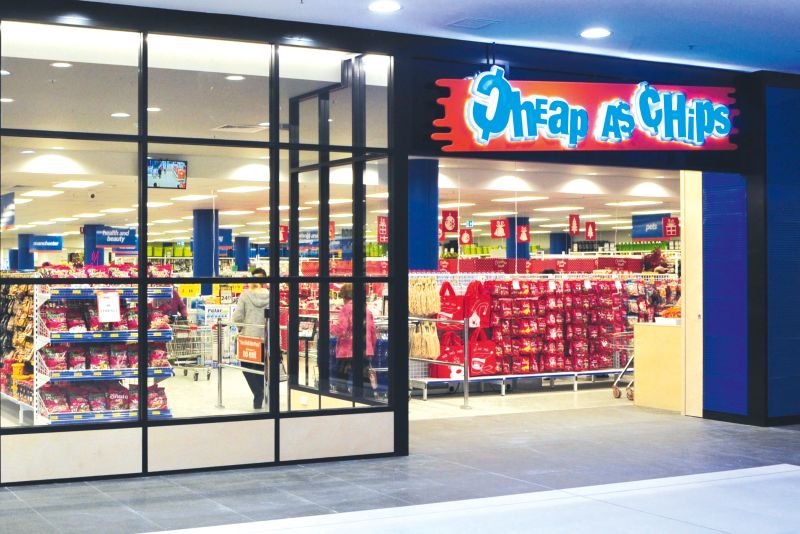
The collapse and subsequent sale of discount retailer Cheap as Chips has triggered a wave of allegations from investors, suppliers and creditors, who describe the company’s downfall as a case of “gross mismanagement” marked by questionable payments, missing inventory and mounting debt.
Administrators Glenn Livingstone, Benjamin Ho and Nicholas Charlwood of WLP Restructuring confirmed the business was sold late last month to Queensland-based discount chain Choice for $10.2 million is is now subject to a Deed of Company Arrangement (DOCA).
Of that amount, just $2.36 million will be distributed to creditors holding valid PPSR (Personal Property Securities Register) claims.
However, the final sale price fell short of expectations after administrators uncovered significant discrepancies in stock levels across stores nationwide. According to their report, inventory recorded by the former management team was “significantly higher” than what physically existed.
The retailer had been led by CEO Nick Aboud, formerly of failed electronics chain Dick Smith, which collapsed with debts exceeding $350 million. In the lead-up to Cheap as Chips’ administration, the business was reportedly losing up to $2 million per month.

Former Chippie CEO Nick Abboud got a fistfull of dollars despite yet another collapse of a retailer under his management.
Despite this, Aboud received a $430,388 “success fee” for securing a potential buyer, along with a $550,000 redundancy payout — payments now drawing scrutiny from creditors.
Investor anger has intensified, with minority shareholders alleging the company was burdened with excessive debt by former owner Alceon, eroding shareholder value. Some claim critical financial information was withheld.
“Stock discrepancies were known for at least a year before the sale,” one investor said. “The board and senior management were completely out of their depth.”
Suppliers have also voiced frustration, with some alleging the company had been trading while insolvent. One creditor described the situation as a “managed decline” designed to facilitate an exit strategy for major stakeholders.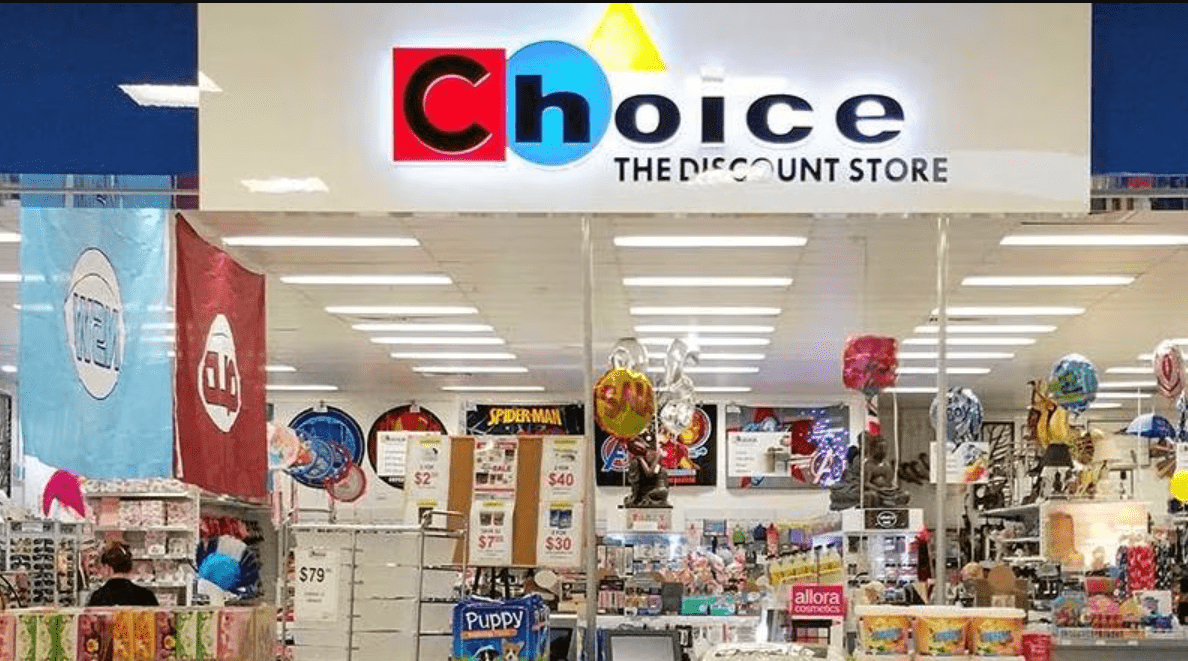
Under the Deed of Company Arrangement (DOCA), unsecured creditors are expected to receive nothing. Funds from the sale will instead cover employee entitlements and secured creditors.
All Cheap as Chips stores have now transferred to Choice, which has retained most store employees. Fourteen head office staff have been made redundant and will receive entitlements through the DOCA process.
While the company has exited administration, creditors have been told to await a final report detailing expected returns — though for many, losses are already locked in.