De’Longhi Australia Defies Retail Headwinds with Record $221M Revenue Surge
 David Richards
14 May 2026
David Richards
14 May 2026
In a year defined by inflationary pressures and tightening household budgets, De’Longhi Australia has proved that the morning caffeine ritual remains “recession-proof.”
The Italian-owned appliance titan has delivered a blistering set of financial results, leveraging high-tech innovation and aggressive supply-chain maneuvers to post record local earnings.
According to the latest statutory filings with the Australian Securities & Investment Commission (ASIC), the group’s local operation has tracked the explosive trajectory of its Treviso-based parent company.
As of December 2025, De’Longhi Australia saw its bottom line swell from $6.48 million to $7.5 million, a result underpinned by a revenue jump to $221.7 million.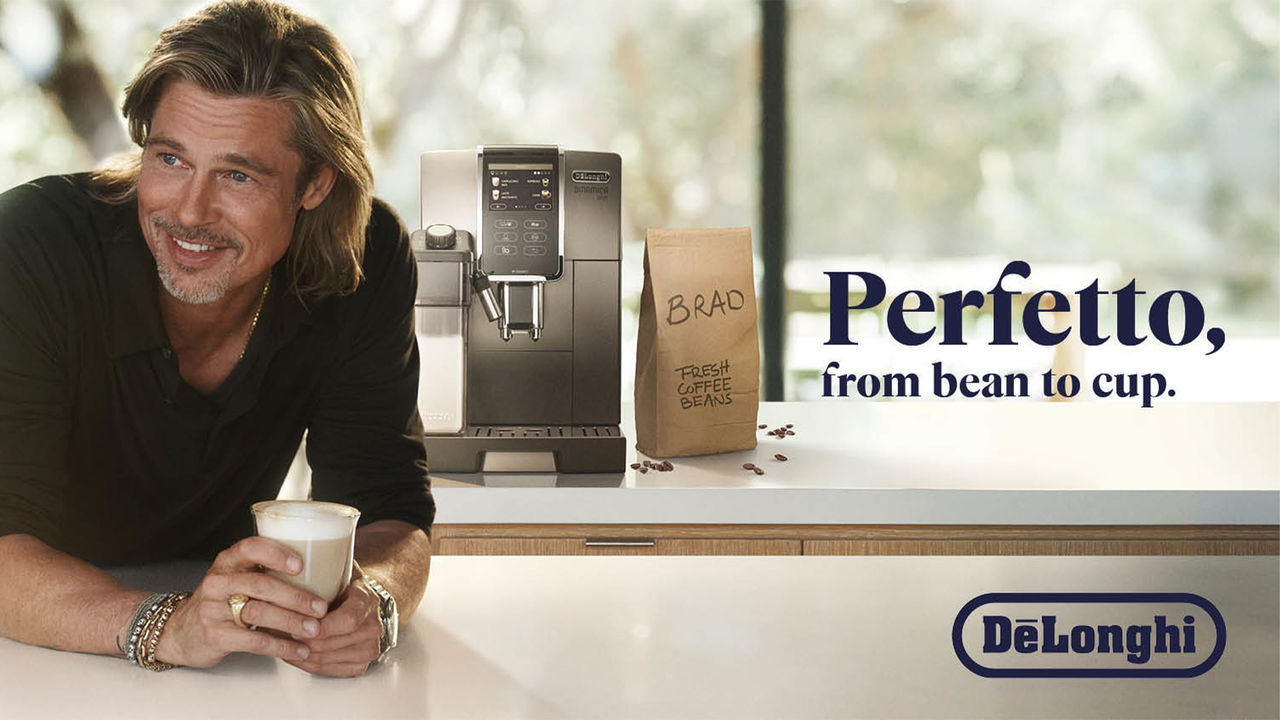
The “Automatic” Boom and Professional Dominance
While the broader appliance market has faced stagnation, De’Longhi’s focus on high-margin, fully-automatic machines has paid off. Despite a downturn in manual machine sales—a sign that consumers are prioritizing convenience over the “home barista” learning curve—the company’s automatic segment grew at a mid-teens rate.
The growth was even more pronounced in the high-end and commercial sectors:
The Professional Division: Soared by 53.5% in the first half of 2025, spearheaded by the prestige La Marzocco brand.
Regional Performance: The Asia-Pacific region, with Australia and New Zealand as core pillars, achieved an organic revenue growth of 10.8%.
Currency Impact: Analysts noted that without the drag of “significant currency headwinds,” the regional growth would have sat at a dominant 18.1%.
Geopolitical Chess: From “Brewers” to “Computers”
Perhaps the most striking aspect of De’Longhi’s 2025 strategy is its aggressive navigation of global trade wars. To combat the “Trump Tariffs,” the company executed a masterclass in regulatory reclassification.
By rebranding its high-end coffee makers as “computers”—arguing they are sophisticated devices that process data, store information, and execute complex programs, De’Longhi successfully qualified for a US tariff exemption.
This creative legal pivot allowed the company to evade a 15% price hike that would have otherwise been passed on to consumers.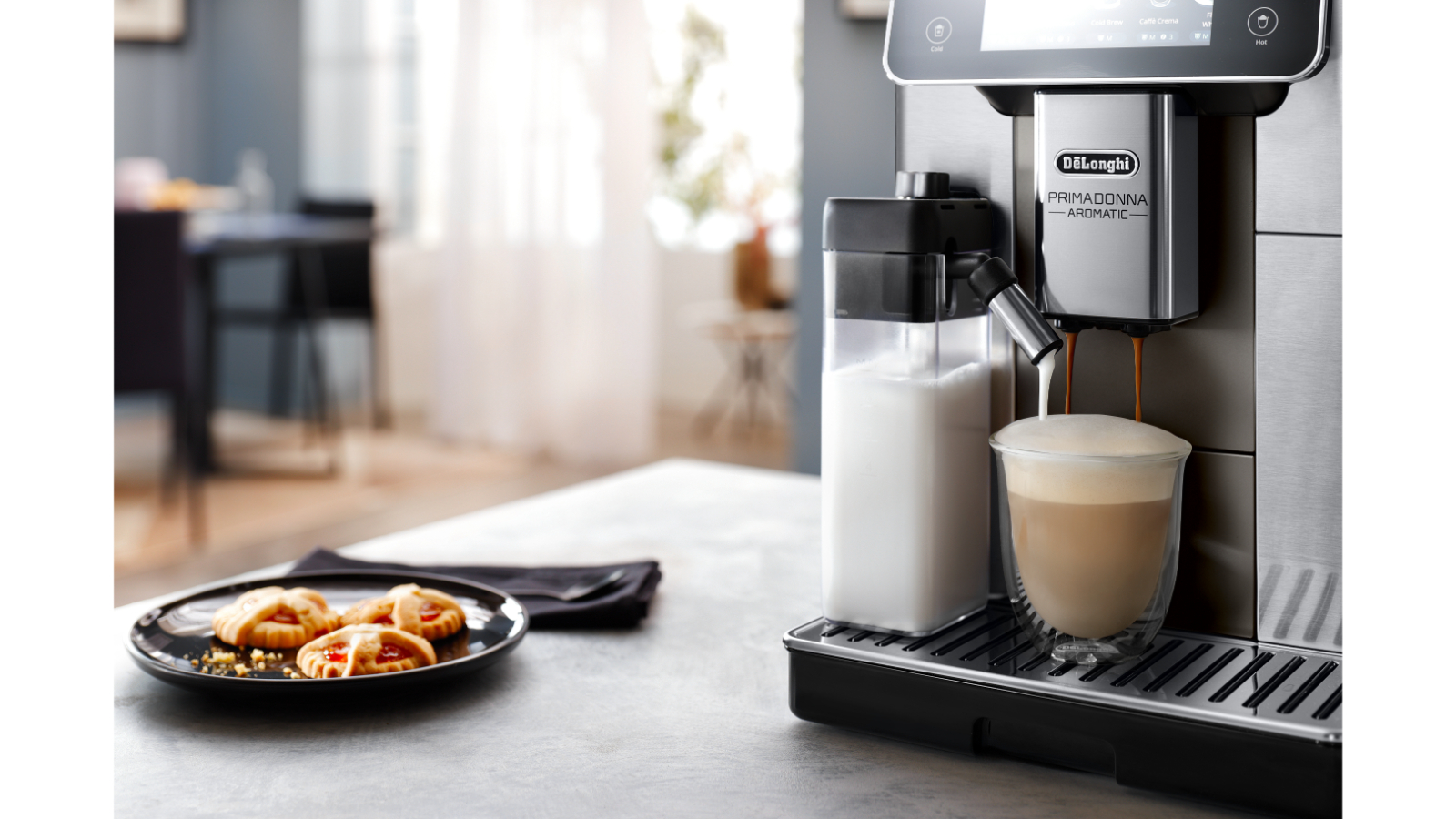
Simultaneously, the group is de-risking its manufacturing footprint.
Production of the Nutribullet brand is currently being uprooted from China and relocated to Southeast Asia and Europe to “mitigate tariff impacts and optimize the global supply chain.”
A Crowded Countertop: The Challenges Ahead
Despite the celebratory figures, the ASIC filings and management commentary reveal a “highly competitive” landscape that is becoming increasingly difficult to police.
“The household coffee machine market is reaching a saturation point where approximately 30% of consumers report difficulty navigating the sheer volume of available models,” a management note stated.
Further complicating the outlook is the “pricing floor” being set by low-cost manufacturers.
Analysts suggest that De’Longhi is being forced into a “feature arms race,” where it must integrate increasingly expensive technology and design into existing price points just to defend its turf against budget rivals.
Portfolio Strength
De’Longhi’s local success is not a solo effort. The company’s vast stable of brands—including Kenwood, Braun, and Nutribullet, has allowed it to maintain a presence in every corner of the Australian home, from air purification to floor care.
However, there is no mistaking the primary driver: globally, coffee accounted for 62% of the parent company’s 8.7% growth.
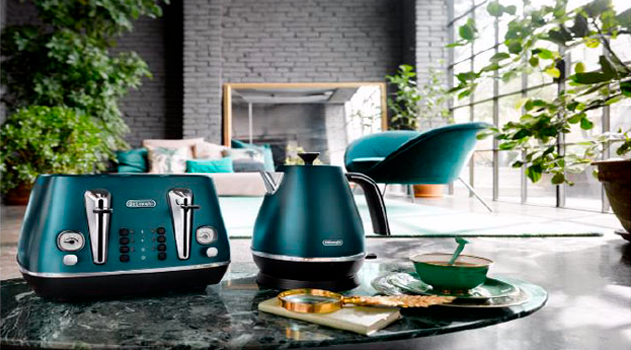
With newlocal marketing campaigns for the Icona Capitals collection and the launch of the compact Dedica Duo, De’Longhi is betting that Australians will continue to spend up on their kitchen counters, even if they’re cutting back elsewhere.