Shoppers Tighten Spending as Economic Concerns Weigh on Retail
 Emma Wheaton
19 Aug 2026
Emma Wheaton
19 Aug 2026
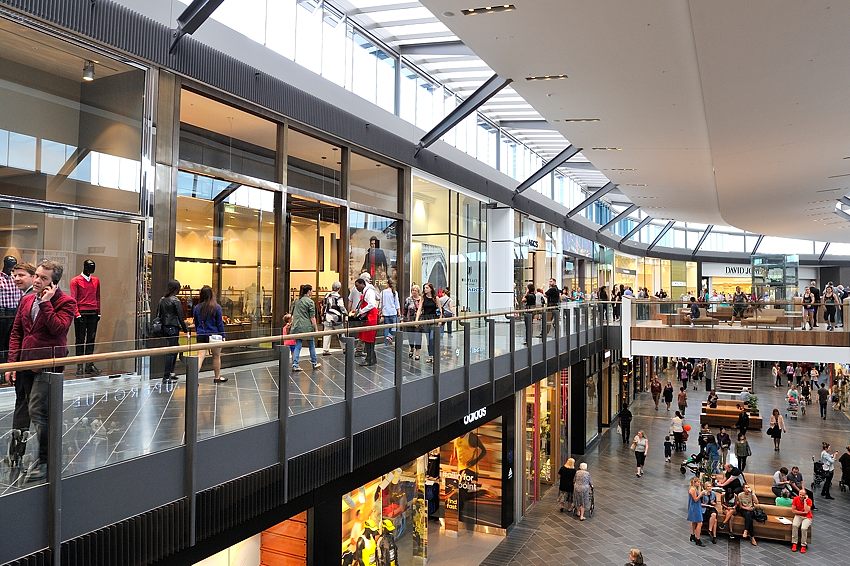
Australian shoppers are becoming increasingly cautious with their spending as economic uncertainty and a downturn in the housing market put pressure on household budgets, according to observations from Region’s shopping-centre portfolio, as reported by the Australian Financial Review.
More cost-conscious shopping is emerging across suburban retail centres with consumers prioritising essential purchases. Value is becoming a bigger priority, with consumers showing greater caution around discretionary spending.
Cautious consumer spending has the potential to put pressure on discretionary retailers, including technology, electronics, fashion, homewares and other non-essential categories.
According to the AFR, Region, which operates one of Australia’s largest networks of suburban shopping centres, is seeing evidence of shoppers changing their behaviour. With a portfolio that includes major supermarkets, the company is well placed to note consumers’ spending on essential goods as well as discretionary products.
The changing behaviour comes against a backdrop of renewed concerns about household finances and the Australian housing market which is also creating a more challenging environment for retailers.

Consumers who remain willing to spend are increasingly likely to compare prices, seek promotions and focus their budgets on necessary purchases. So retailers may need to compete more aggressively on price, particularly as shoppers compare products and prices online before making purchases.
Consumers may increasingly delay upgrades and larger purchases, particularly where existing products can continue to be used and promotions and discounts are likely to become more important to shoppers, who may seek better deals before committing to discretionary purchases.
For retailers, this creates a balancing act between driving sales through discounts and protecting margins. It’s a shift that could increase the demand for cheaper products, value bundles and previous-generation technology.
The latest signs of thriftiness come as Australia’s economic outlook remains uncertain, with households continuing to contend with elevated living costs and borrowing expenses.
The developments point to a potentially more cautious retail environment heading into the remainder of 2026. Consumers have not stopped spending but are increasingly being selective about where and how they spend their money.