DAZN Boss Denies Foxtel Sale As Tabcorp CEO Remains Silent On Takeover Speculation
 David Richards
20 Oct 2026
DAZN chief executive Shay Segev has moved to shut down speculation that Foxtel could be sold to gambling giant Tabcorp, declaring that the Australian pay television and streaming operation is not for sale, despite reports that discussions have taken place over a potential transaction.
Tabcorp chief executive and former AFL boss Gillon McLachlan has remained remarkably quiet following claims that the wagering group was considering either taking a stake in Foxtel or acquiring the business outright.
The speculation has raised questions about why DAZN, which acquired Foxtel in a A$3.4 billion transaction announced in December 2024, would consider disposing of the business less than two years later.
The Australian Financial Review, which is owned by Nine Entertainment, a direct competitor to Foxtel through its Stan streaming operation, initially reported that a potential sale was being discussed.
The newspaper has since claimed that investment bank Barrenjoey was involved in the discussions. Barrenjoey previously advised on the Foxtel transaction.
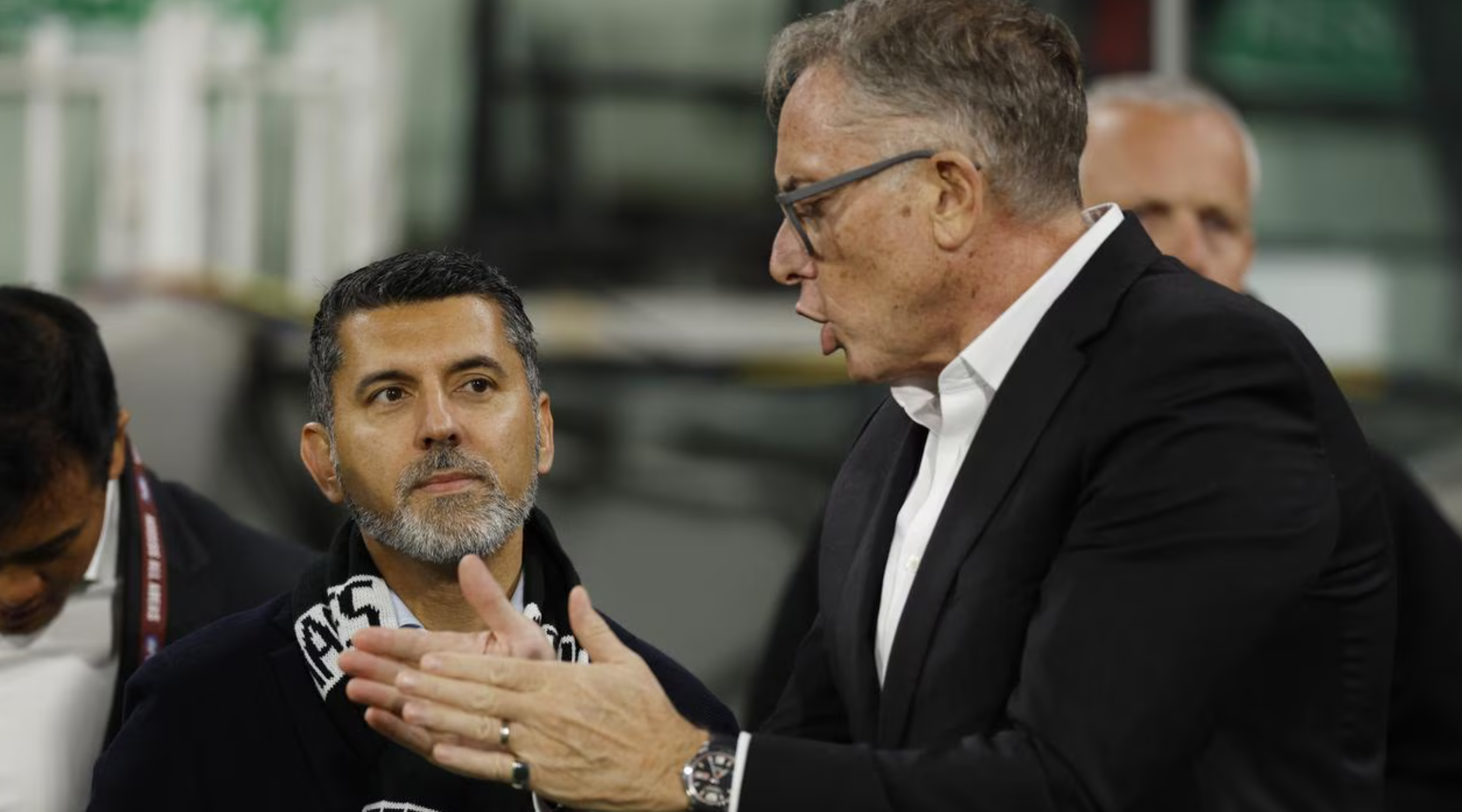
DAZN chief executive Shay Segev left gets an explanation on how AFL football is played from Patrick Delany the former CEO of Foxtel.
However, Segev has now moved to publicly reject suggestions that DAZN is preparing to exit the Australian market.
In a memo circulated late on Monday, 19 October, Segev delivered an unequivocal denial.
“DAZN is not looking to sell Foxtel. Quite the opposite – we are investing in the business and its future growth,” he said.
Segev also described Australia as a “core market” for DAZN and a critical component of the group’s long-term international strategy.
He went further, declaring that Foxtel was a business “which we expect to remain profitable for years to come”.
The comments raise questions about the nature of any discussions involving Tabcorp, whether they were preliminary approaches or whether alternative investment structures were being considered.
There is also the question of whether Tabcorp has the financial capacity to acquire Foxtel outright, particularly given the size of the original DAZN transaction and the substantial financial commitments associated with premium sports broadcasting rights.
McLachlan, who has extensive relationships across Australian sport following his tenure as AFL chief executive, has yet to publicly clarify whether Tabcorp has any interest in Foxtel.
For Tabcorp, access to Foxtel’s substantial sports audience, particularly through Kayo, could potentially provide significant commercial opportunities as the wagering group battles competitors in Australia’s highly competitive betting market.
However, any transaction linking a major wagering operator with a sports broadcasting business would also be likely to attract regulatory scrutiny, particularly around gambling advertising, consumer protection and the relationship between betting and live sport.
Segev’s denial comes as DAZN continues to restructure Foxtel’s senior management, including the promotion of former Foxtel chief executive Patrick Delany to the position of global chief operating officer at DAZN.
Delany, who oversaw Foxtel’s transformation from a traditional subscription television operator into a business increasingly reliant on streaming services Kayo and Binge, played a central role in positioning the company for its eventual sale.
His promotion gives DAZN access to an executive with extensive experience in sports broadcasting rights, subscription streaming and the Australian media market.
Delany has reportedly secured his UK residency visa, clearing the way for him to take up his expanded international responsibilities.
He has been replaced at Foxtel by Peter O’Connell, the former Amaysim executive who has considerable experience in corporate transactions and business restructuring.
O’Connell’s appointment has prompted speculation about whether DAZN could be preparing Foxtel for a future transaction, although there is no evidence that his recruitment was connected to a potential sale.
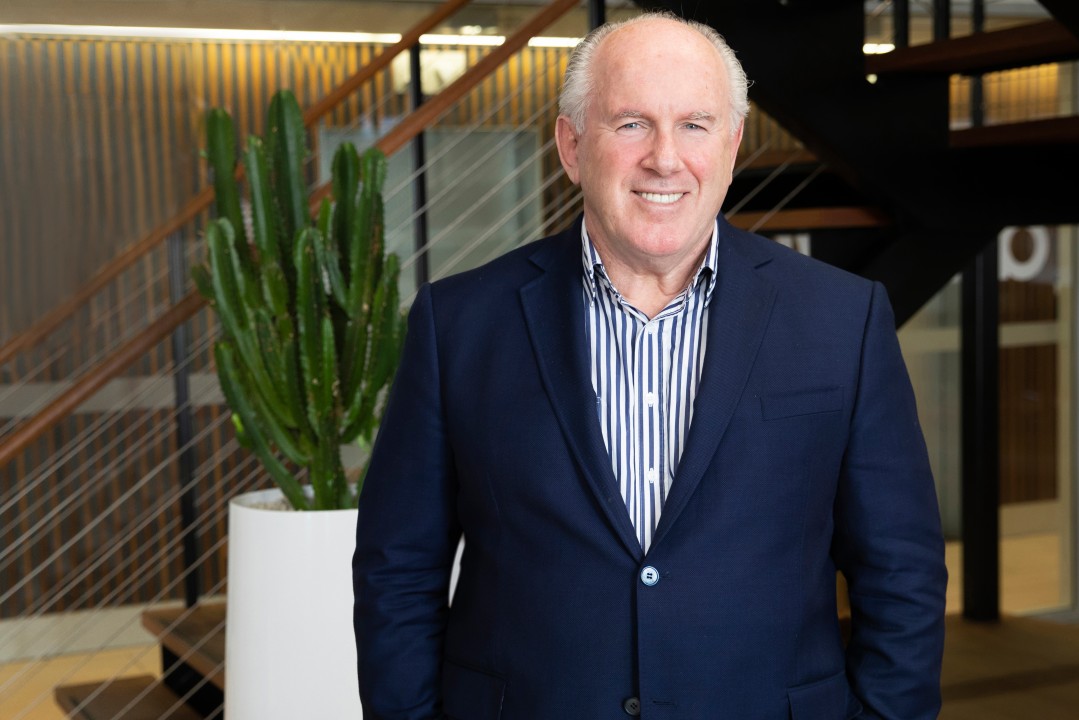
Peter O’Connell the new CEO of Foxtel
Segev insists that the integration of Foxtel into DAZN has been successful, describing himself as “extremely pleased” with the progress made since the acquisition.
A critical part of DAZN’s Australian strategy is the long-term value of Foxtel’s sports broadcasting rights, particularly its relationship with the National Rugby League.
The recently negotiated NRL broadcasting arrangement, reported to be worth approximately A$500 million annually over eight years, is being positioned as a major foundation for future growth.
According to Segev, the agreement provides long-term certainty for the business, while strengthening its ability to attract and retain subscribers.
The importance of those rights cannot be understated.
Foxtel’s Kayo streaming operation has become a critical component of the group’s business model, delivering live AFL, NRL, cricket, Formula One and other premium sports to Australian subscribers.
Unlike traditional entertainment streaming, where consumers can move between competing services depending on available programming, exclusive sports rights provide a powerful incentive for subscribers to maintain their subscriptions during major sporting seasons.
However, the substantial cost of securing those rights also creates pressure to maintain subscriber numbers, increase revenue per customer and reduce cancellations during periods when major sporting competitions are not being played.
DAZN’s original acquisition of Foxtel was built around the opportunity to combine the Australian company’s established sports broadcasting operations with its own international streaming platform.
When the transaction was announced in December 2024, Segev described Foxtel as a successful business and a significant addition to DAZN’s ambition to become the global home of sport.
He also committed to further investment in Foxtel’s television and streaming services, improving the customer experience and expanding the international distribution of Australian sporting content.
Those commitments now sit at the centre of his response to the latest takeover speculation.
While DAZN is principally focused on sports streaming, Foxtel operates a broader business spanning traditional subscription television, entertainment programming, streaming, advertising and premium sports rights.
That mix makes Foxtel a potentially attractive acquisition target for businesses seeking access to established subscription revenues and sports audiences.
It also raises questions about whether DAZN could eventually consider selling individual assets, introducing an investment partner or restructuring parts of the business without disposing of Foxtel outright.
For the moment, Segev is insisting that DAZN remains committed to owning and growing the Australian operation.
What remains unanswered is whether Tabcorp or its advisers have made an approach, whether Barrenjoey was acting on behalf of a potential buyer, and whether any discussions progressed beyond preliminary consideration.
Until McLachlan or Tabcorp clarifies its position, speculation about the wagering group’s interest in Foxtel is unlikely to disappear, despite Segev’s emphatic denial that DAZN is looking to sell.