CES Has A New Boss The Big Question Is, Will It Survive As A Consumer Trade Show As Brands Pull Out
 David Richards
12 Feb 2026
David Richards
12 Feb 2026
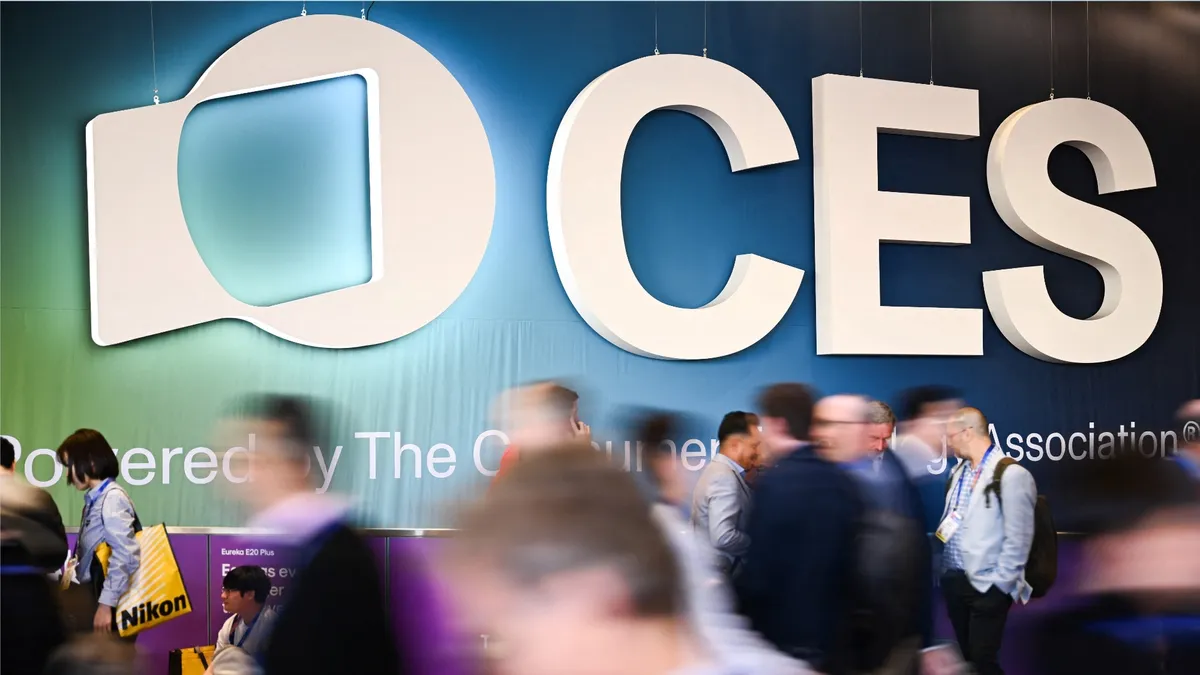
CES was built as a consumer electronics showcase. Now it’s fighting to prove it still matters when it comes to new consumer and appliance technology.
The Consumer Technology Association has installed a new leader, appointing Kinsey Fabrizio as President and CEO from May 1, 2026. Long-time frontman Gary Shapiro shifts to Executive Chair.
The timing is telling. Behind the leadership change is a harder truth: retailers are questioning whether the world’s biggest tech show still influences what they actually buy.
Several major retailers have told ChannelNews the Las Vegas event is slipping down the list when it comes to purchasing decisions. The spectacle remains. The business impact? Increasingly debated.

Samsung is no longer on the CES show floor.
In January, ChannelNews recorded its biggest month ever — 1.2 million unique visitors — much of that traffic driven by CES coverage. But there was a noticeable shift on the ground. Fewer Australian retail executives made the trip. Costs are surging. Brands are scaling back. Some skipped the show floor entirely, opting for tightly controlled hotel suite briefings — or not showing up at all.
We believe this led to our growth with retail management choosing to read about announcements than actually be there.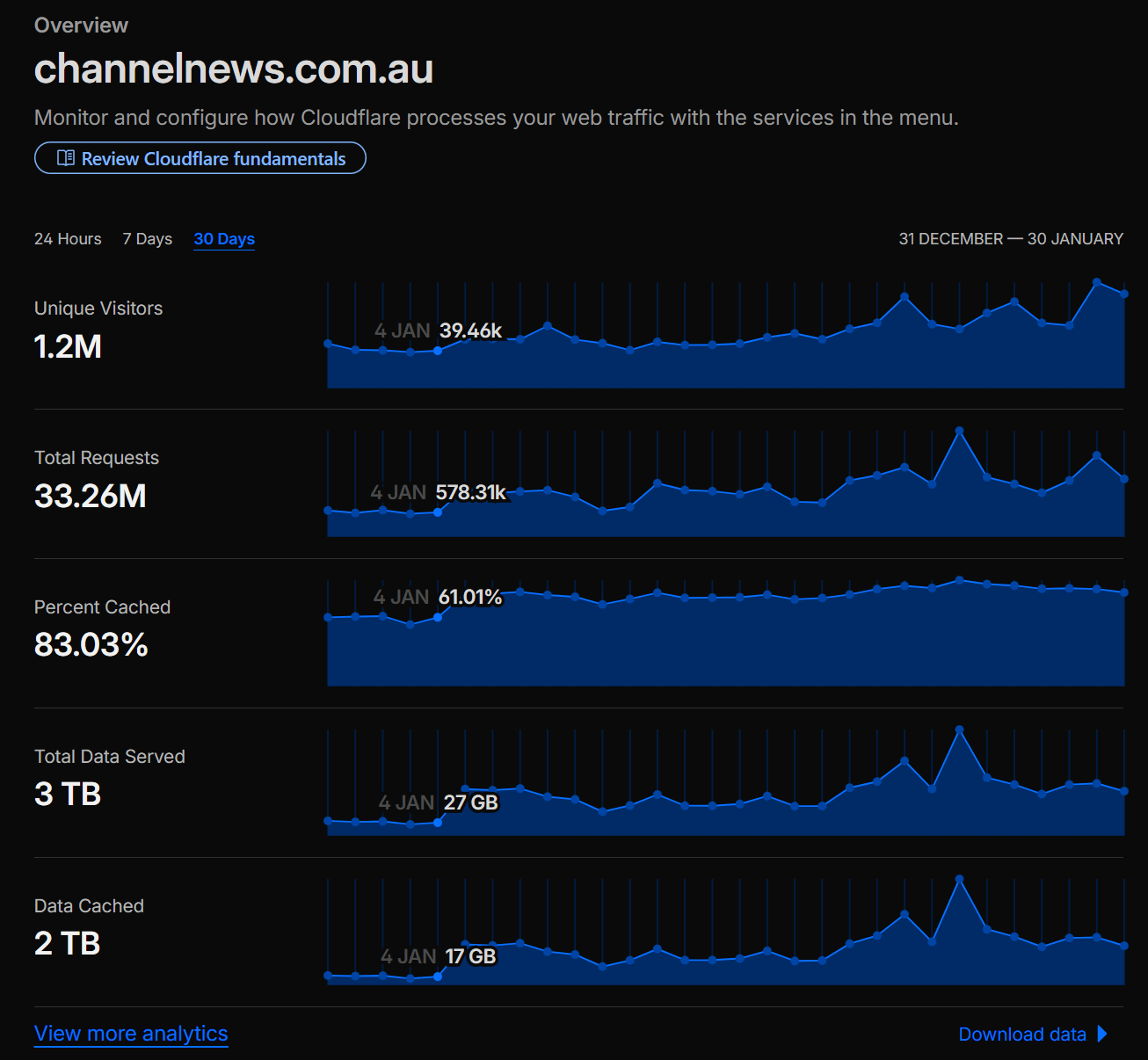
CES 2026 drew 148,000 attendees — down significantly on its peak years. Floor space was increasingly dominated by start-ups and aggressive Chinese and Asian brands pushing into Western markets. The show is still vast. But sheer size has become part of the problem.
Spread across multiple Las Vegas venues, CES feels less like a trade show and more like an endurance test. One US attendee described crossing the exhibition hall as “walking through Times Square.” Overwhelming. Noisy. Exhausting.
And expensive.
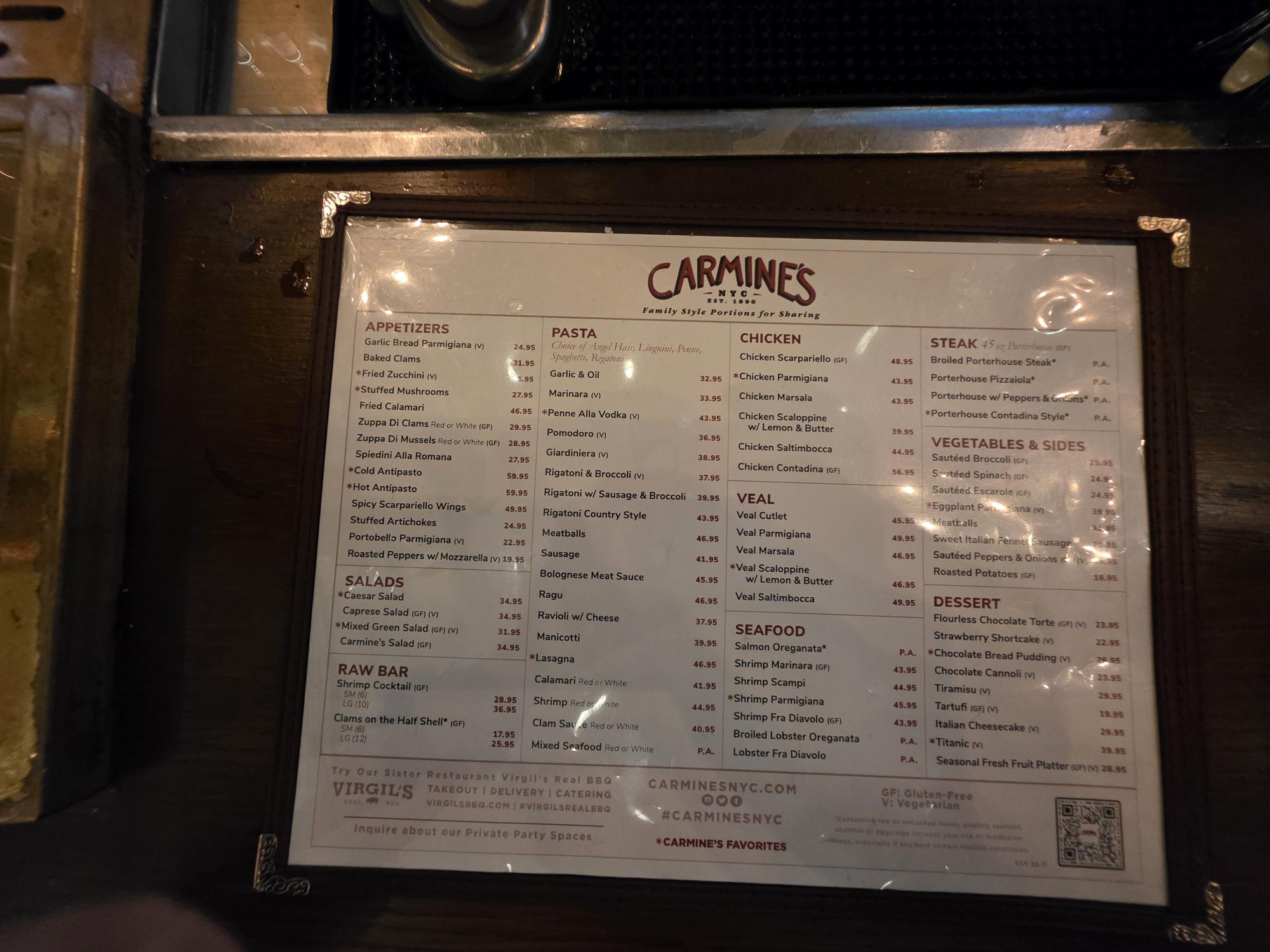
All prices shown are in US$ a steak was over A100 Australian
Short Uber rides between hotels can hit A$50. A simple plate of garlic bread in a shopping centre Italian restaurant? A$37. For retailers watching margins tighten, the math no longer adds up.
ChannelNews research indicates that IFA in Berlin is gaining favour with retailers. It’s more focused. More accessible. More commercially relevant.
Meanwhile, major brands are quietly rethinking their strategy. Harman — the Samsung-owned audio giant behind JBL — scaled back its presence. Samsung itself exited the show floor experiment, hosting its own event at the Wynn instead. Control the message. Control the audience. Avoid the chaos.
Even outside consumer electronics, companies are disengaging. Elon Musk’s ventures have long operated beyond CES. Increasingly, major product announcements are happening outside the January circus altogether — raising a critical question: does CES still set the tech agenda, or just amplify it?
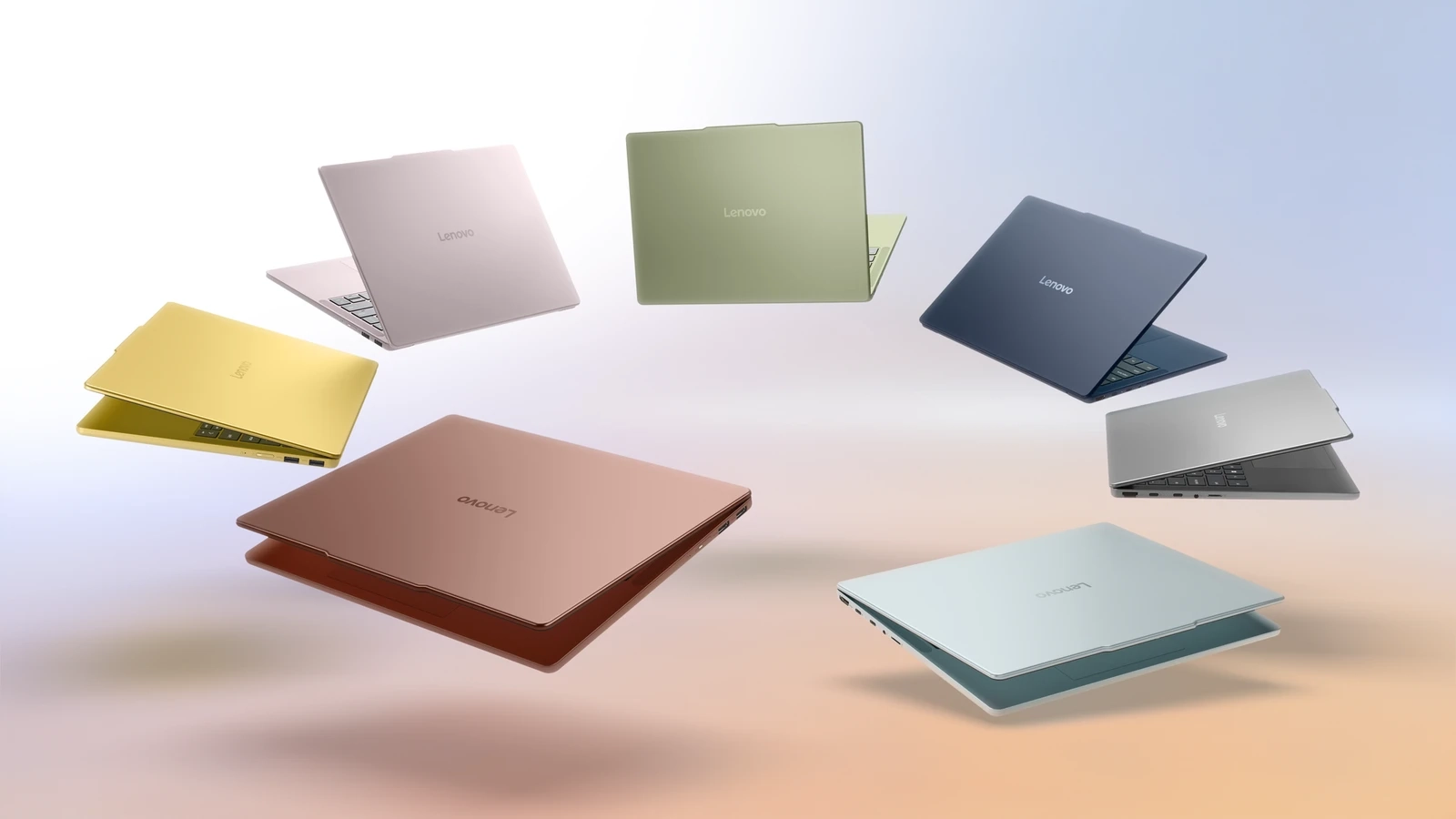
Chinese giants Lenovo and Motorola maintained strong showings — but refused access to several Australian media representatives, focusing instead on US and Chinese press. For an event that claims global reach, that decision did not go unnoticed.
Critics argue CES has become bloated and unfocused. Too big. Too expensive. Too diluted.
Small companies disappear in the noise. Larger brands question the ROI of multi-million-dollar stands. And too often the innovation feels incremental — existing products rebranded with an “AI” badge rather than genuine breakthroughs.
Some observers now ask whether CES needs to split in two: a retail-driven consumer product show, and a separate technology and mobility event for EV manufacturers, battery suppliers and automotive tech vendors who increasingly dominate the spotlight.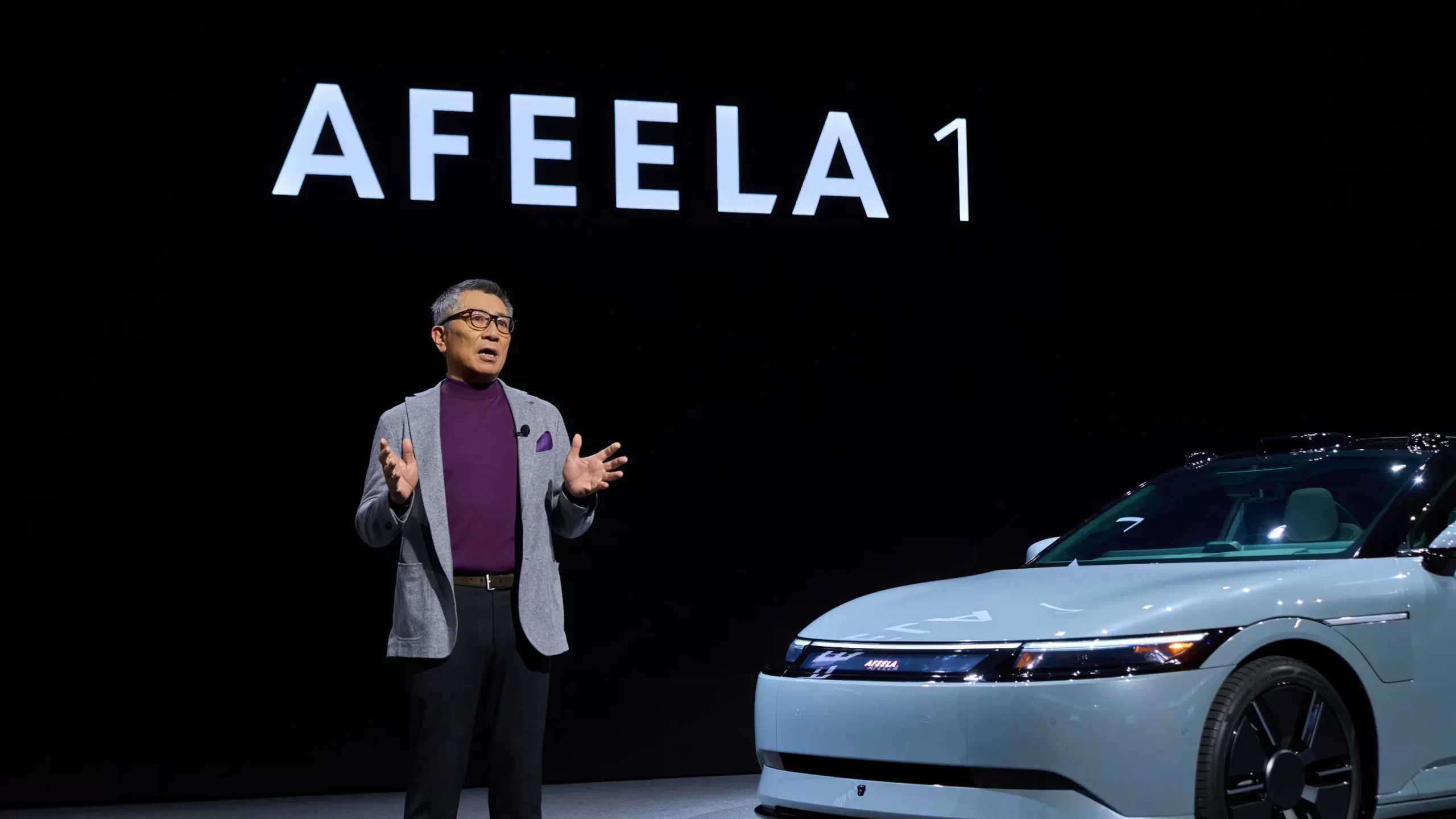
The core problem? CES was built around consumer products sold through retailers. Today it leans heavily into AI panels, sustainability forums, accessibility showcases and automotive technology. Important themes — but not necessarily aligned with what appliance chains and CE buyers are there to source.
Organisers are adding thought-leadership hubs and curated sessions. But for retailers like Harvey Norman, Narta members and JB Hi-Fi — whose executives often attend courtesy of brand funding — the value lies in product, pricing and partnerships, not panel discussions.
With brands accelerating their own launch events outside CES week, the gravitational pull of Las Vegas is weakening. Some companies now prefer private previews, targeted meetings and curated investor sessions over sprawling exhibition halls.
CES is not collapsing. It remains enormous. But size alone no longer guarantees relevance.
The real question is no longer whether CES survives.
It’s whether it can redefine its value.
Because in 2026, the conversation isn’t about spectacle. It’s about return on investment. Cost versus outcome. Hype versus substance.
And whether the world’s biggest tech show still delivers what the industry actually needs.
Fabrizio will also remain on CTA’s Executive Board, marking a planned transition the organization says emphasizes continuity and long-term stability.
“Today marks an important moment for CTA,” said Pat Lavelle, Industry Executive Advisor and CTA Executive Board member. “The Executive Board is proud of the strength and continuity this transition brings, and deeply excited for how it sets CTA up for continued success. With Gary and Kinsey in their new roles, we move forward with confidence, focus, and a shared commitment to our future.”