CES 2026: Lenovo Hypes New Models At Splash Event As US Lawmakers Raise Concerns Over Chinese Ownership
 David Richards
08 Jan 2026
David Richards
08 Jan 2026

Chinese-owned technology giant Lenovo, has put on a big song and dance act on in Las Vegas, choosing to use the popular Sphere to pump up their 2026 notebooks all in one PC’s and some concept devices, the launch came as US U.S. lawmakers, particularly House Select Committee CCP Chairman Mike Gallagher, urges action against Lenovo due to national security concerns linking the Chinese company to the Chinese Communist Party (CCP).
Last night the Company announced a redesigned ThinkPad X1 Carbon, and due to their love of rollable PC’s that have failed to take hold in Australia, the Chinese Company is having another shot at horizontal and vertical rollable models along with, a new lightweight thin and 14″ mode.
There is also a new Yoga 9i Pro.
Previously we have praised the Companies Yoga 9i 2-in-1 notebook in the past but of late the Company has stopped providing their notebooks for review after we raised questions about the use of the Chinese AI software DeepSeek.
Our past stories reveal that Lenovo management in Australia have never been a big fan of the retail consumer market with a senior executive once telling ChannelNews on our way to CES 2018 that the Company should not support retailers or even sell through retail channels.
Instead the Company wants to sell direct with the Company admitting at CES that a “large” percentage of their consumer business is via their own online channels.
Lenovo controls the Motorola smartphone brand, and according to US Government officials there is renewed scrutiny of its ties to China’s government and the growing use of Chinese artificial intelligence software in its products which are supplied to governments and corporations worldwide, including Australia.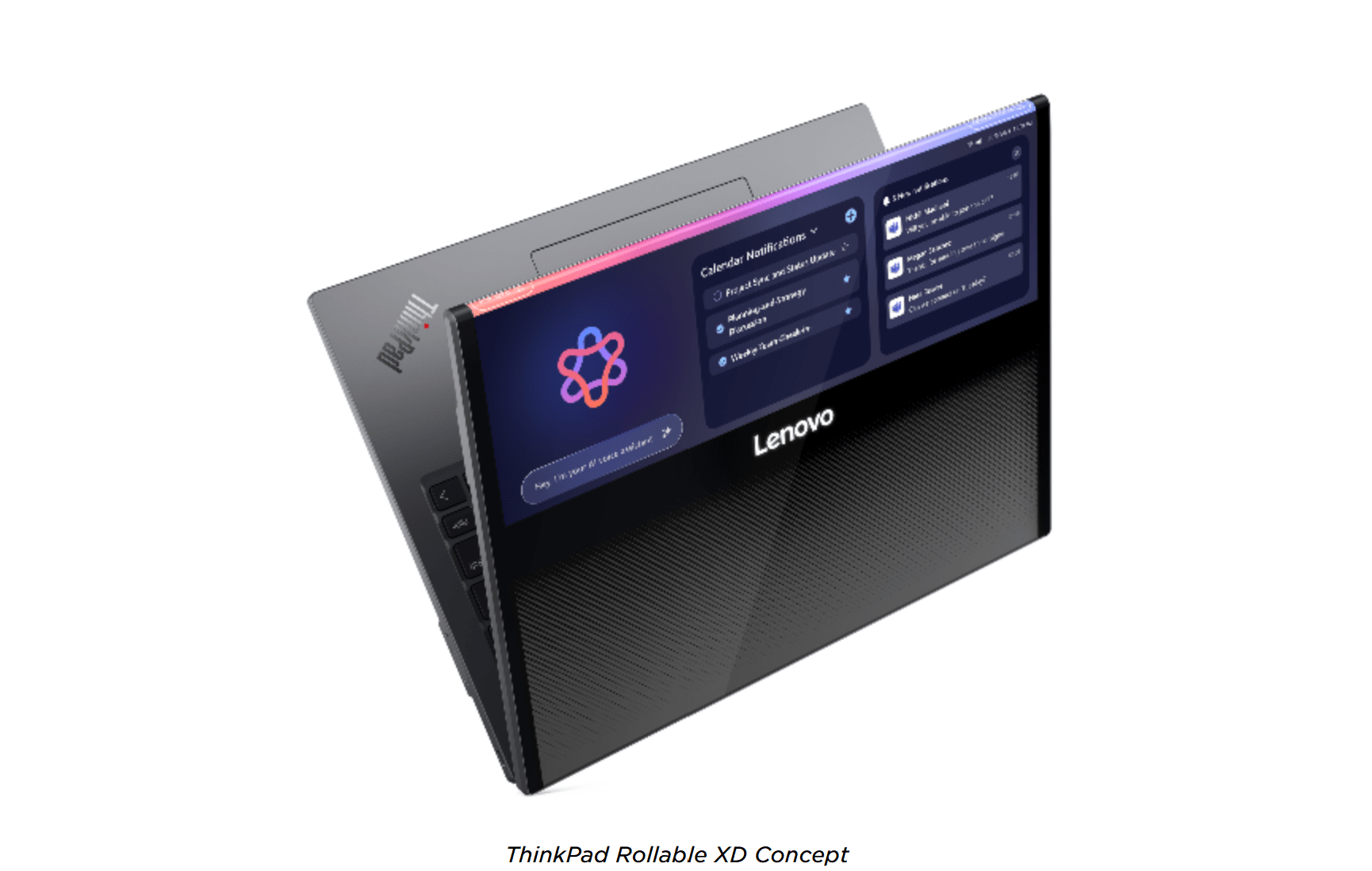
The Company could also find itself questioned about the supply of products to the Australian Government as part of any Royal Commission into the Bondi terrorist attack as they are a major supplier of hardware and services to Austrslian security organisations.
Lenovo has confirmed it is integrating AI models developed by Chinese startup DeepSeek into its PC and server products in Australia and globally, alongside its own internally developed AI systems and Western platforms such as Microsoft Copilot and Google services.
The move comes as U.S. lawmakers and security analysts continue to raise concerns about Lenovo’s historic and ongoing links to Chinese state institutions.
In 2023, members of the U.S. House Select Committee on the Chinese Communist Party called on U.S. military retail outlets to stop selling Lenovo computers, citing national security risks and alleged ties between the company and the Chinese government.
The request was led by then-committee chairman Mike Gallagher, a Republican congressman from Wisconsin.
In a response at the time, Lenovo rejected the allegations, stating: “The assertions regarding Lenovo cited in Chairman Gallagher’s letter are based on past claims that were inaccurate, unsubstantiated or resolved years ago.”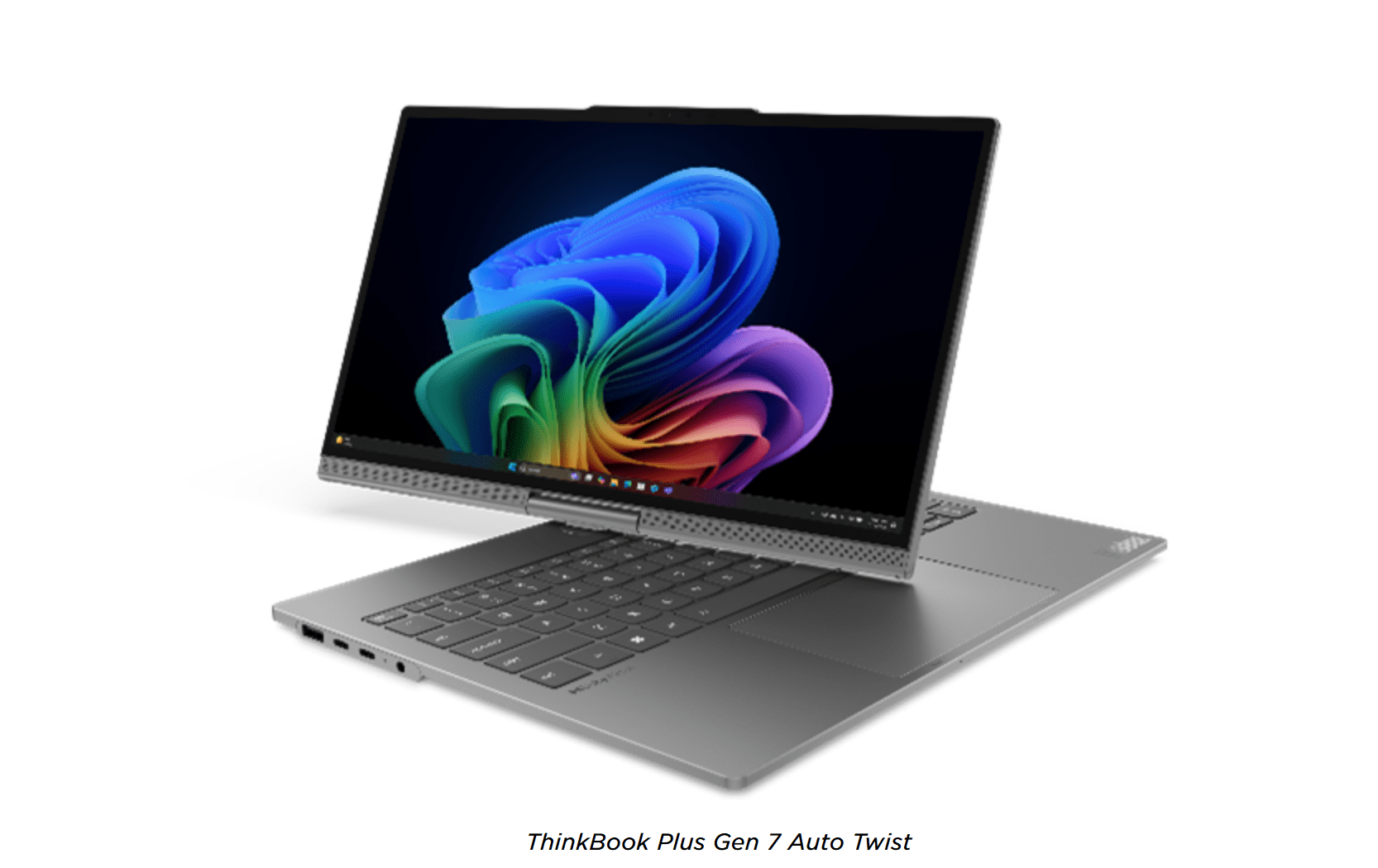
However, the committee alleged Lenovo maintains significant connections to Chinese state bodies, including the People’s Liberation Army and the Chinese Academy of Sciences (CAS). Lenovo’s largest shareholder, Legend Holdings, owns approximately 30–36% of the company and has historical links to CAS, a Chinese government-affiliated research institution.
While Lenovo argues that Legend Holdings controls only two of the company’s 12 board seats and does not exert operational control, critics say the ownership structure raises ongoing concerns about influence, governance and potential espionage risks.
Lenovo is now positioning artificial intelligence as its central theme at CES 2026, promoting what it calls a “Tech World experience unlike anything CES has seen before,” despite persistent questions around Chinese government involvement in its operations.
The company is aggressively embedding AI across its product range — including Lenovo PCs, ThinkSystem servers and Motorola smartphones — under its “Smarter AI for All” strategy. Some of these AI features rely on Chinese-developed models or partnerships, including DeepSeek’s R1 foundation model, which can operate both on-device and via cloud services.
Security analysts and government agencies have raised concerns about privacy, data sovereignty and potential data access risks linked to Chinese AI systems, particularly where cloud connectivity is involved.
In Australia, Lenovo has deep and expanding penetration across government and critical research infrastructure.
The Australian Capital Territory Government awarded Lenovo a $60 million end-user computing contract to supply laptops and desktops across public service agencies, including education and health, covering tens of thousands of devices under a multi-year deal.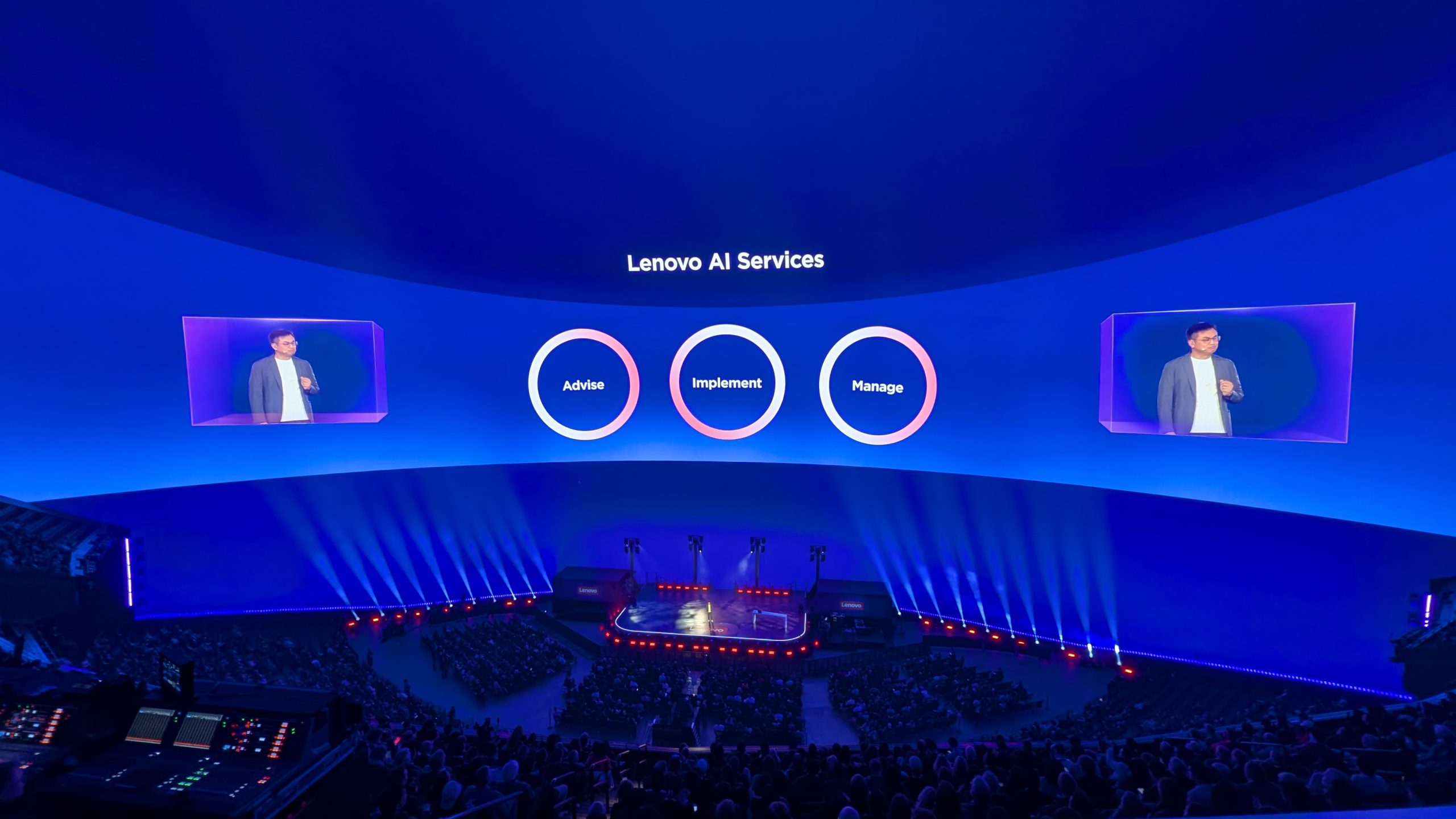
The New South Wales Government has also included Lenovo on its whole-of-government ICT procurement panel, allowing state agencies to purchase Lenovo devices.
National research infrastructure has also adopted Lenovo hardware. NCI Australia’s high-performance computing facility uses Lenovo ThinkSystem servers to power its “Gadi” supercomputer, a key national research asset supported by Australian government funding.
Other state governments, including Victoria, list Lenovo as an approved supplier for desktops, notebooks and mobility devices.
These contracts exist despite past security actions taken by Australia and its intelligence allies.
In 2013, Lenovo computers were banned from classified networks across Australia, the United States, the United Kingdom, Canada and New Zealand following concerns that the systems could be compromised.
At the time, the Australian Financial Review reported that intelligence and defence agencies confirmed a written ban on Lenovo devices for classified use after testing allegedly identified hardware “back doors” and firmware vulnerabilities.
“The fact that Lenovo kit is barred from classified networks is significant, and something the private sector should look at closely,” said James Turner, an analyst at IBRS, at the time.
Despite those restrictions, Lenovo has since become a major supplier to Australian government departments, particularly under Labor-led administrations, according to procurement records.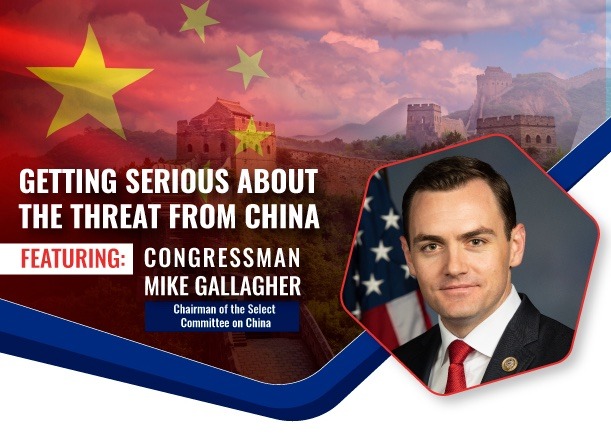
The debate echoes the Australian government’s decision to ban Chinese telecoms giant Huawei from national 5G infrastructure, citing unacceptable national security risks and the potential compromise of government and commercial data.
Lenovo maintains that it operates as a publicly listed global company subject to international governance standards and that its products are secure, compliant and independently audited.
Alongside third-party AI such as DeepSeek, Lenovo has also developed its own large language models, including “Tianxi,” which powers its personal AI assistant “Xiaotian” across PCs, smartphones and IoT devices, particularly in China.
Motorola, which Lenovo acquired after purchasing IBM’s PC and server businesses in a series of deals completed by 2014, is also rolling out “moto AI” features on smartphones. These features operate alongside Android and Google AI services in global markets.
As Lenovo prepares to take centre stage in Las Vegas, governments and security agencies continue to weigh the benefits of cost-effective Chinese technology against long-standing concerns over data security, state influence and the expanding role of Chinese artificial intelligence in critical systems.