Canberra Natural Gas Bans To Hit Appliance Retailers
 David Richards
10 Jan 2023
David Richards
10 Jan 2023

Appliance retailers in Australia are facing new problems this year, with bans on gas appliances set to kick in as Canberra reacts to concerns.
Around the world, Governments and woke lobby groups including Australia want to ban gas fires and stoves, claiming they are a danger to health and that they are adding to environment issues. This is despite decades of use by Australians with no ill effects. Manufacturers of gas products claim those calling for a ban are “misguided”
In the future, retailers face being stopped from selling any gas cooking or heating products according experts.
Natural gas distributors, whose business is threatened by the growing push to electrify homes, argue that a ban on natural gas stoves would drive up costs for homeowners and restaurants with little environmental gain.
The Australian Capital Territory has already moved to ban natural gas for cooking, heating and hot water, with the government committed to phasing out natural gas use for residents and business owners over the next two decades, in an effort to reach its target of net zero emissions by 2045.
The transition will kick off with bans on new gas connections for certain property types taking effect this year. 
In the US, it’s now being claimed that one in eight cases of asthma in children is due to the pollution given off by cooking on gas stoves.
Last week the US Consumer Product Safety Commission announced plans to take action to address the pollution, which can cause health and respiratory problems.
“This is a hidden hazard,” Richard Trumka Jr., an agency commissioner, said in an interview with Bloomberg.
“Any option is on the table. Products that can’t be made safe can be banned.”
It’s claimed that natural gas stoves, which are used in about 40 per cent of homes, emit air pollutants such as nitrogen dioxide, carbon monoxide and fine particulate matter at levels the EPA and World Health Organisation are now claiming are unsafe and linked to respiratory illness, cardiovascular problems, cancer and other health conditions.
As a result, manufacturers of gas products are scrambling to manage the effects of the bans, with the real possibility that thousands could be laid off by Companies manufacturing gas products or components for gas stoves and heaters.
According to reports by groups such as the Institute for Policy Integrity and the American Chemical Society, new tests conducted by the group found high levels of nitrogen oxide gases from gas stoves and gas heaters.
“There is about 50 years of health studies showing that gas stoves are bad for our health, and the strongest evidence is on children and children’s asthma,” said Brady Seals, a manager in the carbon-free buildings program at the non-profit’s clean energy group RMI and a co-author of the study. “By having a gas connection, we are polluting the insides of our homes.”
The Association of Home Appliance Manufacturers, which represents gas range manufacturers such as Whirlpool, GE and Frigidaire claim that cooking produces emissions and harmful by-products no matter what kind of stove is used.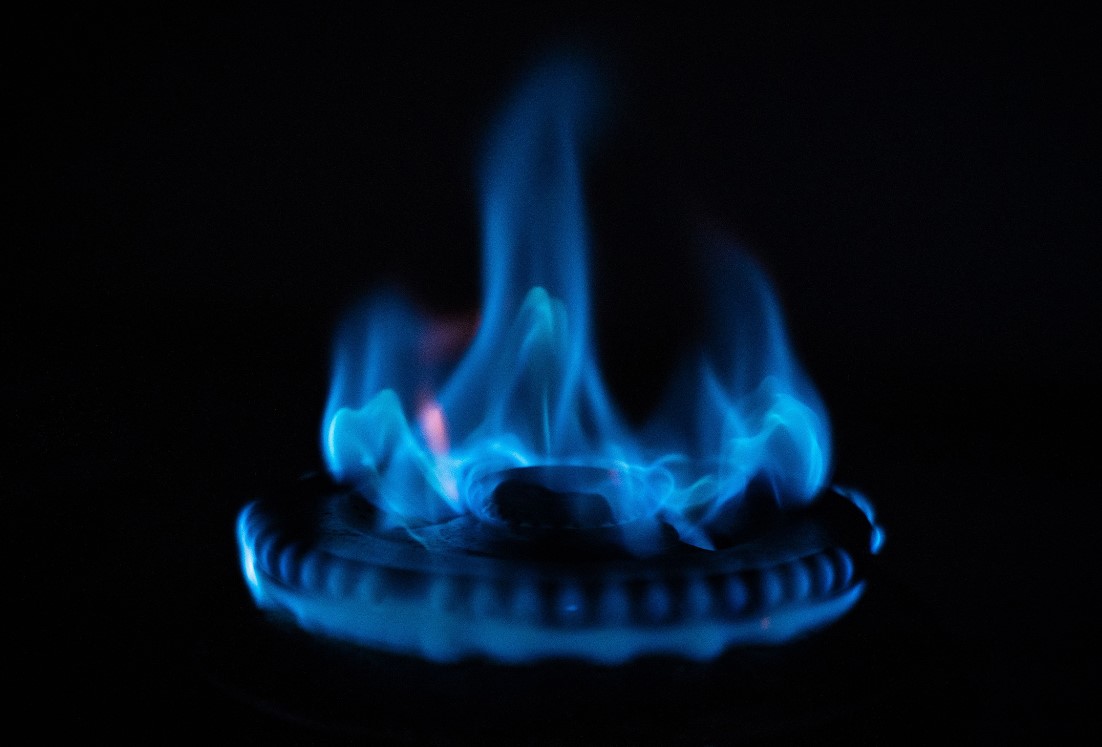
“Ventilation is really where this discussion should be, rather than banning one particular type of technology,” says Jill Notini, a vice president with the US-based trade group. “Banning one type of cooking appliance is not going to address the concerns about overall indoor air quality. We may need some behaviour change, we may need [people] to turn on their hoods when cooking.”
Natural gas distributors, whose business is threatened by the growing push to electrify homes, argue that a ban on natural gas stoves would drive up costs for homeowners and restaurants with little environmental gain.
The American Gas Association, which represents gas companies, says in a statement that regulatory and advisory agencies responsible for protecting residential consumer health and safety have presented no documented risks from gas stoves.
“The US Consumer Product Safety Commission and EPA do not present gas ranges as a significant contributor to adverse air quality or health hazard in their technical or public information literature, guidance or requirements,” says Karen Harbert, the group’s president. “The most practical, realistic way to achieve a sustainable future where energy is clean, as well as safe, reliable and affordable, is to ensure it includes natural gas and the infrastructure that transports it.”