Buyers & Retail Distributors Set To Be Targeted By Chinese With Smartphone Searches At Borders
 David Richards
01 Jul 2024
David Richards
01 Jul 2024

Australian distributors and retail buyers who source house brand products from China could face having their mobile phone searched when they next visit China, after Chinese national security authorities granted security forces at borders greater power to inspect smartphones and other electronic devices beginning Monday, with fears that foreigners will face such inspections upon entering the country.
Currently hundreds of Australian Companies that source products from China have staff who travel to China on business or to visit trade shows every month with the new Chinese espionage law now giving border forces authority to inspect baggage and electronic devices simply on suspicion of espionage.
Operational guidelines permit authorities to examine such phones and personal computers by showing a police ID or other identification even when walking in the street or when staying at a hotel.
Fear is already spreading on social media that foreigners and others will be subjected to these inspections when entering China with medias personnel also targeted over what’s seen as “Negative stories”.
Recently Chinese official’s tried to block a journalist from Sky News at a press briefing that Chinese Premier Li Qiang was attending, despite being registered well in advance.
Chinese authorities have detained several foreigners since a 2014 espionage law went into effect, five of those people have yet to be released.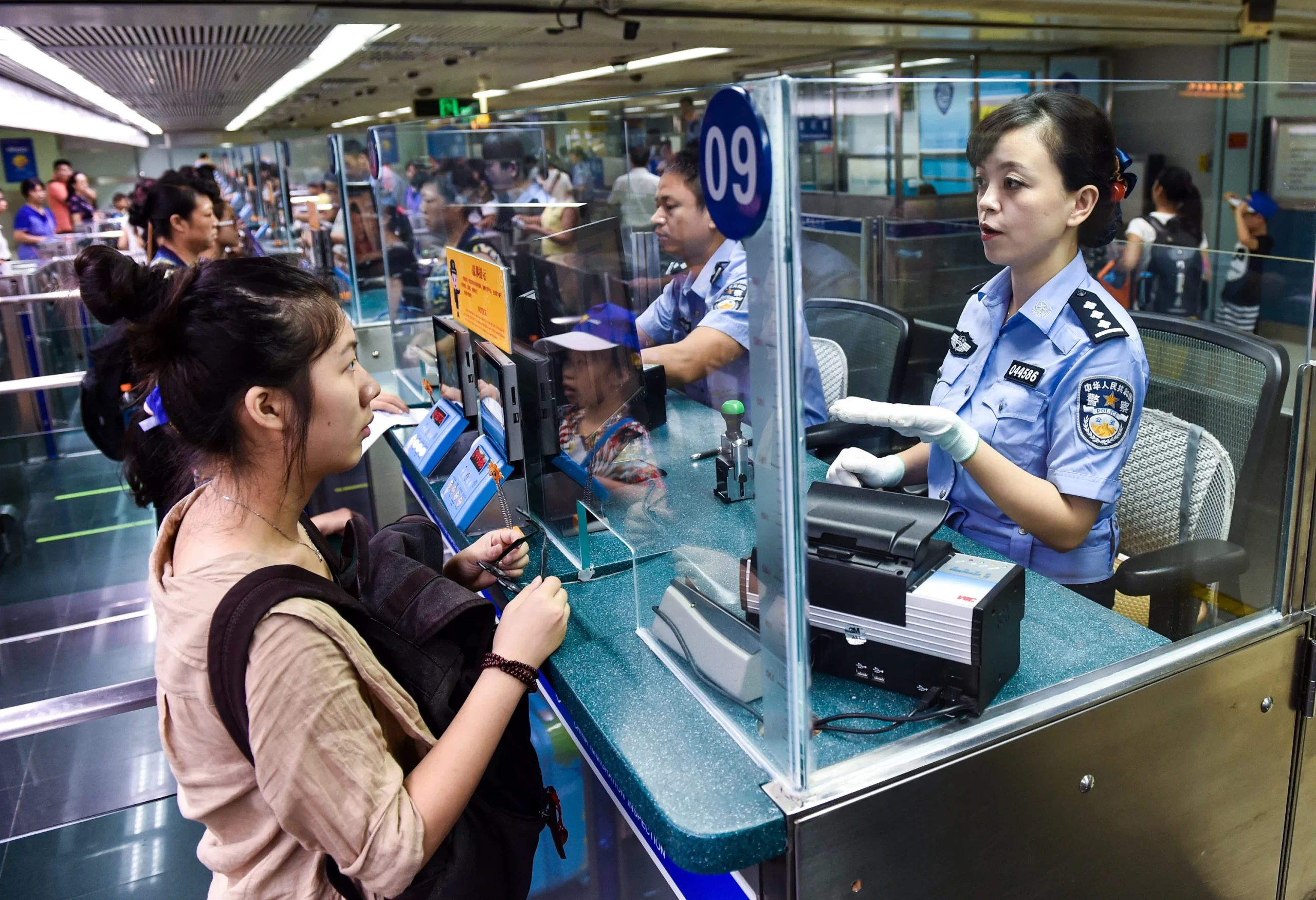
Nikki Asia claims that China’s push to mobilize the entire nation to expose spies, is underway and that every province in China where retailers and brands source goods are now implementing the new policies.
Media affiliated with the Chinese Communist Party report the cities of Shanghai and Chongqing as well as the provinces of Yunnan and Anhui each held meetings on national security in May and June. All were organized by the local party leadership.
Han Jun, then the Communist Party secretary of Anhui Province in eastern China, called for “the enhancement of big data monitoring and analytics” to crack down on espionage.
Those who met in Chongqing agreed “to do everything in their power to ensure political security and prevent the infiltration of hostile forces.”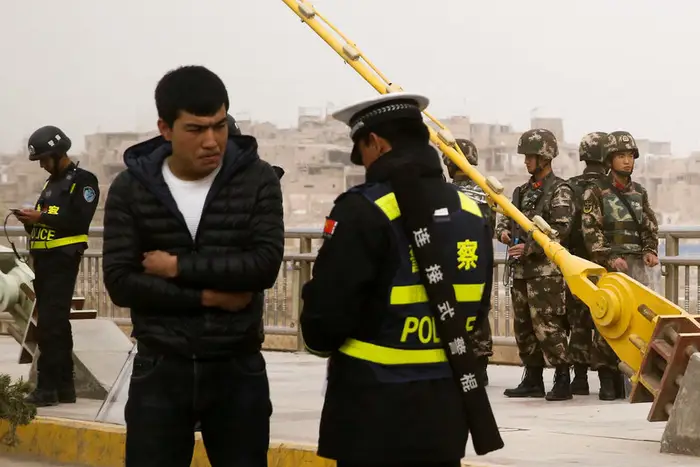
Recently The State Security Ministry in June sent officials to schools in Beijing — from the elementary level to universities — to give lectures on national security to students and others.
Security risks from advanced technologies including artificial intelligence have been discussed as being a problem for Chinese authorities with new laws requiring Chinese citizens to report any spying they uncover.
Also facing problems are Chinese nationals who live overseas and are visiting friends relatives and suppliers.
An ABC and Guardian investigation revealed that Chinese border police are secretly installing surveillance apps on the phones of visitors and downloading personal information as part of the government’s intensive scrutiny of the remote Xinjiang region, where officials have been accused of using slave labour to manufacture appliances for Companies such as ChiQ.
The Chinese government has curbed freedoms in the province for the local Muslim population, installing facial recognition cameras on streets and in mosques and reportedly forcing residents to download software that searches their phones.
The investigation by several media organisations found that travellers were being targeted when they attempt to enter the region for fear they would report what they have seen.
Officials are using glasses equipped with cameras that are linked to smartphones that link back to global databases.
.