BREAKING NEWS:Shock Exit: Sonova Moves to Sell Sennheiser Consumer Business Amid Mounting Pressure
 David Richards
24 Mar 2026
David Richards
24 Mar 2026
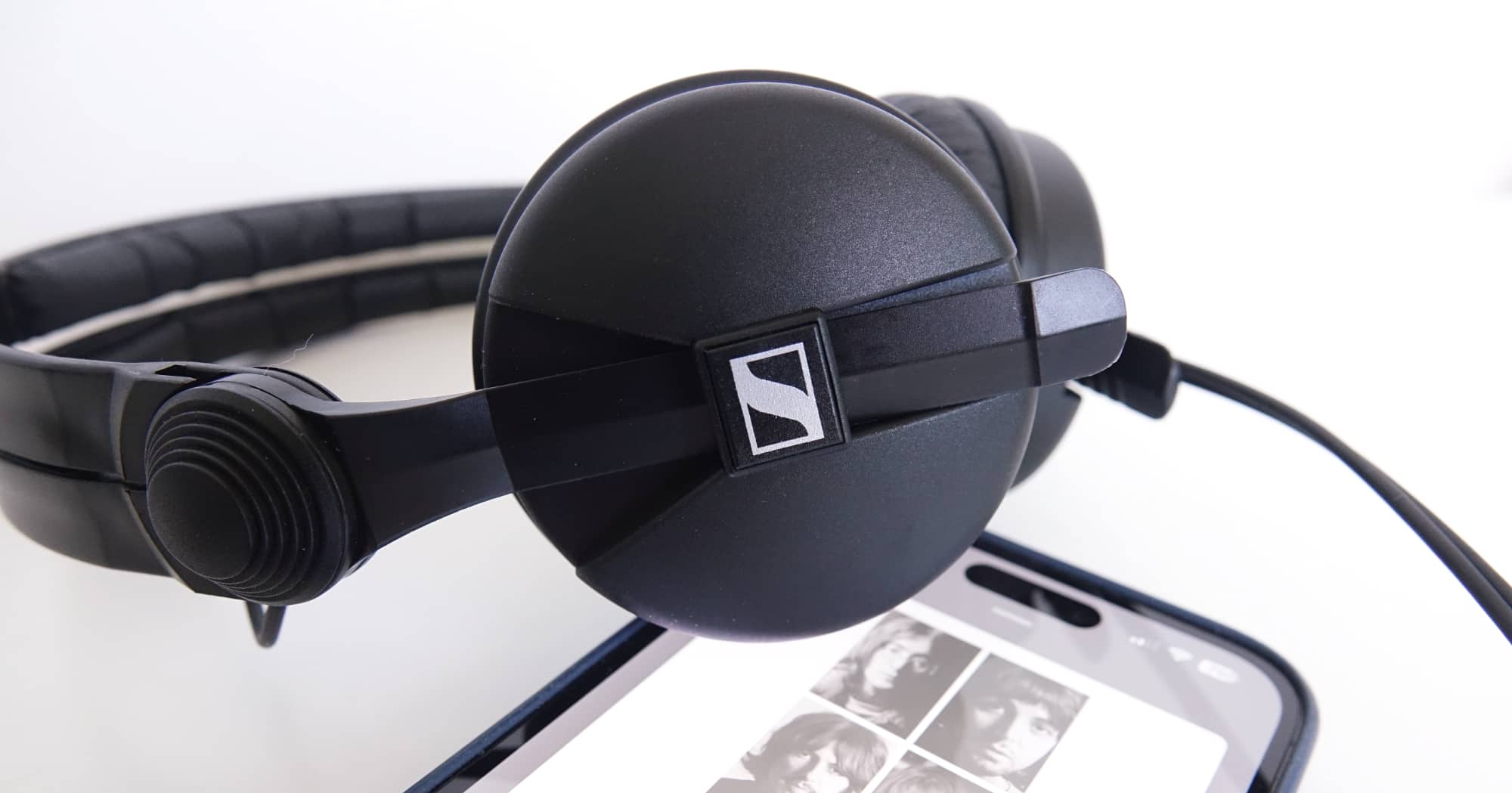
In a surprise move that underscores the brutal state of the global headphone market, Swiss hearing care giant Sonova is preparing to offload the Sennheiser consumer audio business—just four years after acquiring it.
The decision marks a dramatic reversal for Sonova, which bought the division in 2021 from the Sennheiser family, who had exited the consumer market after struggling to maintain profitability against intensifying competition.
At the time, the deal was positioned as a long-term play, with then-CEO Arnd Kaldowski declaring it would be “business as usual.” But under new CEO Eric Bernard, Sonova is now seeking a buyer, having failed to establish Sennheiser as a meaningful force in the highly competitive consumer headphone segment.
The move comes amid broader upheaval in the audio industry. In late 2025, Masimo sold its Sound United portfolio—including Denon and Marantz—to Samsung-owned Harman International, consolidating power among fewer, larger players.
Market Reality Bites
Sonova has struggled to compete in a market dominated by Apple, Sony, Bose and JBL, brands that continue to control the majority of global headphone sales through strong ecosystems, aggressive pricing, and leadership in features such as active noise cancellation.
Sennheiser’s position has deteriorated significantly. The brand now holds an estimated 3% market share in markets such as Australia, compared to Apple’s 39%, Beats’ 18%, Bose’s 14% and Sony’s 11%. Globally, its share is believed to sit in the low single digits.
Retail presence has also weakened. In Australia, Sennheiser products are losing shelf space at major audio retailers, often replaced by faster-moving competitors. Industry sources also point to reduced engagement with media and product reviews as the brand struggles to maintain visibility.
To drive sales, Sonova has increasingly relied on discounting—further eroding margins and brand positioning in a premium category where innovation and perception are critical.
A Legacy Brand Outpaced
The potential sale is a stark contrast to Sennheiser’s legacy. Founded in 1945 by Dr. Fritz Sennheiser, the German company built a global reputation for engineering excellence, pioneering innovations such as open-back headphones and the iconic HD 25—still widely used by audio professionals.
That heritage remains intact within Sennheiser’s professional division, which the family retained and which continues to perform strongly across broadcast, studio and live sound markets.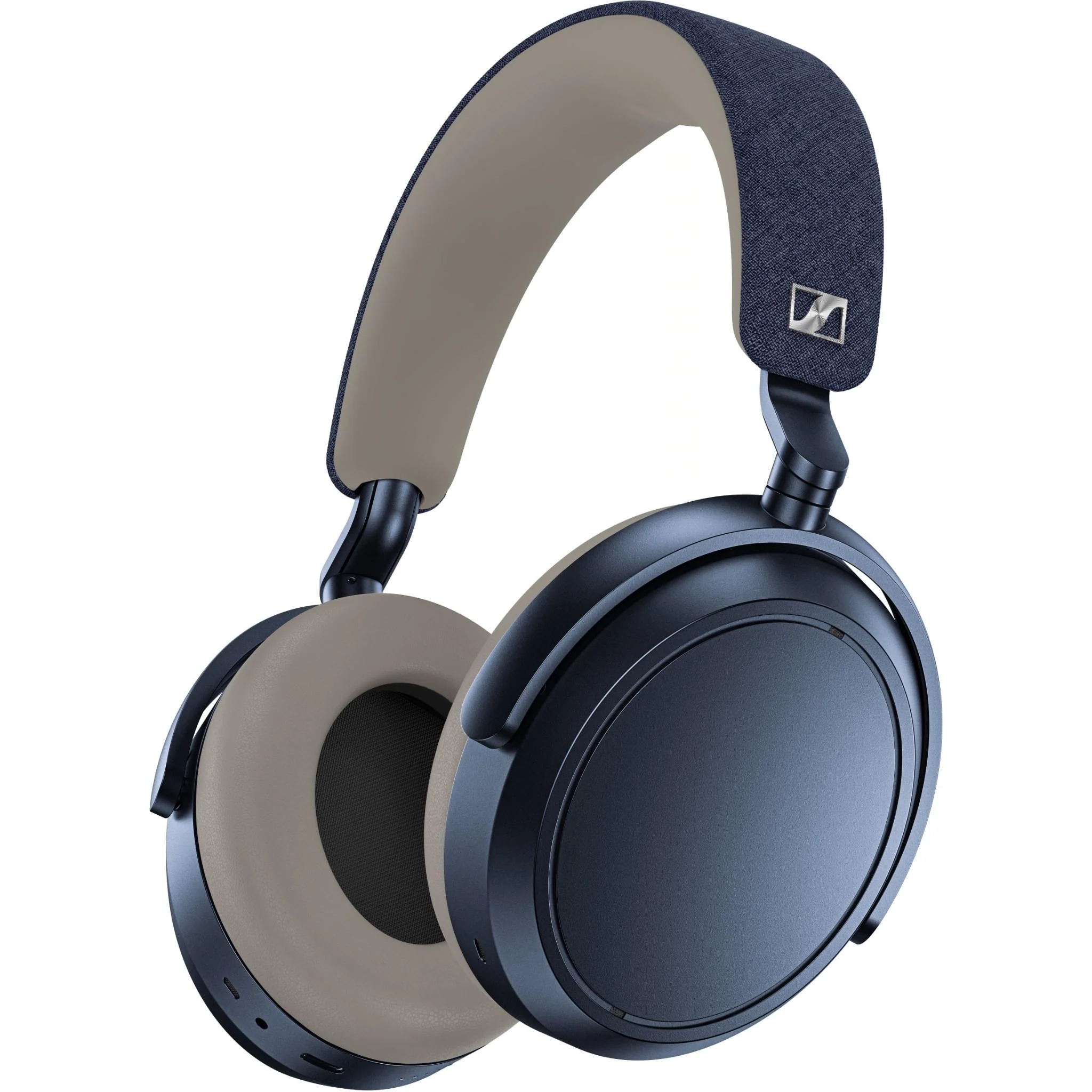
But in consumer audio, the brand has struggled to keep pace with rapid technological change. Rivals have surged ahead in wireless ecosystems, software integration and noise-cancelling performance—areas where Sennheiser is no longer seen as a category leader.
The company has also failed to gain traction in adjacent categories such as premium soundbars, as demand in that segment softens globally.
Uncertain Future
Sonova insists it is seeking “the best possible owner” for the business, but questions remain over who would take on a brand that, while historically respected, has lost relevance in key growth segments.
The timing is particularly challenging. While over-ear headphones are experiencing a resurgence, competition is intensifying, with Harman investing heavily in brands such as Bowers & Wilkins and Denon following its recent acquisitions.
For Sennheiser’s consumer division, the sale marks another turning point in a rapidly consolidating industry—one where heritage alone is no longer enough to compete.