BREAKING NEWS: RBA Strikes Retailers Again, Rate Hike Hits 4.1% as Global Conflict Ignites Inflation Fears
 David Richards
17 Mar 2026
David Richards
17 Mar 2026
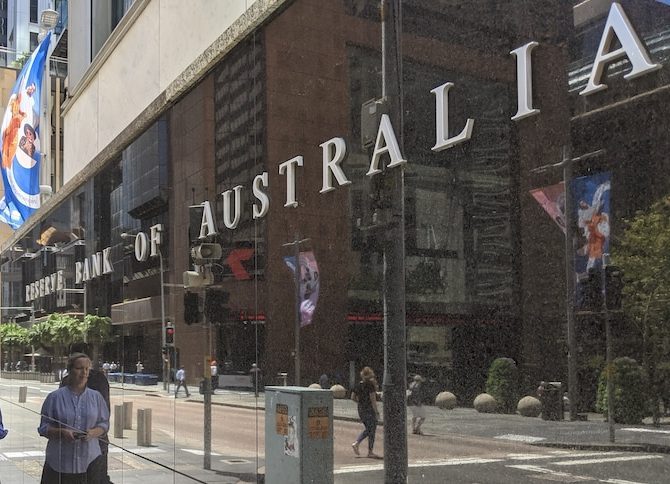
The Reserve Bank of Australia has pulled the trigger on a 25-basis-point rate hike, sending the official cash rate to 4.1% in a high-stakes bid to crush a resurgence in consumer prices.
The move—the second increase in two years—comes as a divided board grapples with a “material risk” that inflation will remain trapped above target levels. The decision was far from unanimous, with a narrow 5-4 split among board members ultimately tipping the scales toward a hike.
The Mortgage Squeeze
For the average Australian homeowner, the math is grim. A borrower with a $500,000 mortgage is staring down an additional $79 per month in repayments if commercial banks pass the hike on in full.
This immediate drain on household liquidity is designed to cool the economy, but for the retail sector, it represents a direct hit to discretionary spending.
Retailers Under Fire: Tech and Appliances Slump
The impact on the ground is already visible. Consumer electronics and appliance retailers are reporting a significant slowdown as shoppers pull back. The sector is facing a “double whammy” of cooling demand and rising overheads:
Input Costs: Surging memory prices are driving up the cost of tech goods.
Operating Pressures: Retailers are battling higher interest on business loans and increased inventory financing costs.
Margin Compression: Small to mid-sized retailers are facing a brutal squeeze on profit margins as debt becomes more expensive to service.
The Australian Retail Council (ARC) claims that today’s decision by the Reserve Bank of Australia to lift the cash rate to 4.1% from 3.85%, will dent the retail sector with businesses facing a fresh surge in supply chain costs driven by escalating global oil prices.
ARC CEO, Chris Rodwell said retailers are confronting a difficult combination of rising costs and pressure on consumer spending.
“Retail is again facing a double hit — rising supply chain costs from the global oil shock and a rate rise that will likely further squeeze household spending,” he said.
Mr Rodwell said the sector had endured a challenging adjustment period in the past few years as households responded to higher interest rates and rising living costs following the pandemic.
“Retail businesses have been operating under extremely tight margins as the cost of doing business has continued to rise,” he said.
“Through the second half of last year and into January this year, we began to see stable conditions return. Growth was not extraordinary, but it was solid and steady. Consumers remained highly value-conscious, with spending concentrated around promotions and discounting as households looked to stretch their budgets. That meant retailers were working harder to maintain margins, even as trading conditions began to stabilise,” he said.
Mr Rodwell said the recent escalation in the Middle East and resulting spike in global oil prices places fresh pressure on retailers.
“Higher interest rates can reduce household disposable income and confidence. The risk is retailers face rising cost inputs at the same time consumer spending could slow again.”
Australia’s retail sector generates around $444 billion in annual turnover and employs one in ten Australians, meaning a slowdown would have broader implications for the national economy.
The Global Wildcard: War and Oil
The RBA’s aggressive stance is being fueled by volatility in the Middle East. With the conflict threatening the Strait of Hormuz—a chokepoint for 20% of the world’s oil—global energy prices have breached the $100-per-barrel mark.
“Weekly inflation expectations have spiked to 6.7%,” the board noted, citing the indirect but widespread impact of energy prices, skyrocketing insurance costs, and supply chain delays on the Australian economy.
Market on Edge
All eyes now turn to Governor Michele Bullock’s 3:30 PM media conference. Analysts and the market will be scanning every syllable for a “pivot” or a “pause,” as the AFR warns that the Governor’s tone will dictate market movement for weeks to come.
With retail sales already flagging according to a recent survey of ten major firms, the question remains: has the RBA done enough to kill inflation, or have they just pushed the retail sector into a corner?