Beko Commits to Net Zero by 2050 with 100% Green Manufacturing
 Isabella Alexiou
29 Jul 2025
Isabella Alexiou
29 Jul 2025
Home appliance manufacturer Beko has announced ambitious climate targets, committing to achieve net zero emissions by 2050 and use 100% green electricity in all manufacturing facilities by 2030.
The Turkish company released its 2024 Integrated Report on Monday, revealing it refurbished 114,468 products last year as part of its circular economy strategy.
The report shows 61.9% of Beko’s turnover comes from energy-efficient products, while 71.5% derives from low-carbon products.
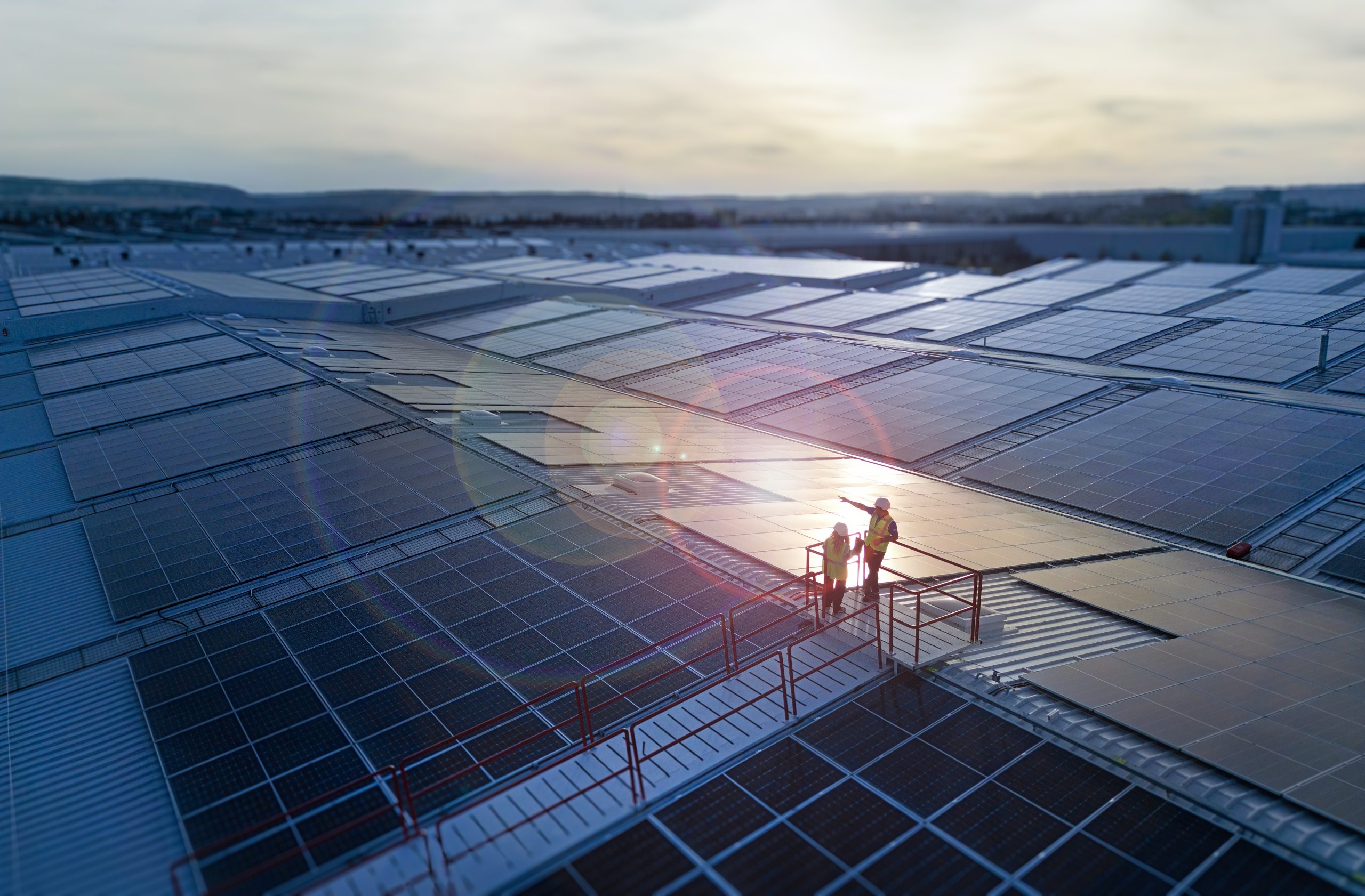
Beko has significantly expanded its renewable energy investments, reaching a total installed capacity of 90.2 MWp, representing an almost 30-fold increase over four years.
The company’s climate strategy focuses heavily on Scope 3 emissions, which account for 99% of its total carbon footprint, with approximately 80% arising during the product use phase.
The company’s global refurbishment network extends appliance lifecycles, helping customers reduce carbon footprints while minimising e-waste.
Beko has embedded sustainability targets into executive compensation, linking C-suite performance to Scope 1, 2, and 3 emissions reductions and supply chain sustainability integration.
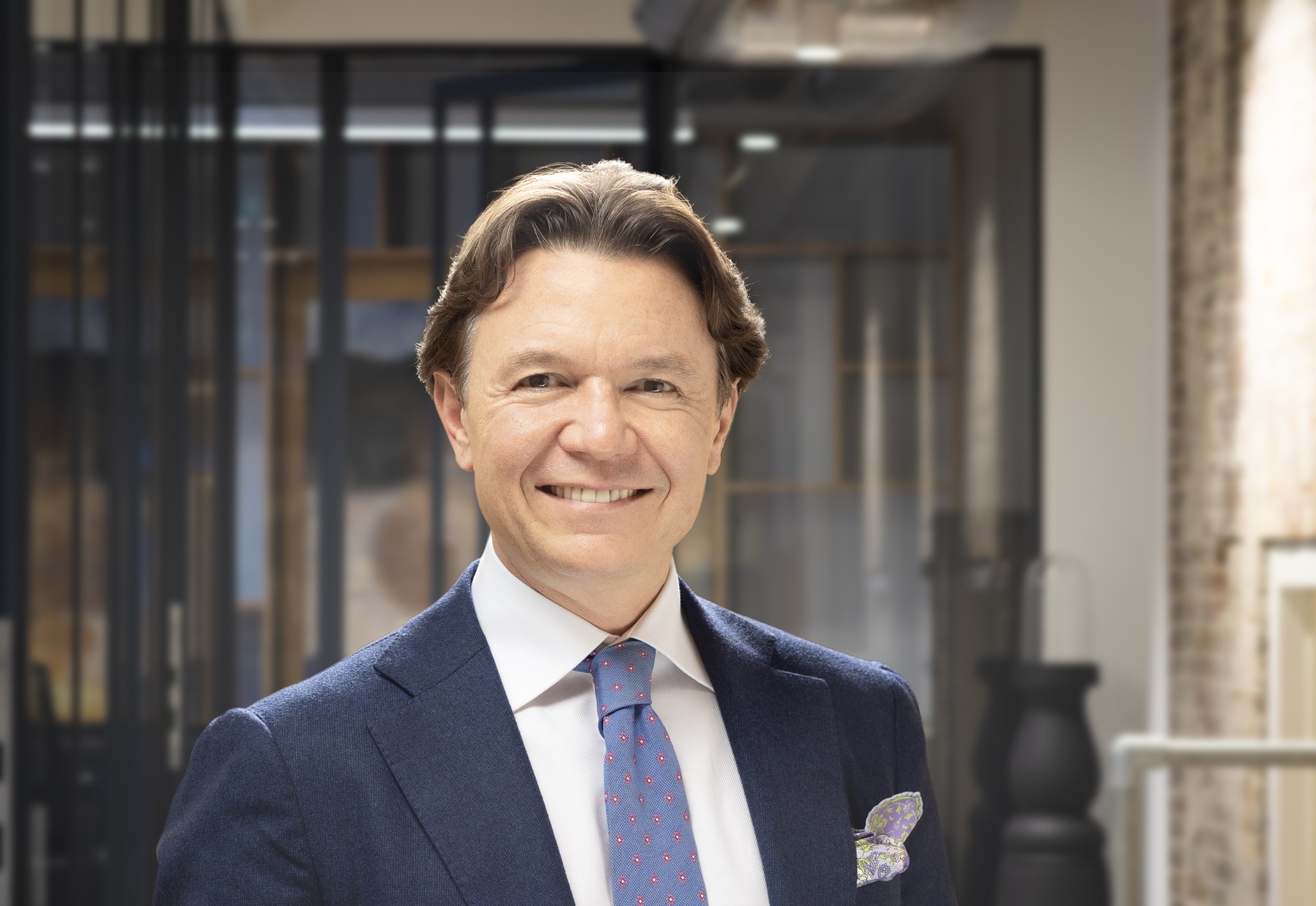
CEO Hakan Bulgurlu emphasised the company’s commitment to concrete climate action, stating that securing a net-zero future requires “absolute focus” beyond just green electricity targets.
He highlighted ongoing efforts to improve water and waste management, reduce supply chain emissions, and design more efficient products.
Beko has maintained its position as a sustainability leader, earning the highest score in its industry in the S&P Global Corporate Sustainability Assessment for six consecutive years.
The company was recently ranked 17th among the world’s most sustainable companies by TIME Magazine and Statista, topping its industry category.
The integrated report aligns with multiple international frameworks, including the International Integrated Reporting Framework, Global Reporting Initiative, and Corporate Sustainability Reporting Directive.
It includes a double materiality assessment evaluating both how sustainability issues affect Beko’s business and how the company’s operations impact society and the environment.
Celebrating its 70th anniversary, Beko continues to position sustainability as central to its business strategy, with the report serving as what the company calls “a call to action for stakeholders to unite in preserving Earth’s sustainability.”