Australian Shoppers Trading Down as Cost Pressures Reshape Retail
 Isabella Alexiou
04 Aug 2025
Isabella Alexiou
04 Aug 2025

Cost-of-living pressures are driving Australian consumers to fundamentally shift their spending habits, reshaping the retail landscape as shoppers trade down across multiple categories, according to UBS analyst Shaun Cousins.
In a preview of the August earnings season, Cousins noted that consumers are reducing spending on groceries, alcohol, clothing, and general merchandise while avoiding big-ticket purchases.
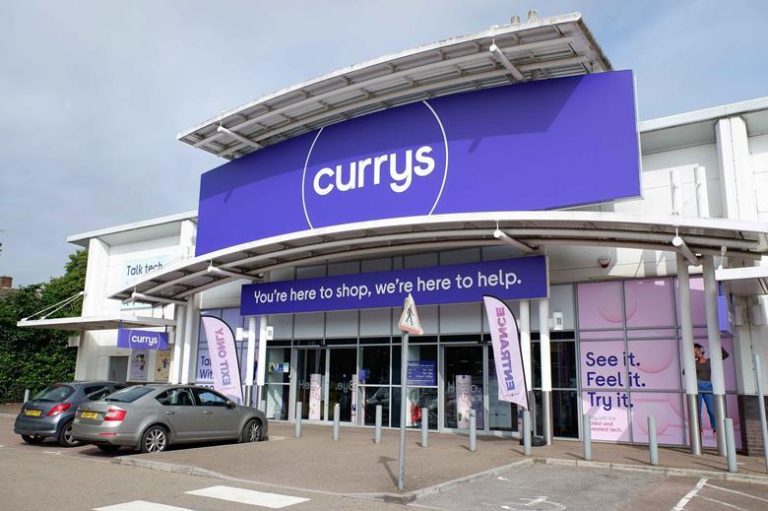
This shift is particularly impacting retailers like Harvey Norman and The Good Guys, which rely heavily on higher-value items.
Despite the downward pressure on discretionary spending, overall retail activity is maintaining stability, supported by population growth, low unemployment rates, and continued spending by Baby Boomers and homeowners who remain relatively insulated from cost pressures.
The changing consumer behaviour is creating clear winners in the retail sector.
Supermarkets, discount retailers, and private label brands are benefiting from the trade-down trend, while online channels and in-home consumption patterns continue to gain traction.
UBS expects some relief for retailers as cost pressures begin to ease, with interest rate cuts anticipated in August and November that could provide consumers with additional spending capacity.
Cousins advocates for a stock-specific investment approach in the current environment, with UBS maintaining “buy” ratings on several retailers positioned to benefit from current trends.
The investment bank favours Coles, Accent Group, Domino’s, and Treasury Wine Estates.
However, UBS remains cautious on JB Hi-Fi due to valuation concerns, despite the electronics retailer’s strong market position.
The selective approach reflects the varying impacts of consumer behaviour changes across different retail segments.
The analysis suggests that retailers focusing on value propositions, essential goods, and convenience are best positioned to navigate the current challenging consumer environment, while those dependent on discretionary big-ticket sales face continued headwinds until economic conditions improve.