Apple’s Ambitious All-Glass Anniversary iPhone Reportedly Shelved
 April Ossington
18 Aug 2026
April Ossington
18 Aug 2026
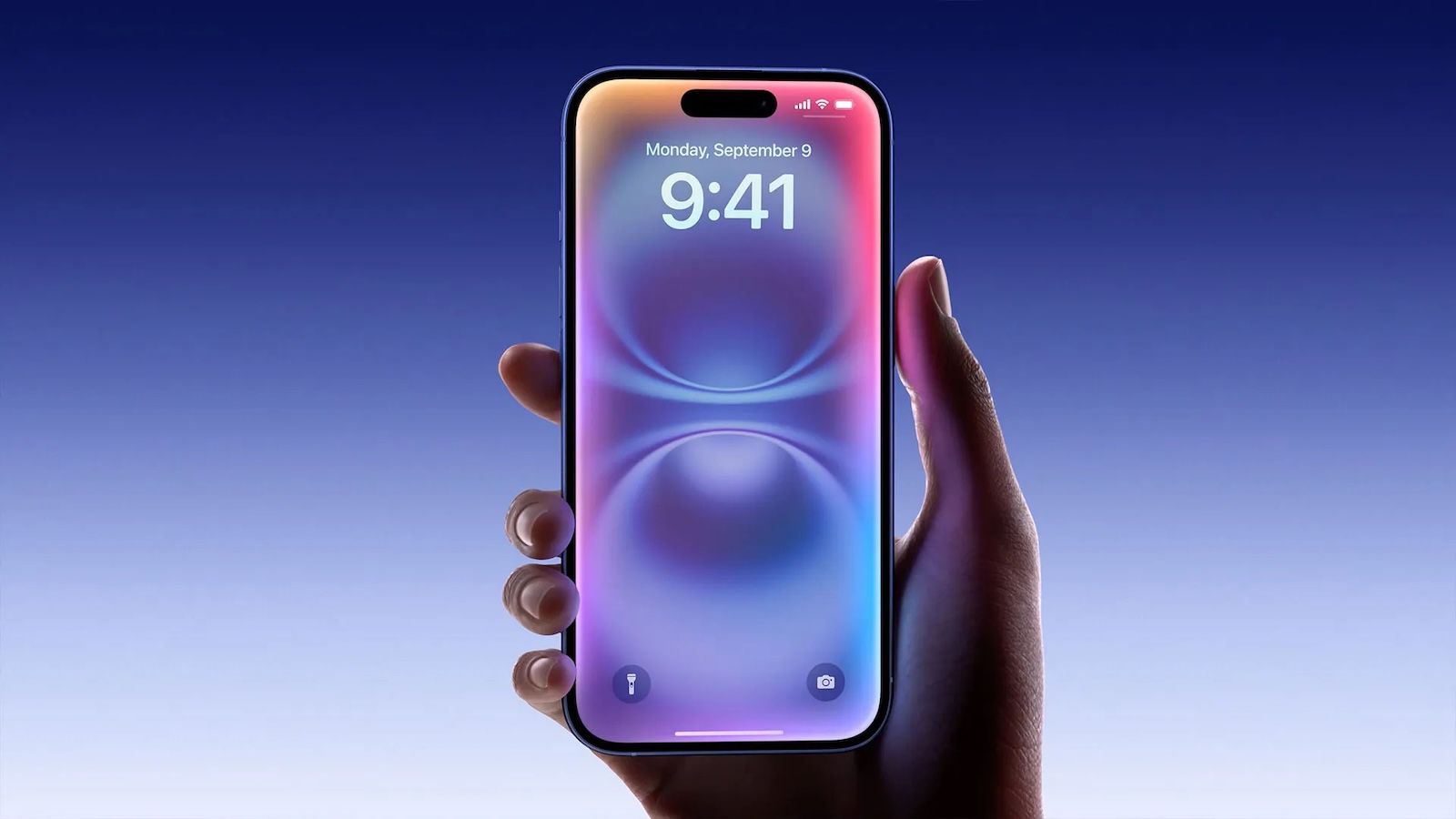
Apple may have abandoned one of its most ambitious iPhone redesigns, with a new analyst report claiming plans for an all-glass model celebrating the smartphone’s 20th anniversary have encountered manufacturing problems.
Jefferies analyst Edison Lee claims Apple has cancelled the proposed all-glass anniversary iPhone after production trials delivered a low manufacturing yield. In practical terms, too few devices produced during testing reportedly met the standards required for mass production.
The information appeared in an August 10 research report in which Lee also changed his outlook on Apple shares. He described the apparent cancellation as a significant obstacle to Apple’s efforts to increase the iPhone’s average selling price and protect margins over the medium term.
Rising memory costs are placing additional pressure on smartphone manufacturers, making more expensive premium devices one potential way for Apple to maintain profitability.
Apple has been cautious about directly attributing recent price increases to memory costs, but higher component expenses are expected to remain an important consideration when future iPhones are developed and priced.
Despite the reported setback, analysts remain relatively positive about Apple’s longer-term prospects. However, the development could mean the company’s anniversary iPhone arrives with a less dramatic redesign than previously anticipated.
There is also uncertainty surrounding what Apple will call its 2027 iPhone family.
Lee’s research suggests Apple could continue with the iPhone 19 name rather than jumping directly to iPhone 20 for the 20th-anniversary generation.
The iPhone 19 Pro Max could receive a notable memory upgrade, increasing from 12GB to 16GB of RAM. That improvement may also contribute to higher retail pricing.
Lee estimates a forthcoming iPhone Ultra could potentially cost as much as US$2,199 for the 256GB version. At current exchange rates, that is approximately A$3,370.
A top-end 2TB version has been estimated at US$3,099, equivalent to approximately A$4,750.
Those figures are direct currency conversions rather than confirmed Australian retail prices. Apple’s eventual Australian pricing would be influenced by exchange rates, taxes and regional pricing decisions.
The Pro Max is also predicted to receive a US$100 price increase, equivalent to approximately A$150.
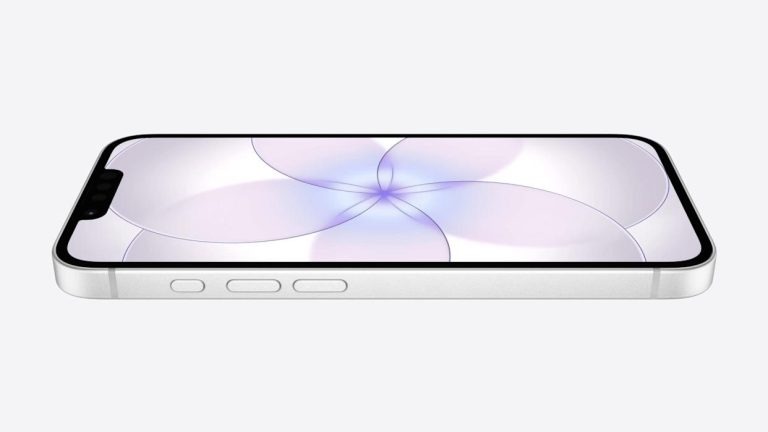
Previous reports surrounding Apple’s anniversary handset had pointed towards a substantial departure from the company’s existing design language.
One of the most significant rumoured changes was a nearly bezel-free display with curved edges on all four sides, designed to transition more seamlessly into a glass and ceramic rear panel.
Pro and Pro Max variants were reportedly being considered with 6.3-inch and 6.9-inch displays respectively.
Camera hardware could also receive a major upgrade. Reports have suggested Apple is considering a 200-megapixel primary camera, potentially bringing its headline resolution closer to premium Samsung Galaxy Ultra devices.
Battery technology is another area where Apple could experiment. Silicon-carbon batteries have begun appearing in more smartphones, offering manufacturers another way to increase energy capacity without dramatically increasing the physical size of a device.
Apple has been rumoured to be evaluating the technology for future products, although there is no confirmation it will appear in the anniversary iPhone.
Another unusual concept reportedly being explored involves eliminating the conventional speaker grille from the bottom of the handset. Instead, vibration-based technology could potentially use parts of the device itself to generate sound.
Similar technology has also been linked with future Apple products, including a rumoured OLED iPad mini.
The reported cancellation of the all-glass design leaves considerable uncertainty around how Apple intends to distinguish its 20th-anniversary iPhone.
A more conservative outcome could see the company continue evolving the design introduced with recent Pro models rather than pursuing the radical visual transformation previously rumoured.
Apple has not confirmed the all-glass project, its cancellation or the specifications associated with its future iPhones, meaning the claims should remain firmly in the category of supply-chain reports and analyst predictions.
With the anniversary still ahead, Apple has time to pursue alternative designs. The challenge will be creating a device distinctive enough to mark two decades of the iPhone while managing increasingly expensive components and the manufacturing difficulties associated with more ambitious hardware.