Apple’s AI-Driven Siri Upgrade Pushed Back As Phased Release Plan Emerges
 April Ossington
Apple’s highly anticipated artificial intelligence upgrade for Siri has encountered another setback, with the company now expected to introduce the new features gradually rather than as a single flagship addition in iOS 26.4.
Bloomberg reporter Mark Gurman indicates that Apple ran into additional complications during recent internal trials. People familiar with the development say the enhanced assistant has struggled to interpret certain requests accurately, while some responses take longer than engineers had projected.
The original plan was to debut the overhaul in iOS 26.4, which is widely tipped for a March release. However, Apple is now distributing elements of the update across subsequent versions. Some improvements may arrive with iOS 26.5 in May, while the most sophisticated functions could be postponed until iOS 27 in September.
The postponement is notable given that Apple first showcased the redesigned Siri in June 2024. At that event, the company framed the update as a significant evolution, promising a more personalised assistant capable of recognising on-screen content, drawing on relevant user information where appropriate, and performing multi-step actions across different apps.
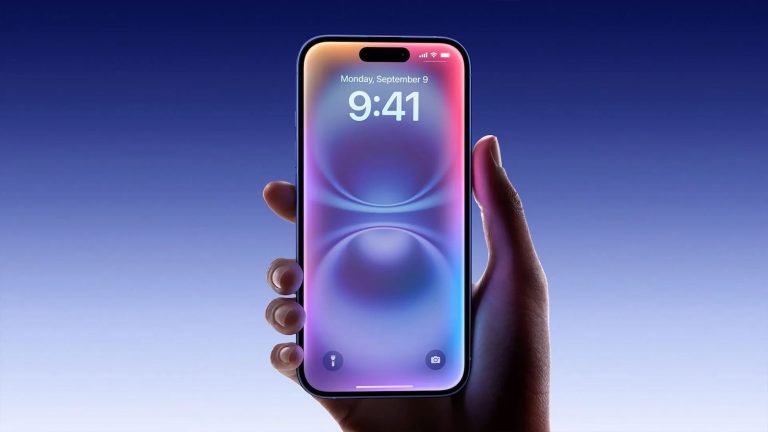
Those more ambitious capabilities appear to be presenting the greatest technical challenges. According to Gurman, internal test builds include a switch that activates a preview of certain personal data tools. This suggests Apple may release early versions with a disclaimer that performance could be limited or inconsistent.
Ongoing testing has revealed additional reliability issues. Some of the expanded app control features reportedly do not function correctly in particular situations. Testers have also identified accuracy shortcomings and a fault that causes Siri to interrupt users if they speak too quickly. In some instances, the assistant defaults to its existing ChatGPT integration rather than relying on Apple’s newly developed system.
The redesigned Siri operates on a fresh architecture known internally as Linwood and is powered by Apple Foundation Models. Apple has confirmed that Google’s Gemini models will also contribute to parts of the assistant’s functionality. Even with these collaborations, the company continues to emphasise its privacy-focused strategy, which restricts how user information is handled or stored outside Apple’s ecosystem.
Apple insists that the upgraded Siri will still launch before the end of the year, yet the rollout increasingly appears set to unfold in stages rather than as a single sweeping release.