Apple’s $3,595 iPhone Duo Has One Problem, It Appears To Be Right-Handed
 David Richards
14 Sep 2026
First it was Logitech.
For years, we left-handers watched as the mouse industry enthusiastically designed increasingly sophisticated rodents for the right-handed majority, while apparently assuming the rest of us could either adapt, use our feet, or simply give up computing altogether.
I singled Logitech out over this issue, and to their credit they eventually came good with the Lift Left-handed Vertical Ergonomic Mouse.
Now it appears to be Apple’s turn.
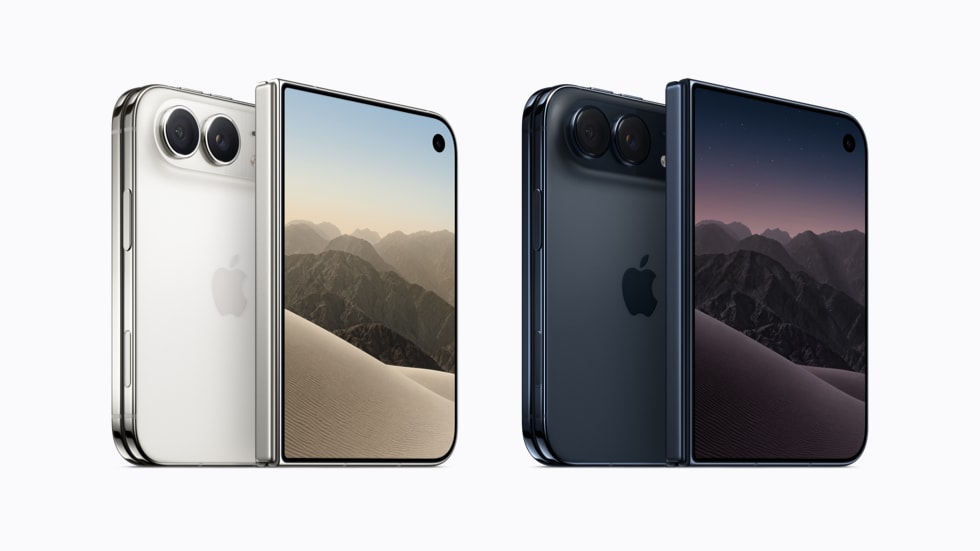
The world’s most valuable design company has created a shiny new $3,595 iPhone Duo foldable that appears to have one small design problem.
It’s right-handed.
As a card-carrying southpaw, I am beginning to wonder whether Apple’s legendary design team actually knows we exist.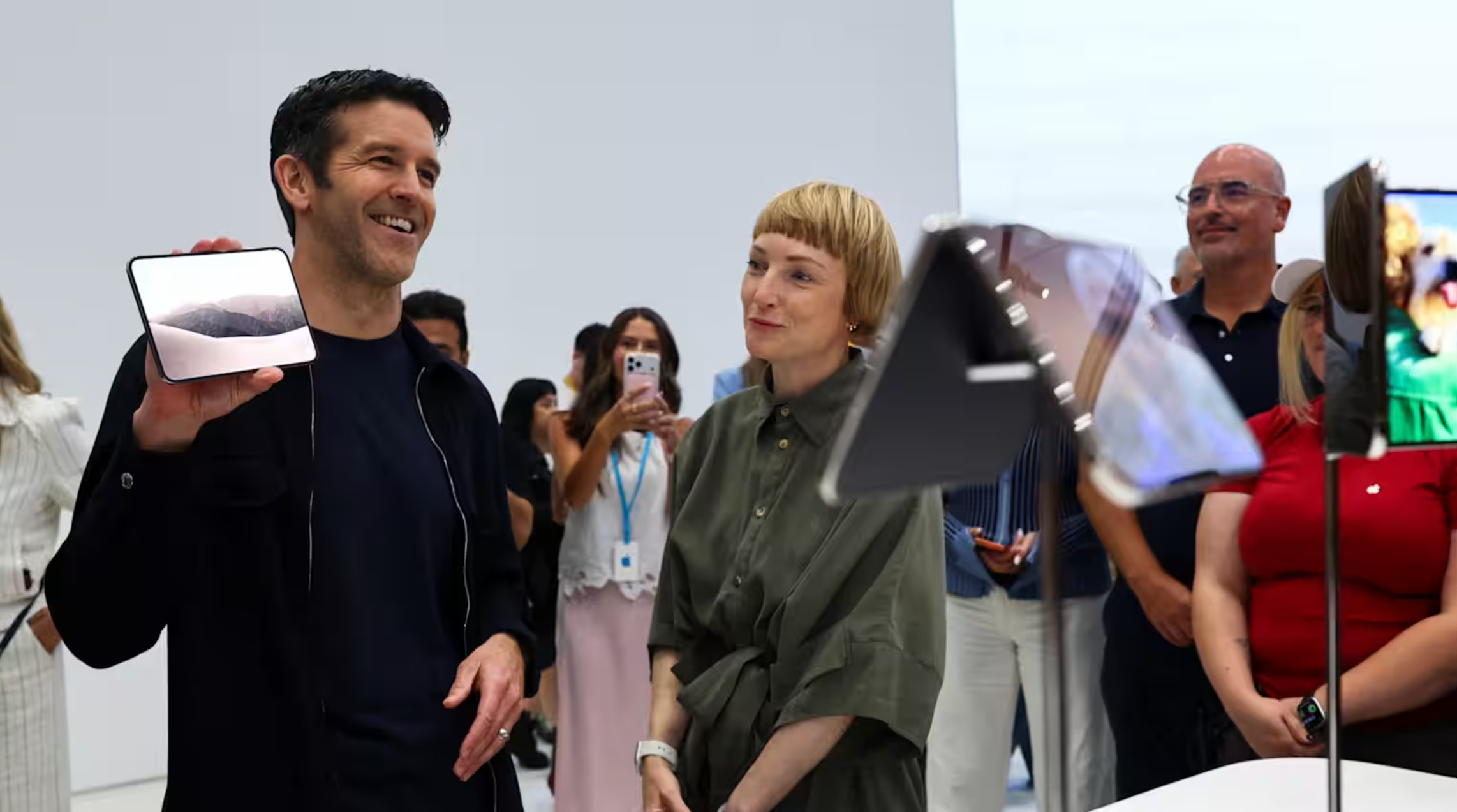
Left-handers make up roughly 10% to 12% of the population, which makes us a sizeable minority, albeit one that has spent generations wrestling with scissors, can openers, school desks and computer mice designed by people apparently convinced everybody’s right hand is their good one.
Now we can add a $3,595 foldable iPhone to the list.
Apple loves talking about accessibility.
The company quite rightly boasts about designing products for people with mobility, hearing, speech, vision and cognitive needs.
But apparently nobody wandered into the iPhone Duo design meeting and asked: “What about Dave in Australia who holds his phone in his left hand?”
The new Duo is already being described by some southpaws as awkward and potentially even “unusable.”
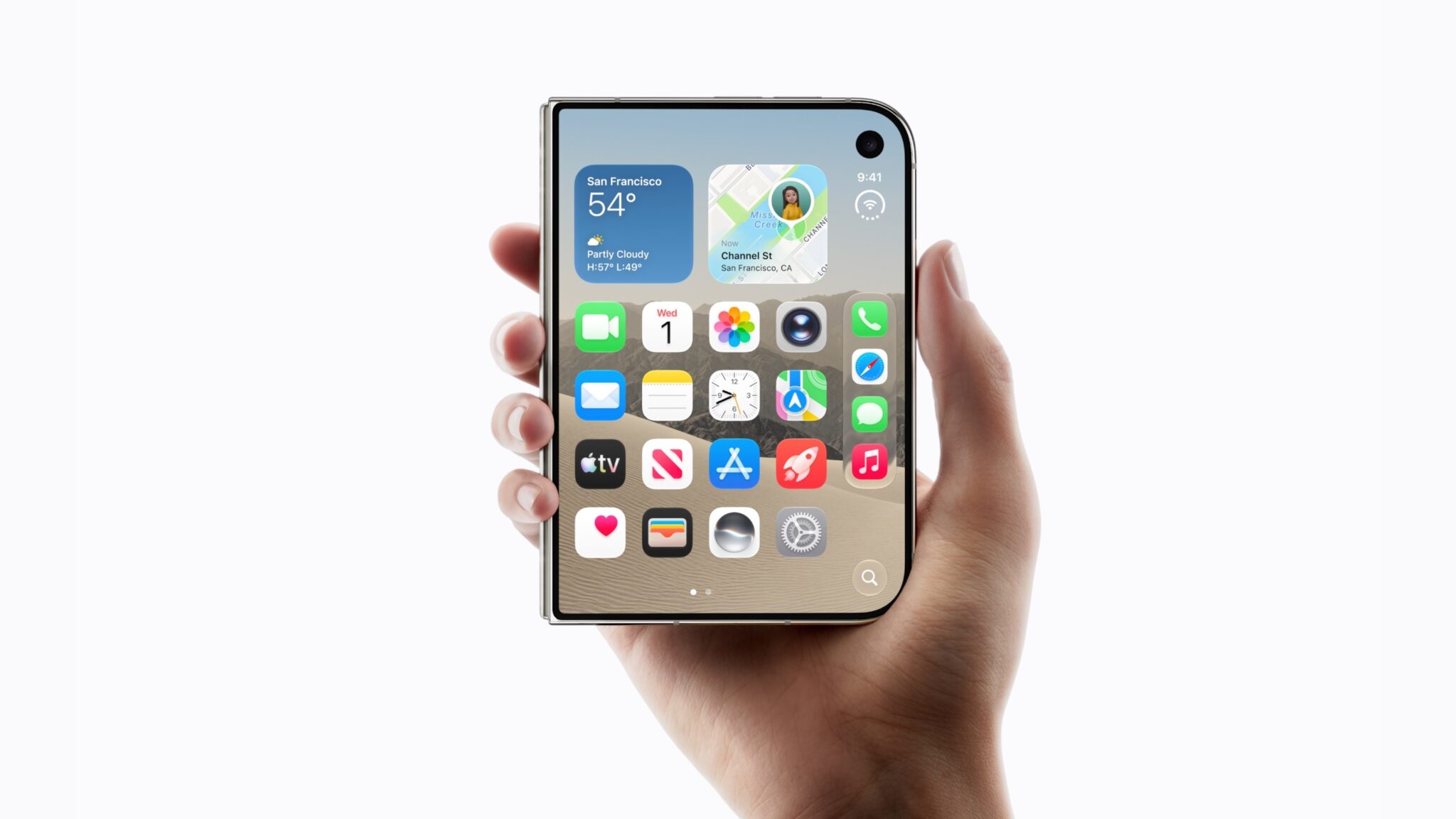
Apple claims the closed Duo is “compact and comfortable to hold”, with “essential controls moved to the side” where they are supposedly “easy to reach.”
Easy to reach for whom?
A right-handed octopus?
Unlike a traditional iPhone, where many navigation controls stretch horizontally across the top or bottom of the display, key Duo controls sit along one side of the device.
That includes Touch ID, which replaces Face ID on the Duo and is built into the side button. 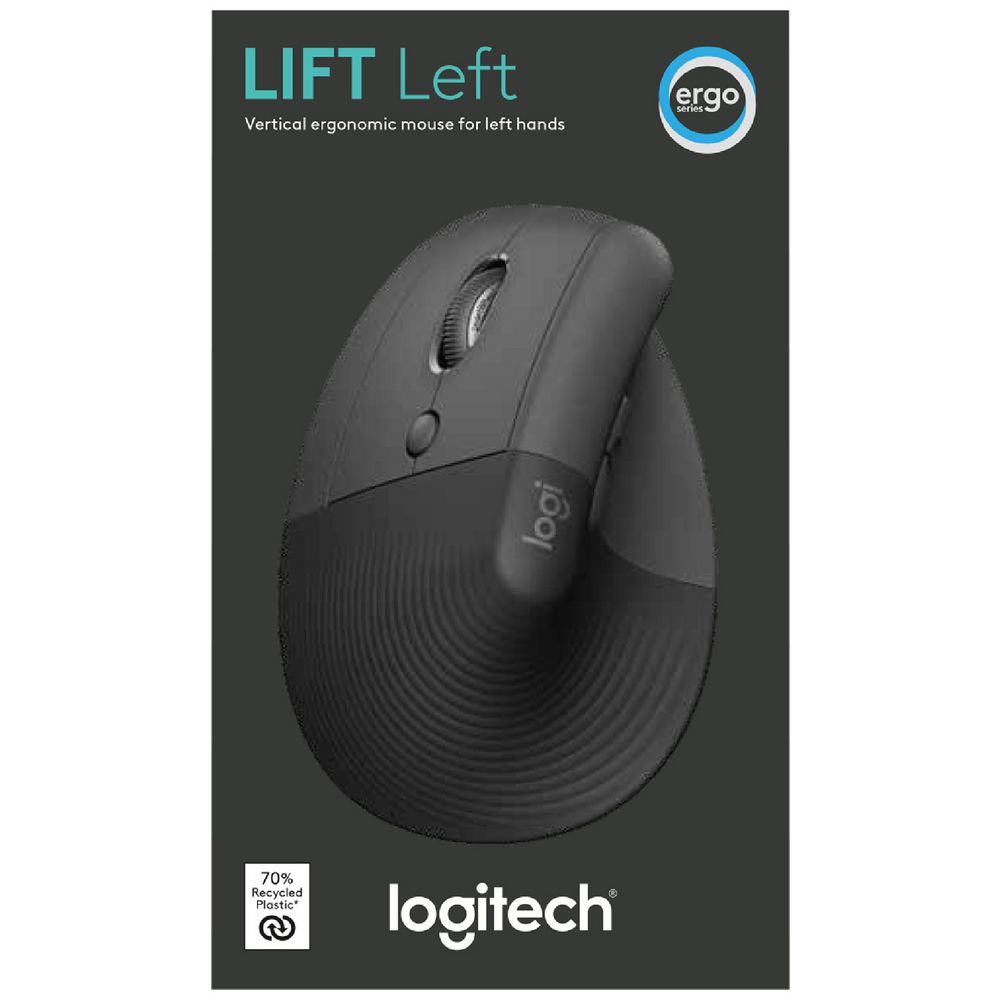
And that’s where things become interesting if, like me, you instinctively pick up your phone with your left hand.
“Any other southpaws out there that use their phone one-handed with their left?” one Reddit user asked.
“I’d love to have this phone, but I have a feeling they aren’t going to implement a left-handed mode.”
Another left-hander told the New York Post that Apple’s side-mounted controls could turn a minor irritation into a genuine usability problem.
And unlike moving an icon around a screen, some of this can’t simply be fixed with software.
“It’s more than just software, the Touch ID button, the outer display, the cameras… they would have to manufacture a mirrored version for lefties to have the same experience as right-handed people,” one YouTube commenter argued.
Another was even more direct.
“I use my left hand, and I don’t want to hold it upside down even if they fix software.”
Fair point.
Imagine spending $3,595 on Apple’s latest technological masterpiece only to discover the recommended left-handed operating procedure is to turn the thing upside down.
Apple has packed the Duo with AssistiveTouch, Switch Control, Voice Control and Eye Tracking.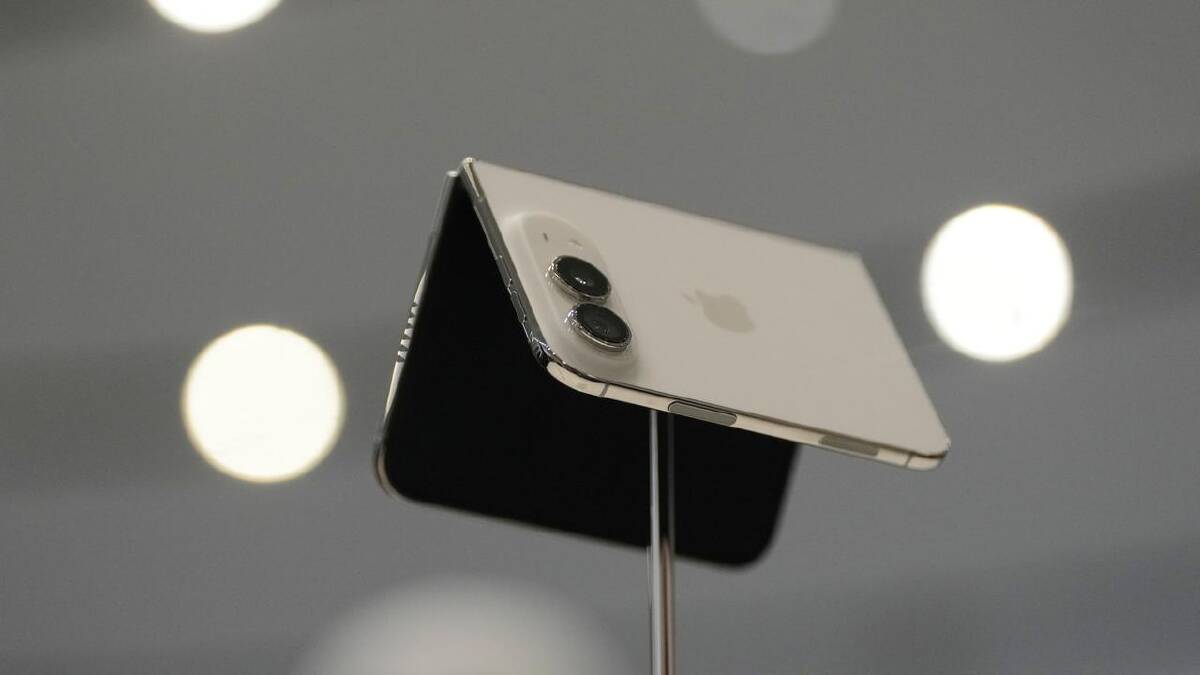
All impressive technology.
But perhaps somebody at Cupertino could invent another revolutionary accessibility feature.
Left Hand Mode.
They could even give it an Apple-style name.
Left Intelligence.
Or perhaps SouthpawOS.
Apple could unveil it at its next keynote to thunderous applause before explaining that, after years of research, its engineers have discovered that some humans use the other hand.
There is another reason Apple may not be losing sleep over us just yet.
Foldables remain a niche part of the smartphone market, accounting for less than 2% of global mobile sales, according to IDC data.
The iPhone Duo won’t arrive at JB Hi-Fi until October 23, with pre-orders starting October 16, and Apple has yet to announce a dedicated left-handed mode.
So Australia’s southpaws will have to wait until next month to find out whether Apple’s first foldable really is a phone for everybody.
Until then, I have one consolation.