Apple Taking A Gap Year As WWDC Kicks Off Without Anything Really Big
 David Richards
10 Jun 2025
David Richards
10 Jun 2025

Apple’s 2025 Worldwide Developers Conference has kicked off, sparking mixed reactions. Some have labelled it mediocre and underwhelming, while others argue that Apple is essentially taking a gap year—just as rivals like Samsung and Huawei surge ahead with new processor and AI advancements.
Key Announcements
Apple is introducing a visionOS-inspired design language across its devices, alongside a new naming convention for its operating systems. Instead of sequential numbers, Apple is aligning OS names with their release year—hence iOS 26, watchOS 26, macOS 26, and more.
iPhone Updates
The iPhone is receiving modest software upgrades for the Phone and Camera apps, emphasizing simplicity. However, Apple’s AI features remain basic, with the company struggling to push innovation forward.
iPad Enhancements
With iPad sales declining, Apple is revamping multitasking, making it more Mac-like. The update introduces resizable app windows, a precise mouse pointer, and a new menu bar for improved productivity.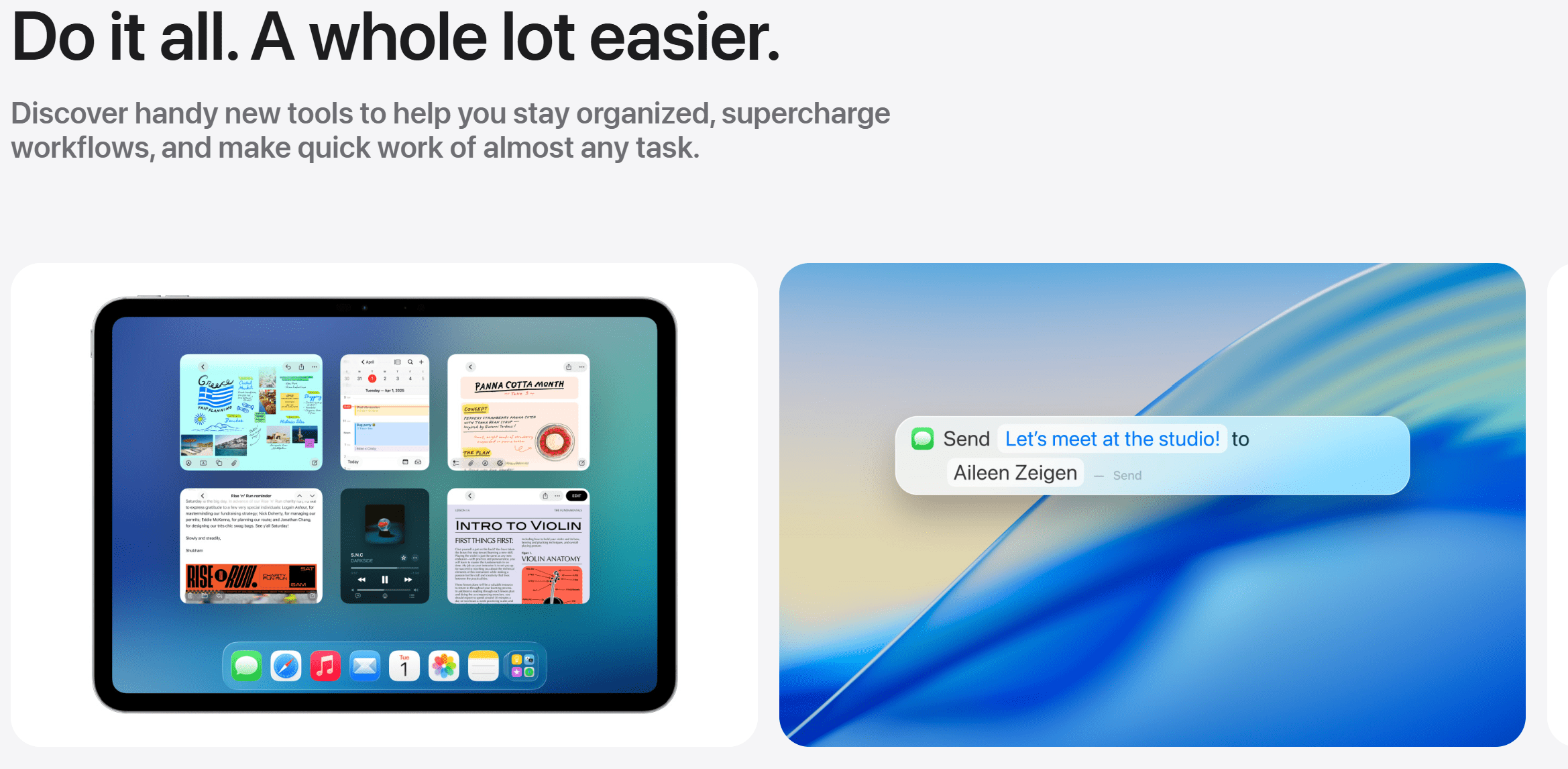
Vision Pro Shifts Focus
Apple Vision Pro is pivoting toward enterprise use, following lacklustre consumer adoption. New additions include support for PlayStation VR controllers and a Logitech wand-like accessory.
Other Notable Features
– System-wide Translate integration and new Shortcuts tools.
– Liquid Glass design updates across iOS, macOS, and iPadOS.
– Safari, Camera, and Phone app redesigns for a more streamlined experience.
– New Games app for Apple Arcade and game discovery.
– Live Translation for calls and messages via AI-powered speech recognition.
– AirPods camera controls—users can snap photos by tapping the stem.
– Apple Intelligence opens to developers, allowing third-party AI integration.
Apple showcased these updates with a design refresh across its ecosystem, but many feel the company is playing it safe rather than making bold leaps in innovation.
CEO Tim Cook says the company seeks to ‘harness the power of Apple Intelligence’, despite the Company struggling in the development of their offering.
Apple appear to be punting on a significant AI-driven upgrade to its software, initially revealed at last year’s event.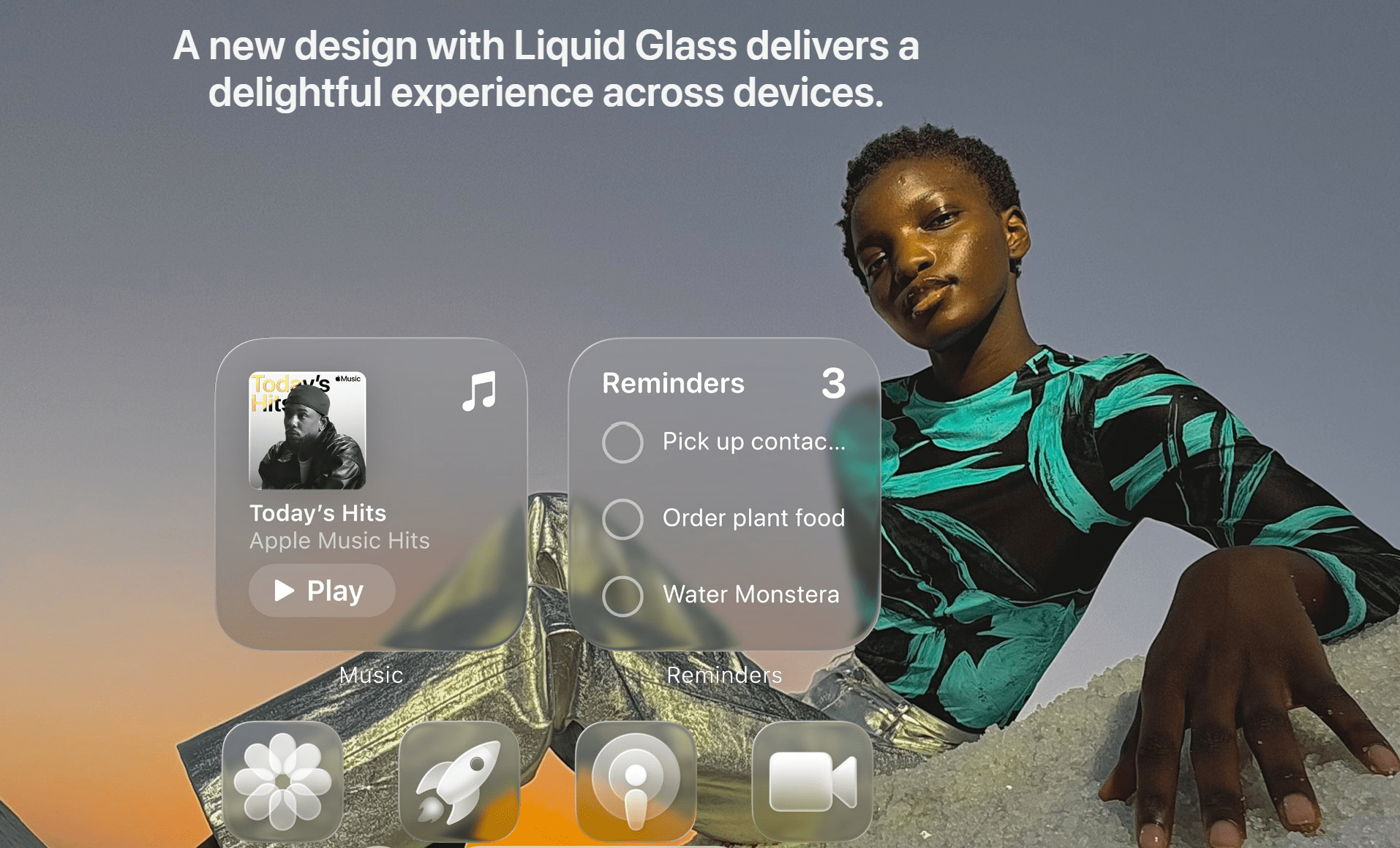
Starting June 9, developers will be able to test the new AI-powered features, with a broader consumer rollout set for autumn. However, these enhancements will only be available on the latest iPhone models.
Craig Federighi, Apple’s software chief, highlighted the impact of opening Apple’s AI models to third-party developers, stating that it would “ignite a whole new wave of intelligent experiences in the apps users rely on every day.” Apple’s AI models run locally on its devices, eliminating the need for cloud access—something the company sees as a strong privacy and security advantage.
Federighi illustrated this with examples, such as a puzzle app crafting a personalized quiz using a user’s notes, or a hiking app selecting a trail based on preferences—even when offline.
Initially, access to Apple’s AI models will be limited to smaller models optimized for local tasks like text summarization.
Industry analysts have long speculated about Apple’s strategy for integrating and monetizing AI within its App Store, which generated over $30 billion in revenue in 2024, according to Bank of America estimates. One possibility involves offering premium AI features within apps, allowing Apple to take a share of the revenue, much like its current approach to digital purchases through the App Store.